Episode 37: The Path Between Worlds – S1

March 04, 2020

AutisticNotWeird & Gragg

700

Abstract

As the cylinder rolls towards a new and even bleaker future, the remaining civilisations battle it out for the final scraps as the world burns around them.

Viewing: Vertical
Prepare yourselves.
1 / 96
CBR In-Game Screenshot of Prepare yourselves.

1: Prepare yourselves.

Welcome to the final pre-Endgame part for CBRX season one! I’m Chris, known on the sub as /u/AutisticNotWeird - and woah, this part has been a challenge to narrate. While I have the opportunity during this one non-fiction slide, let me explain what you’re in for. (Those who saw my post last week, skip forward.)


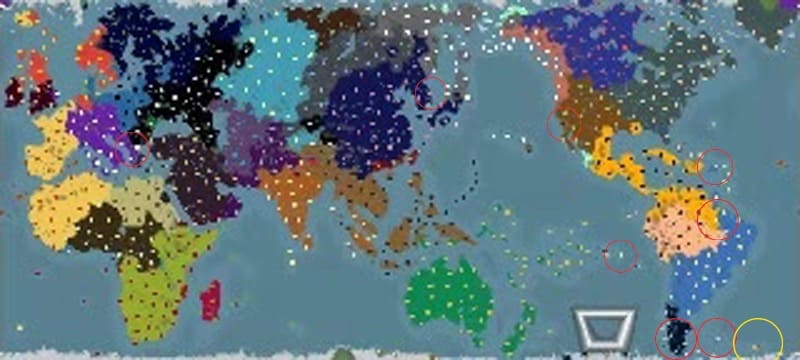
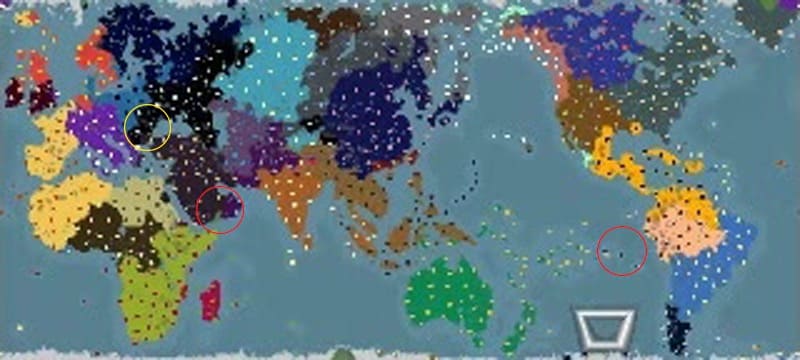
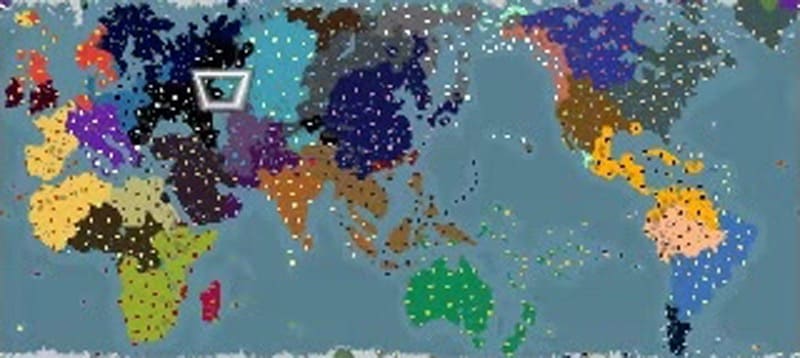
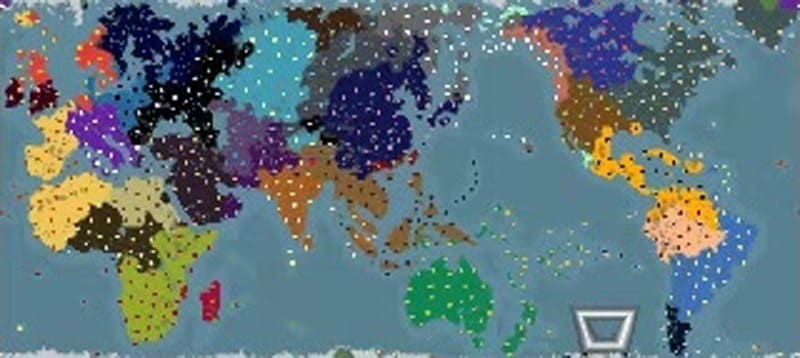
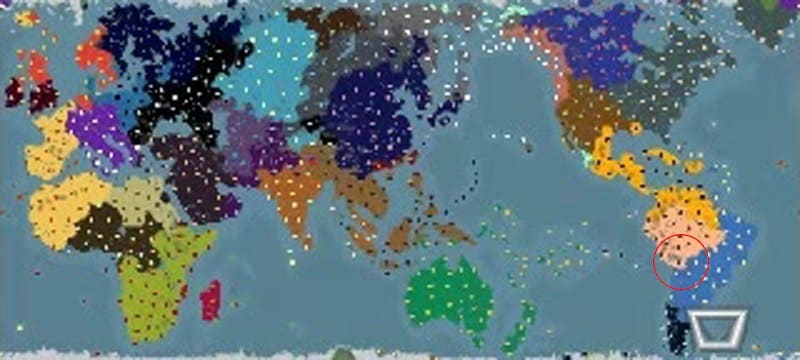
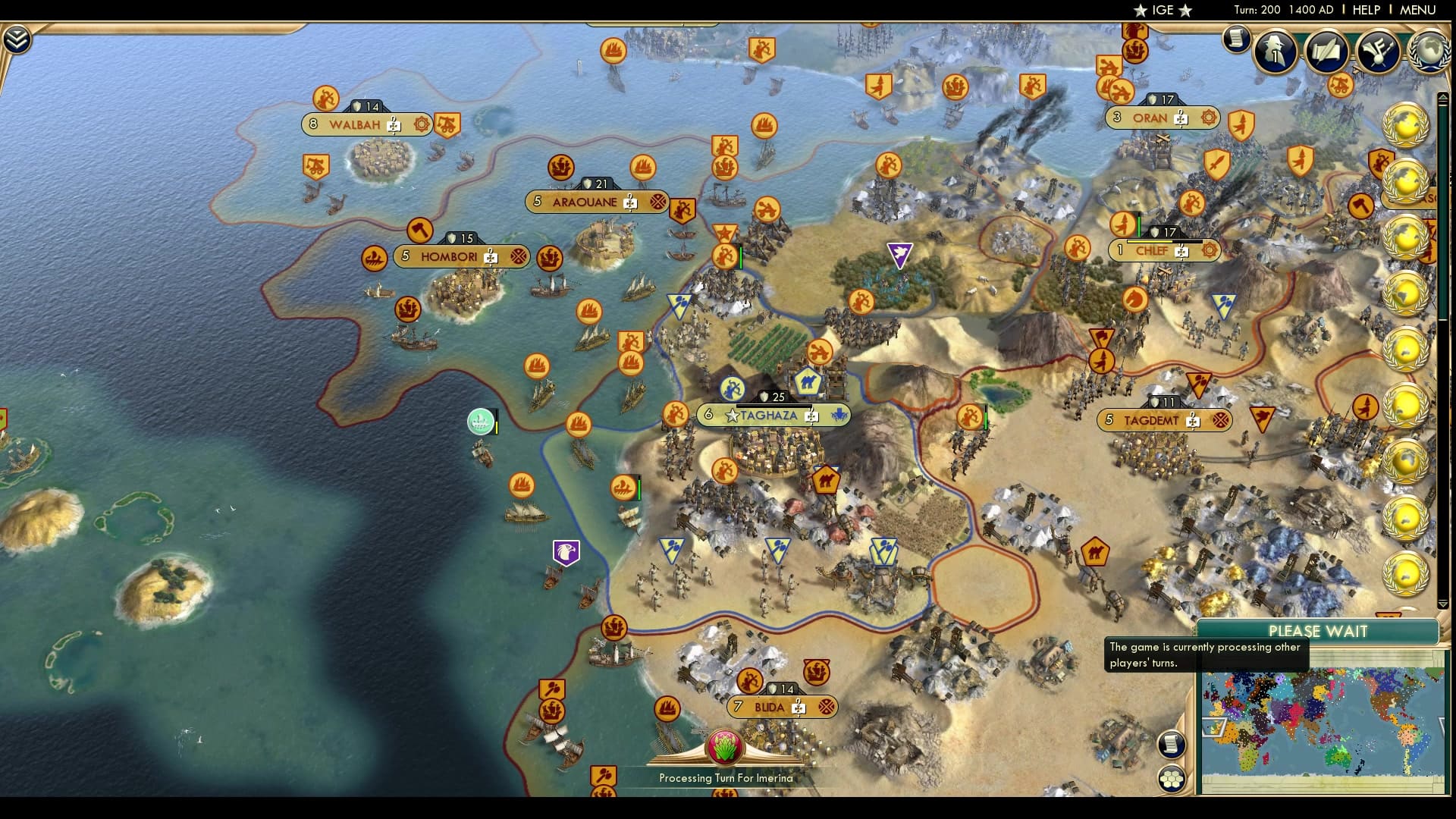
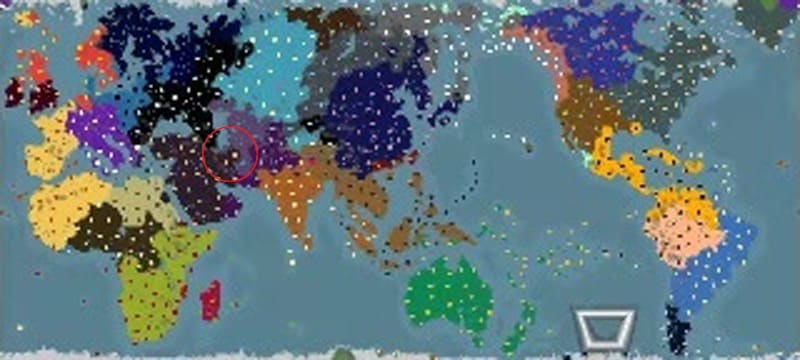
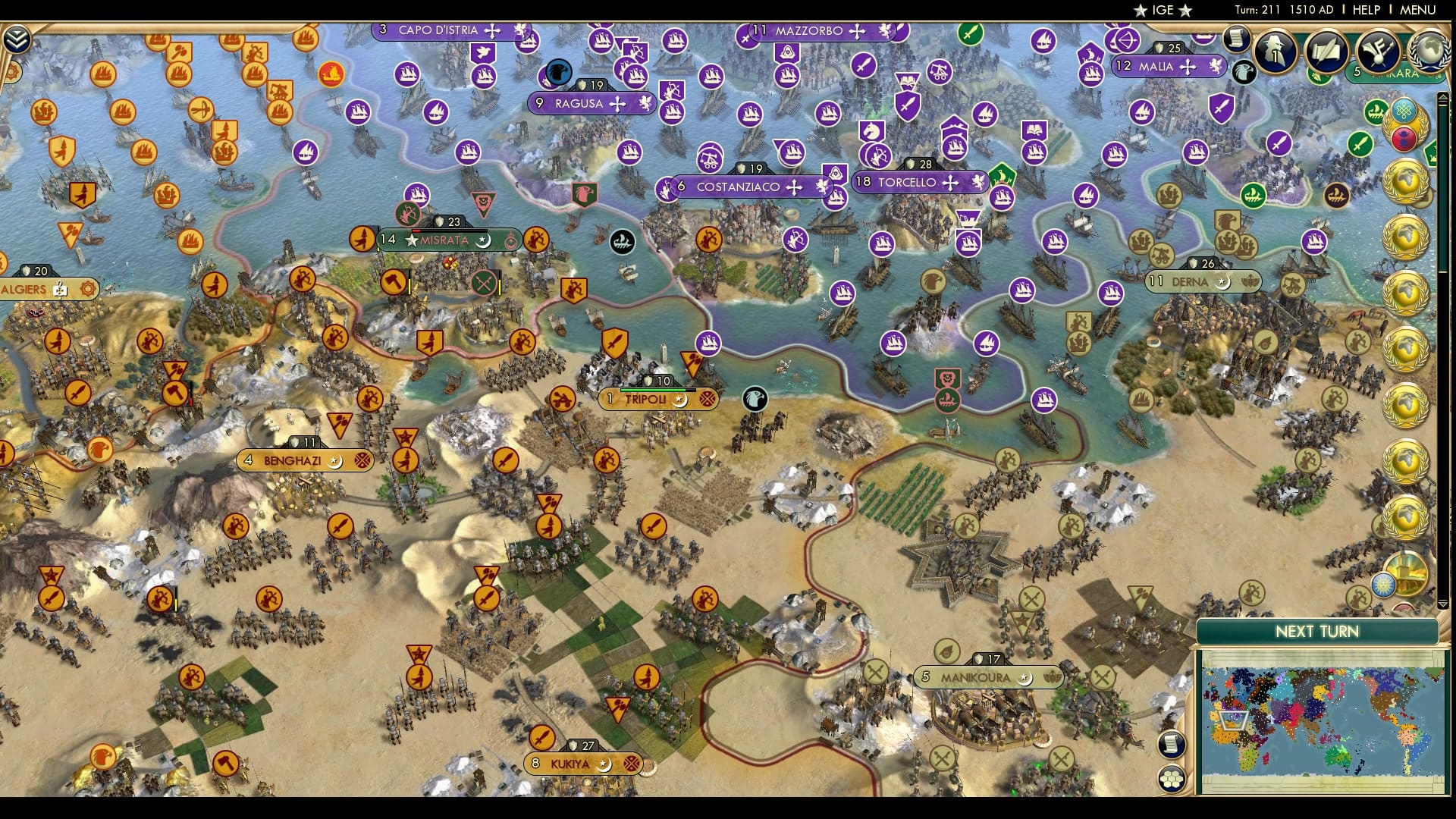
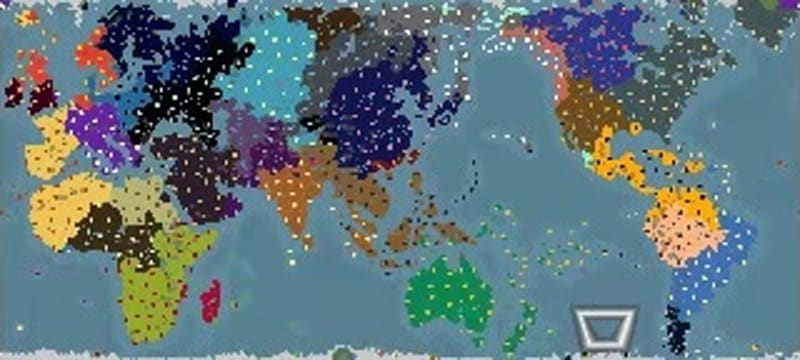
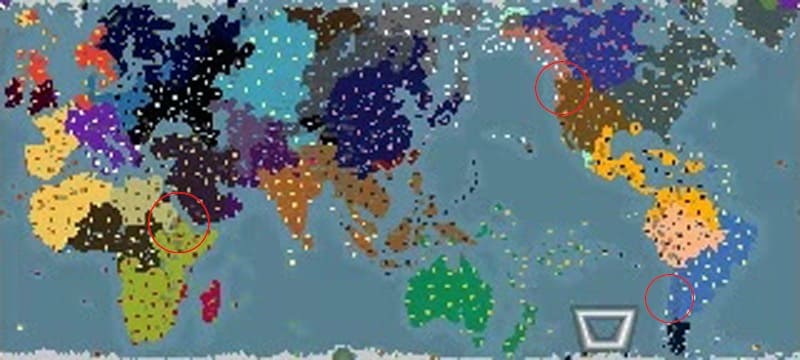
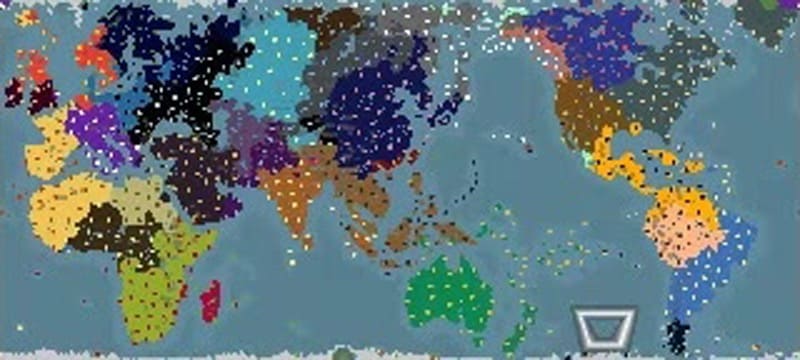
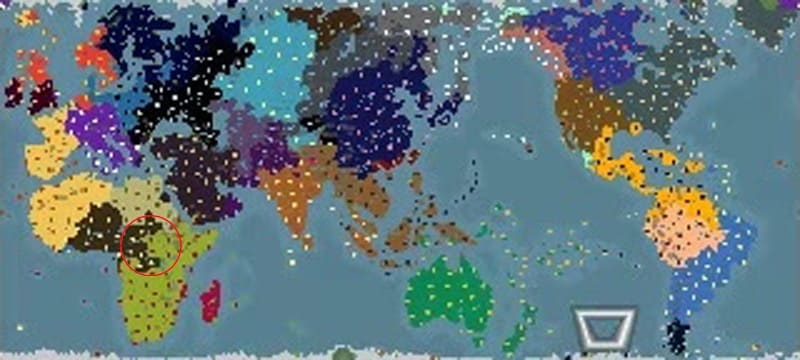
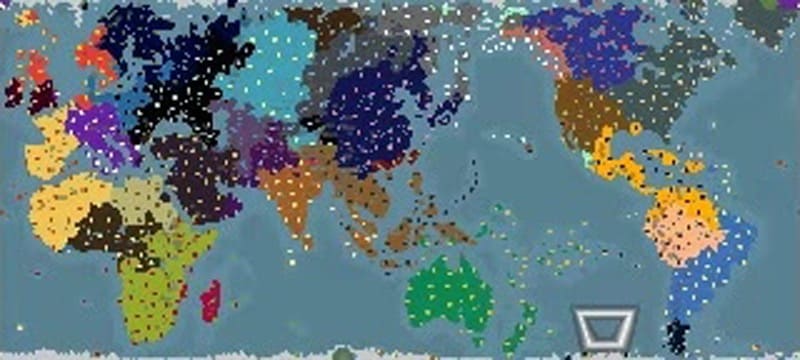
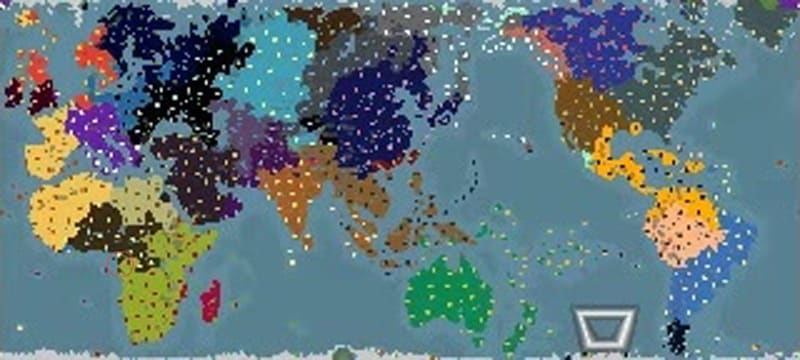
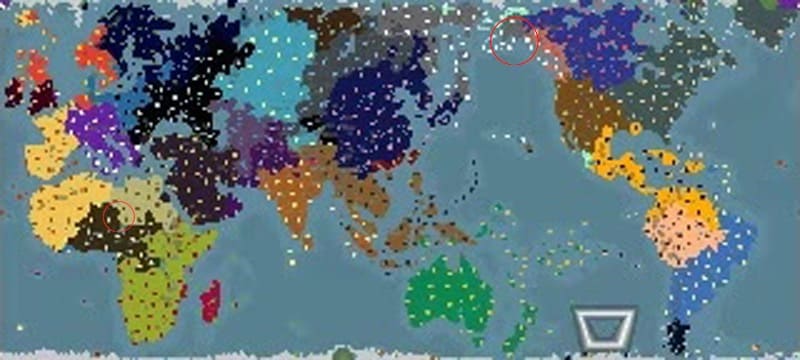
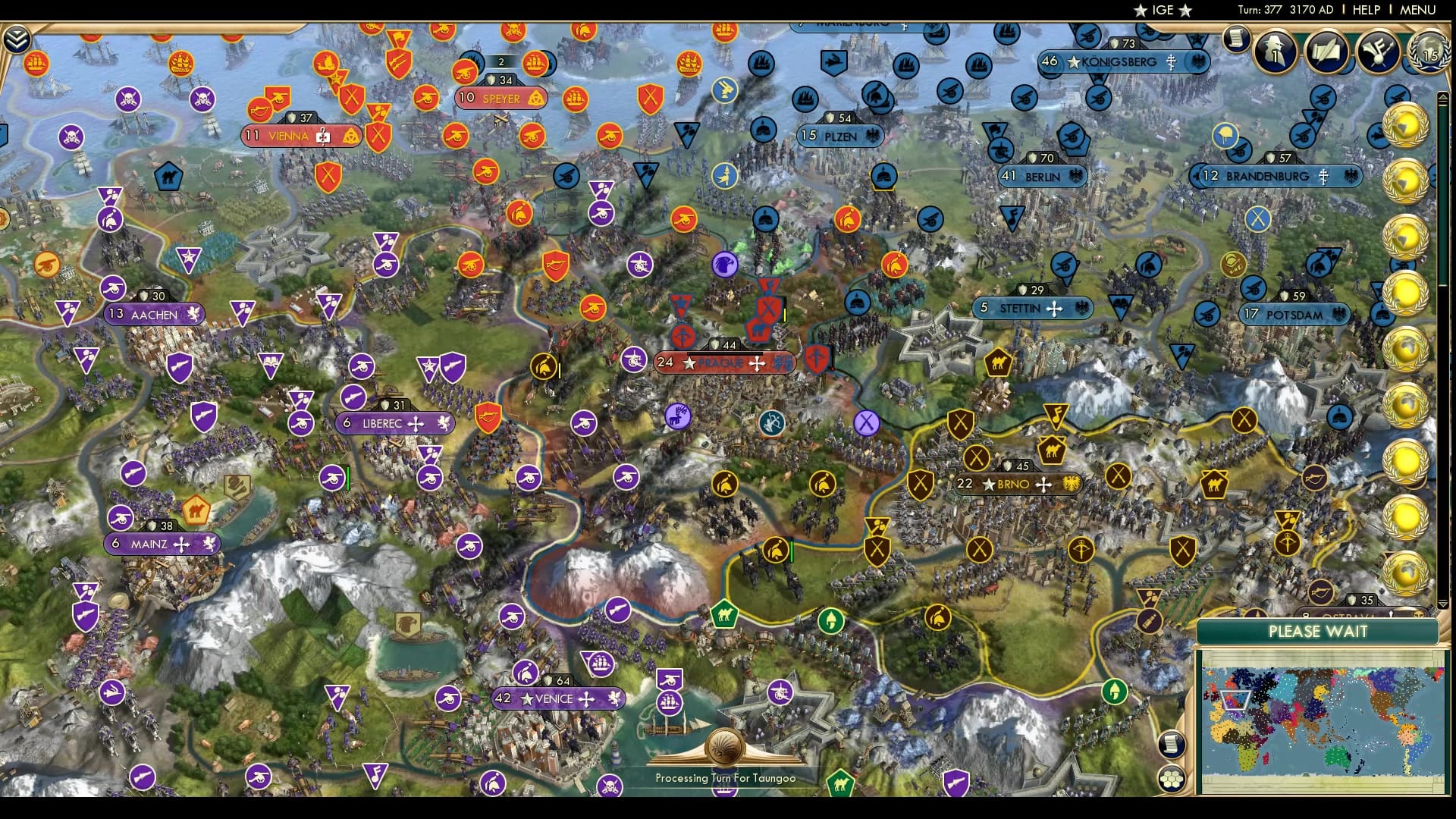
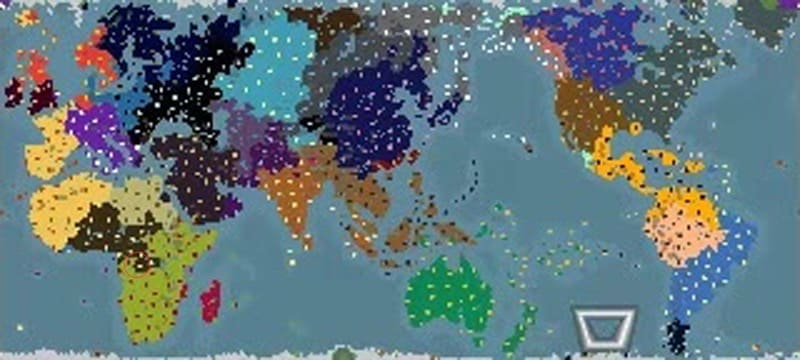
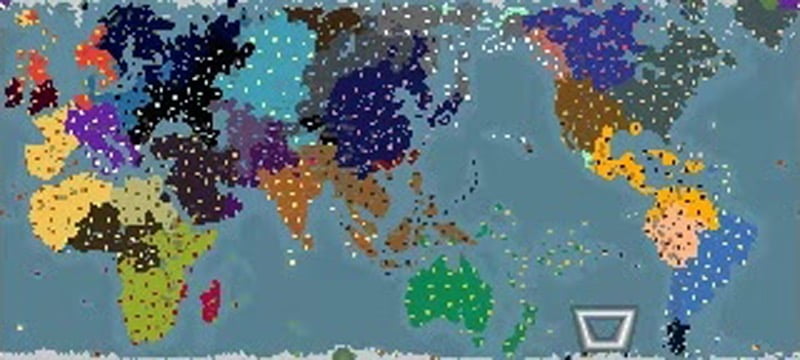
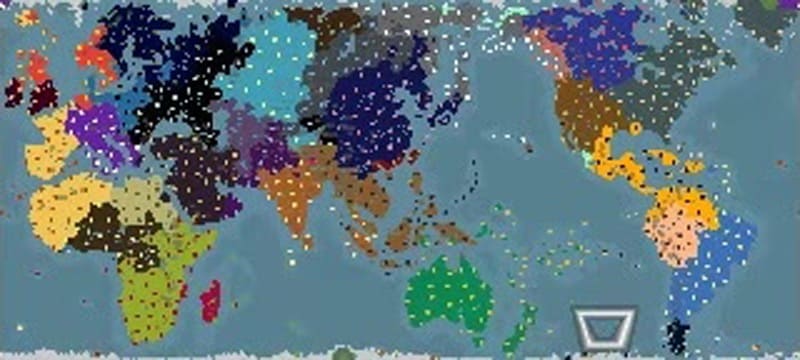
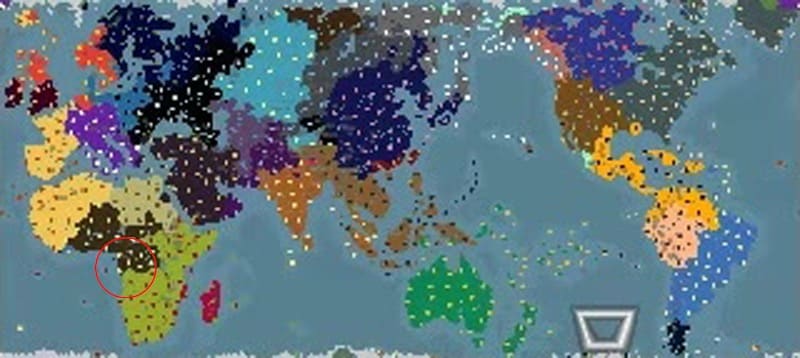
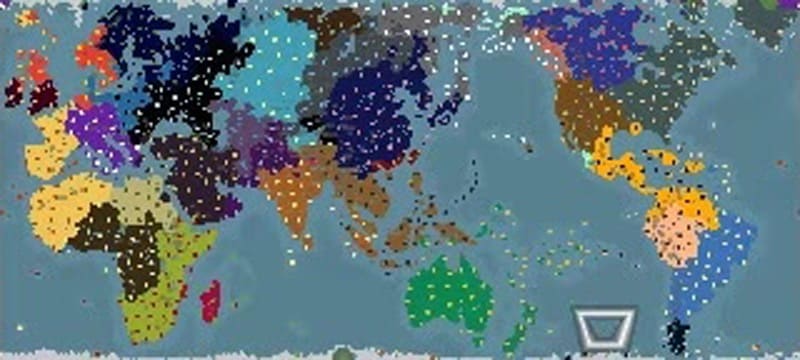
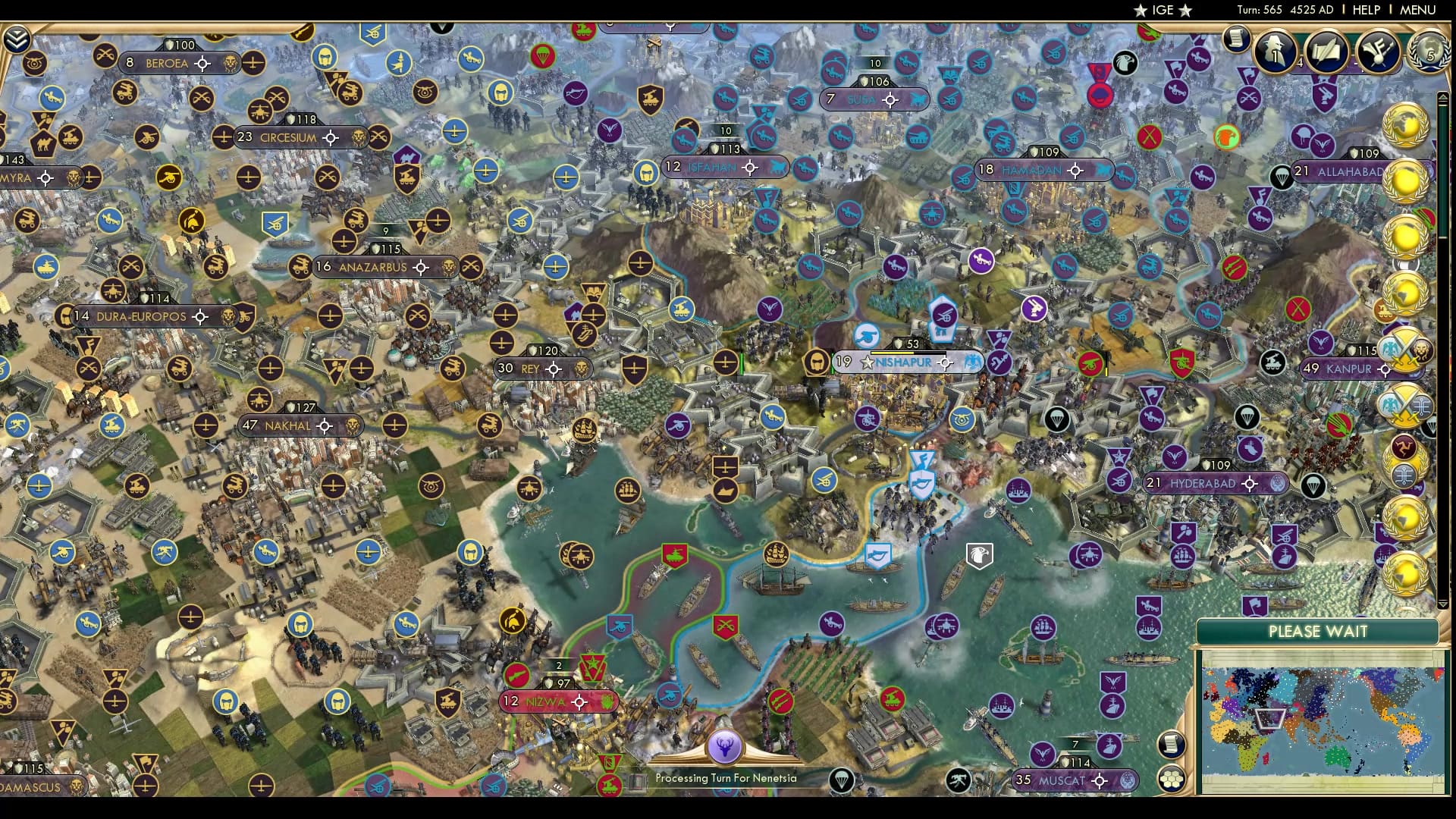
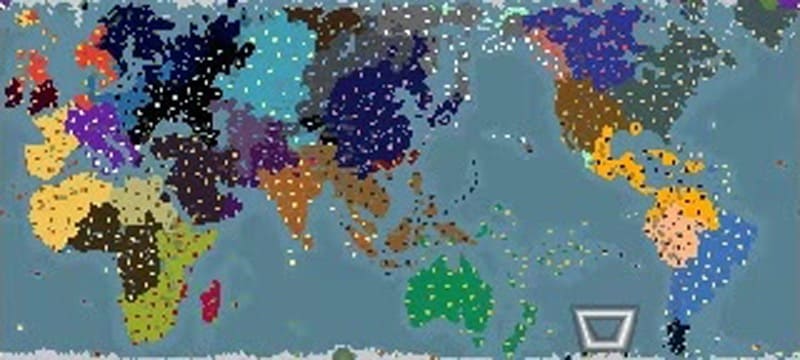
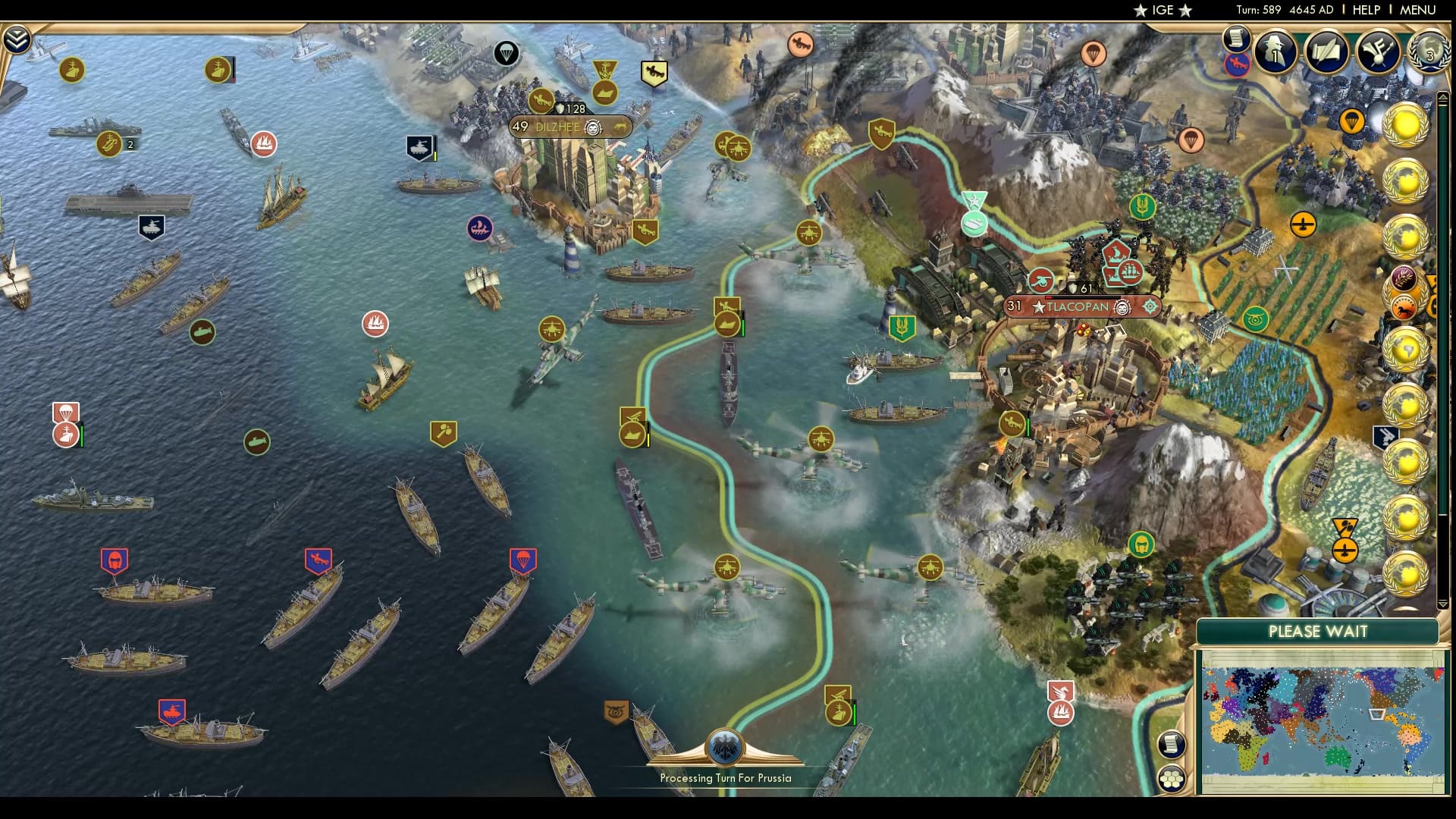
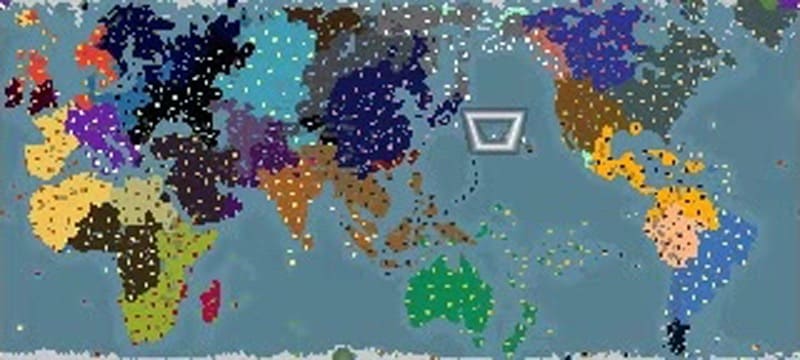
Two weeks ago, /u/Coiot posted on the sub explaining how getting images after turn 700 – or enough images to fill whole parts as we’re accustomed to – has been impossible. He has, however, managed to salvage some maps. So that’s what we have, between turns 700 and 900. After that, nothing was salvageable until the game’s final turn. (So essentially, this part will have maps every five turns from 700-900, and one map for 1024.)


But – rather than this whole part being nothing but pixelated maps, I’ve tried to do something different and more engaging (and hopefully, something that does justice to this tournament so far): introducing lore, narrative, OC and lookback, during these final days of the battle as we know it. And once in a while, /u/Gragg9 will be jumping in with interesting bits of statistical analysis. (While I’m at it, special thanks to /u/LacsiraxAriscal and /u/wthrudoin for their lore map, which was priceless for finding city names in a part filled only with maps!)


And now, going into fiction mode to cover this tournament’s past, its present and its future. Let me tell you a story that shaped a world.
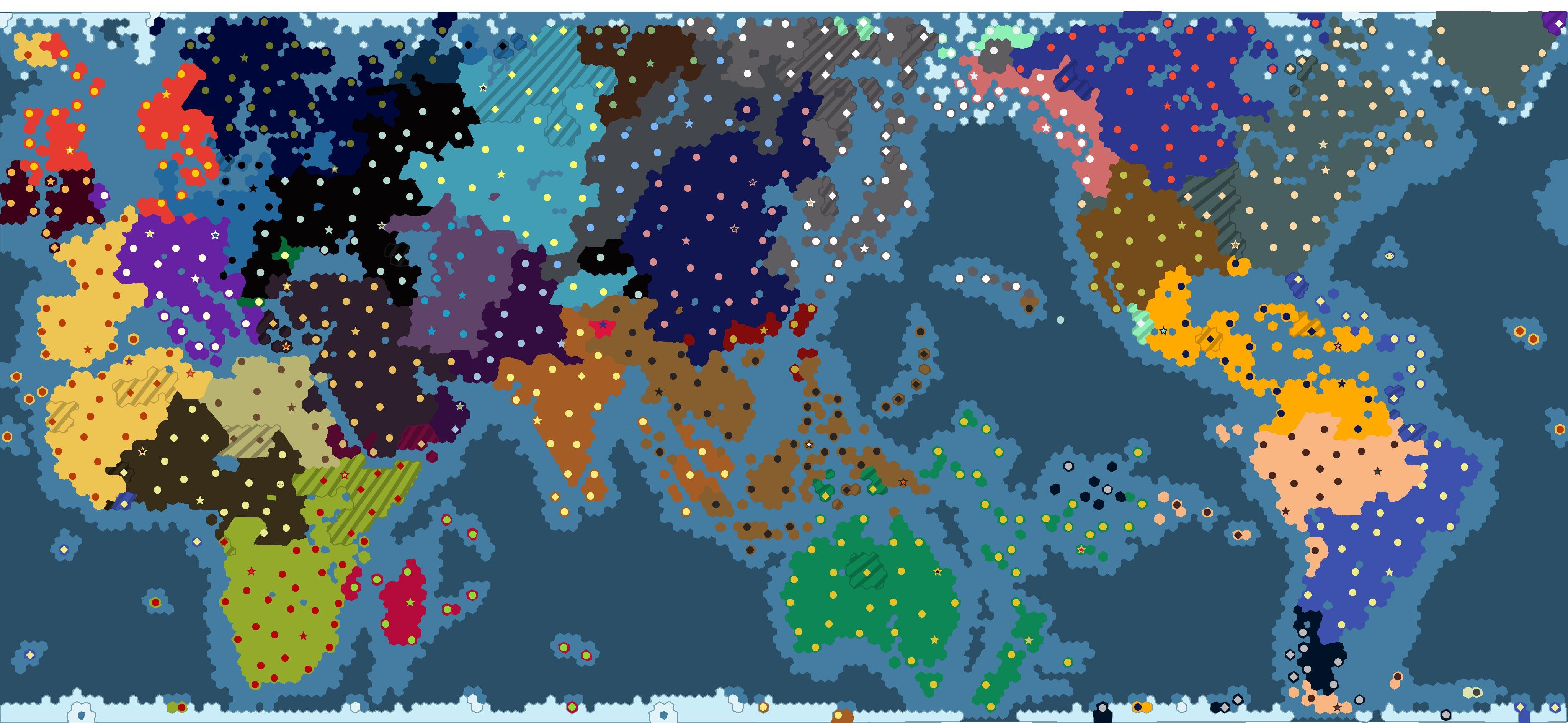
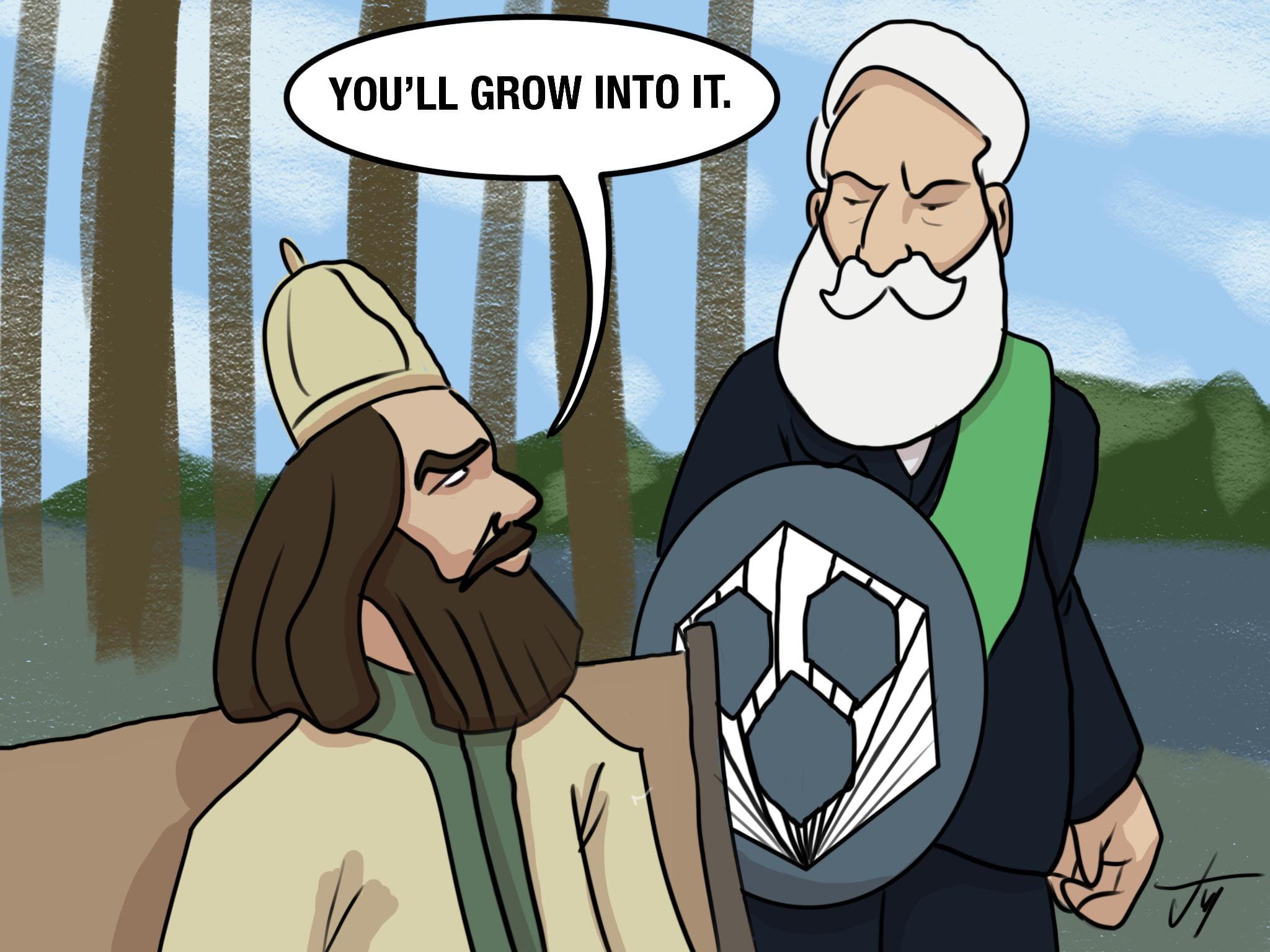
CBR In-Game Screenshot of The Painted Map

2: The Painted Map

The painting looked beautiful on the wall of Pedro’s office. They always did.

He steadied it so it hung perfectly straight, and took a step back. Private Vihreaa had gifted him these world maps since time immemorial, and they were always a joy to receive. They gave life and culture to the events on his pixelated screen.

Thousands of years on a submarine in the Atlantic, and Pedro never tired of watching his world. It was duty, in its purest form.
CBR In-Game Screenshot of Inheritance

3: Inheritance

The thought of thousands of years had never felt imposing to Pedro. He had already lived through enough millennia.

His experience of subduing and ruling his first cylinder had proven him to be the perfect successor to the great Nebuchadnezzar. He had demonstrated all the qualities of the ideal observer: patience, resilience, and the willingness to take extreme action when necessary. The passing of the torch had been the most defining day of his life, caught on camera by a photographer known only by his professional name, “Jru247”.

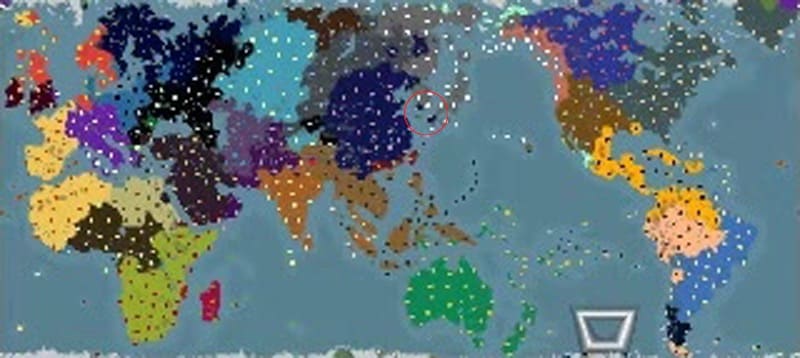
CBR In-Game Screenshot of Turn 705

4: Turn 705

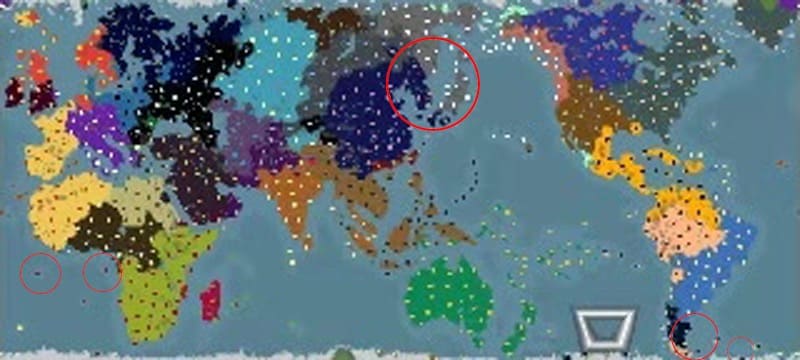
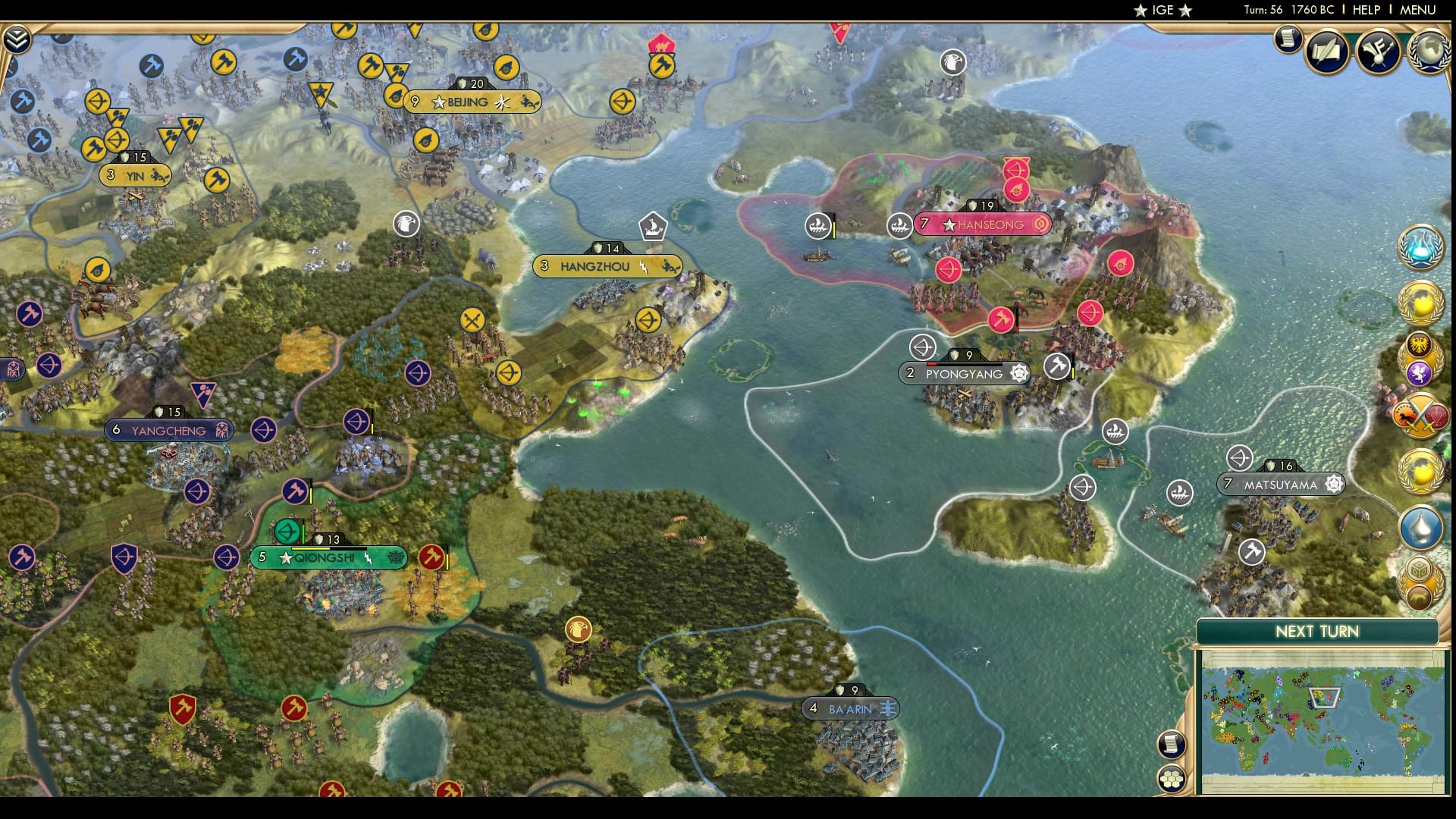
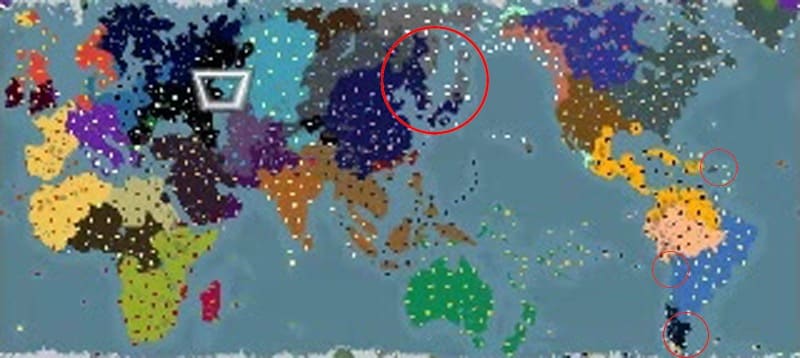
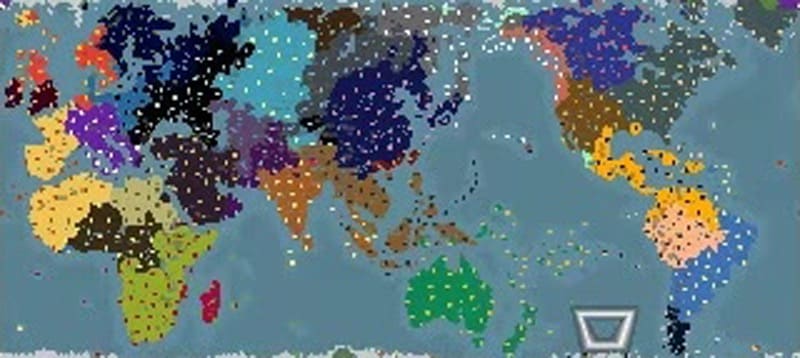
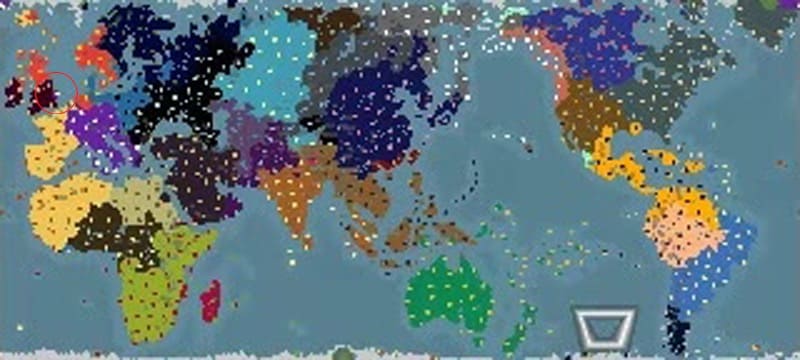
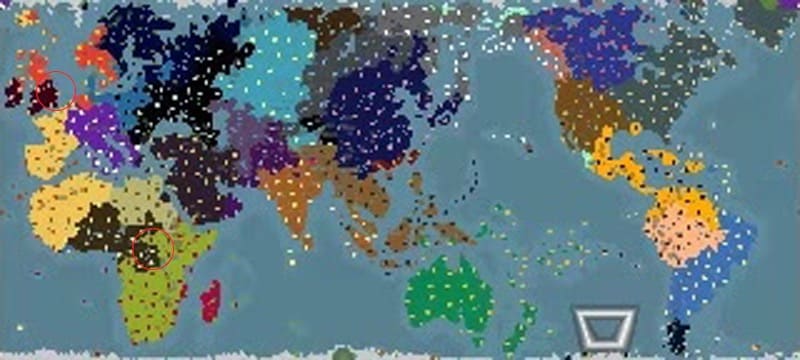
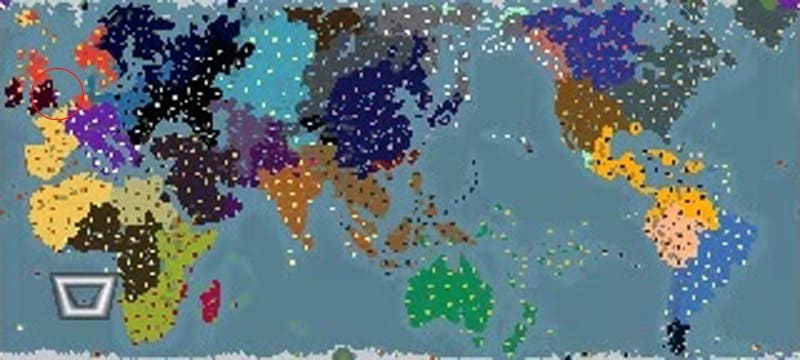
That was the problem with painted maps. They quickly became outdated. Within five years of it hanging on his wall, the Qin had made landfall onto mainland Shikoku territory. The formerly Korean peninsula did not look likely to hold either: a huge twist in fate for a civilisation that had previously surprised everyone with its competence.


Gragg’s note: One Shikoan City has been removed from existence. Likely from excessive nuking. And not to stack bad news on top of bad news, but the last remnants of the Aztec army died on turn 701. They made it to the last episode though!

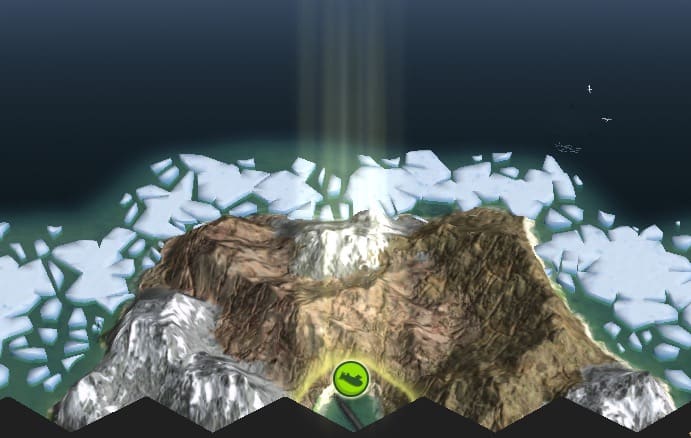
CBR In-Game Screenshot of Safety and vulnerability

5: Safety and vulnerability

Another five years passed, and Pedro rose from his seat to take a walk along his submarine. Whenever he did, he was struck with equal feelings of safety and vulnerability.

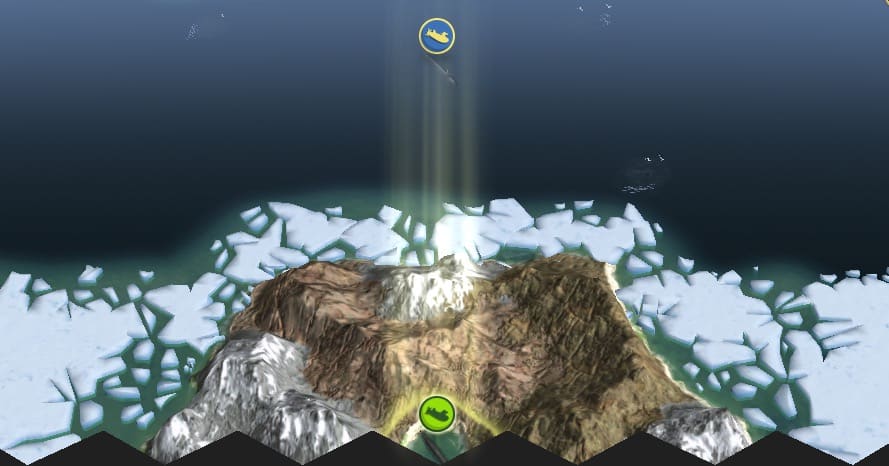
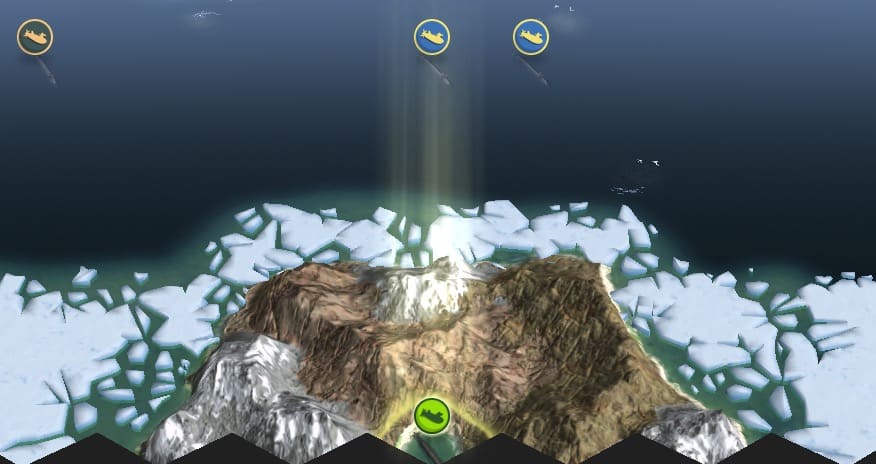
Safety, because he and his crew were deep underwater, and sheltered behind enormous Antarctic mountains – which themselves were guarded by vast ice shelfs.

Vulnerability, because their submarine was the one unit holding the cylinder together. Pedro did not know all the details, or any of the science behind “nuclear tectonic bonding”, but if his submarine were ever to vanish, the cylinder’s turns would end – and all life would perish.

CBR In-Game Screenshot of Turn 710

6: Turn 710

As predicted, Korea continued to fall. In the east, New Zealand were kicked out of their own ocean.

Pedro let out a sigh. Even vast oceans of water could be devastating theatres of war these days.

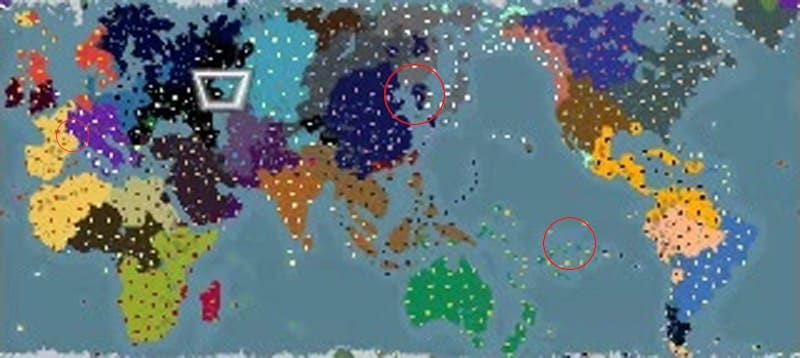
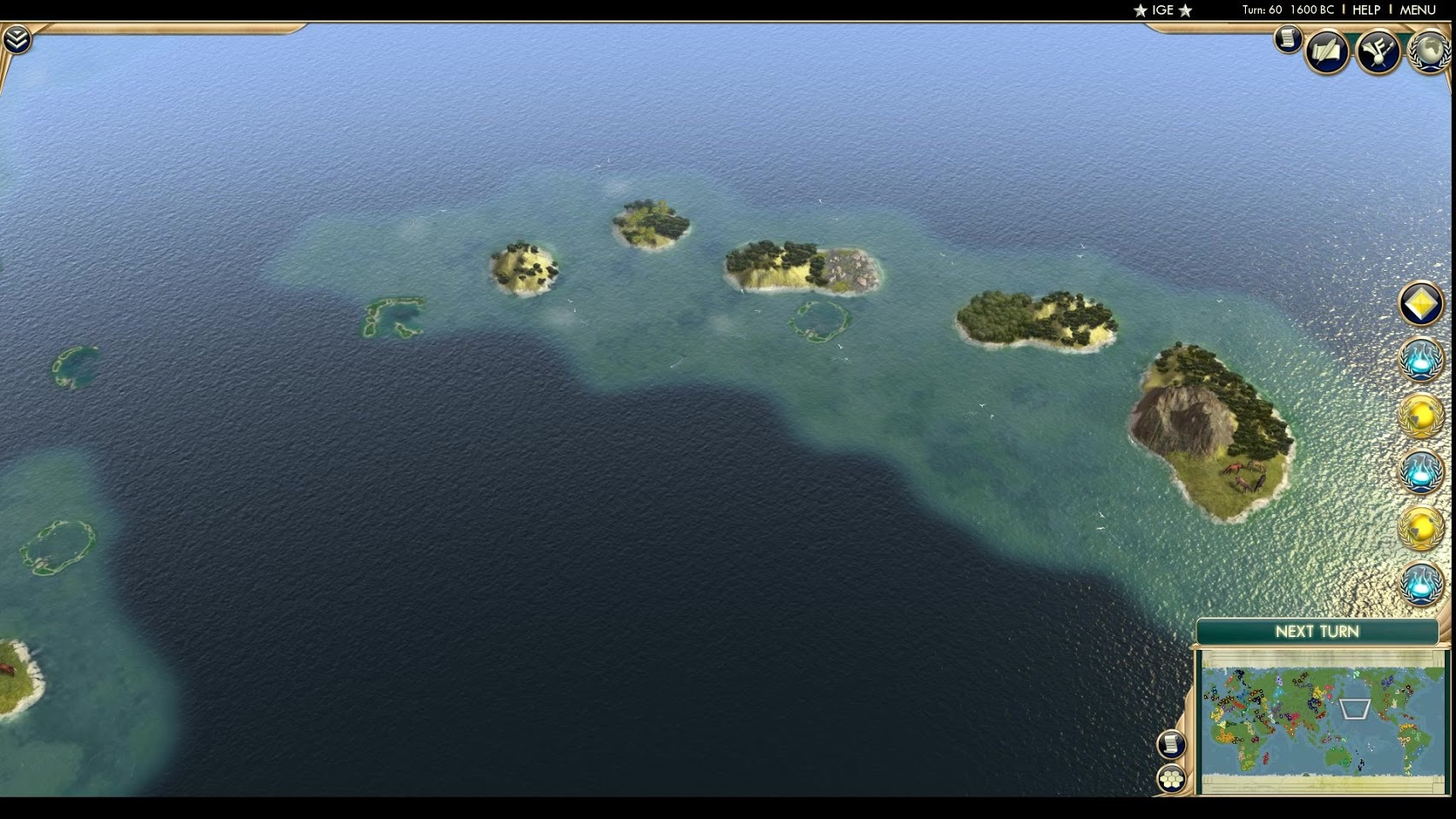
CBR In-Game Screenshot of The Hawaii Battle Royale

7: The Hawaii Battle Royale

Some days, Pedro wished the whole world had stayed small, that the oceans had remained untouched and that the fighting was still done with wooden arrows instead of photon lasers. He thought back to the millennia where no human had set foot on the Hawaiian islands. A historian called Mr Klonam had once written a detailed tome of those days, before the colonisation of them had sparked the end of the cylinder’s paradise era.


Gragg’s note: The Cylinder has grown so populated that it is impossible for the sub’s complex software to carry out an accurate census. Many civs have reached the magical number of 2.1 billion+ citizens. Currently the cylinder population is around 40 BILLION people. (Earth has ~7 billion)

CBR In-Game Screenshot of Turn 715

8: Turn 715

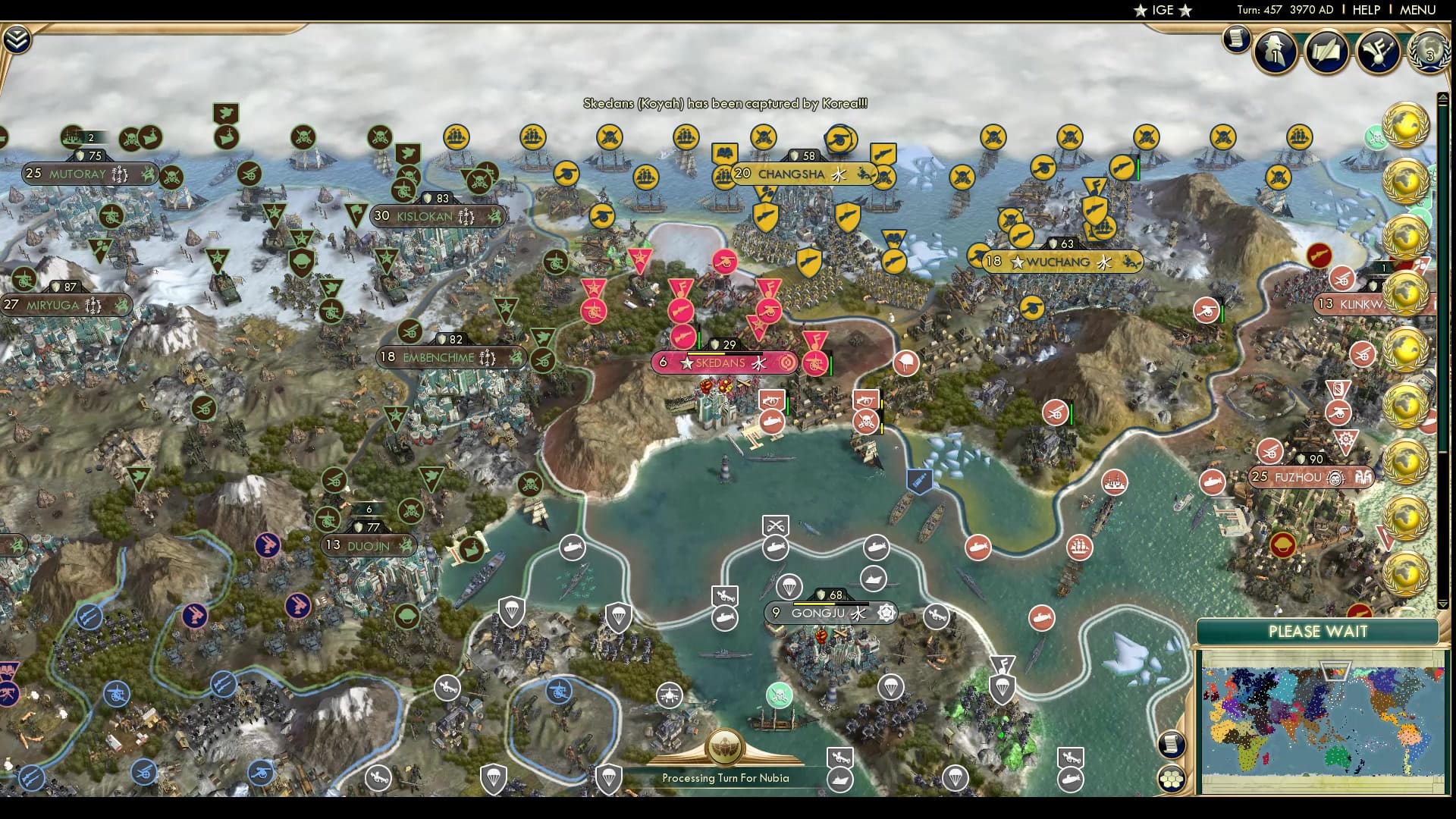
As Pedro dreamed about bows and arrows, the Korean peninsula fell to laser robots. The final city of Hwangju on the coast held the last of the dying Shikoku soldiers. Meanwhile, Zimbabwe stole two Uruguayan colonies, and New Zealand did their best to stay relevant by irritating the Nazca.

Pedro had always admired that about Seddon: whether his empire had been weak or strong, he had consistently fought with the ambitious aggression of a superpower.

CBR In-Game Screenshot of The Xia

9: The Xia

It reminded him of how the Xia had once been. The only difference was that Seddon had succeeded and Yu had died.

When Pedro thought about it, the Xia were a fine representation of what winners needed to be. Fearing no enemy, being far too ambitious, and taking risks that would end in either glory or death – either being better than existence as a turtled state. The Xia had held the right attitude to conquer the whole world – and had they not been snuffed out so early, perhaps in an alternate world they could have done so.

CBR In-Game Screenshot of Turn 720

10: Turn 720

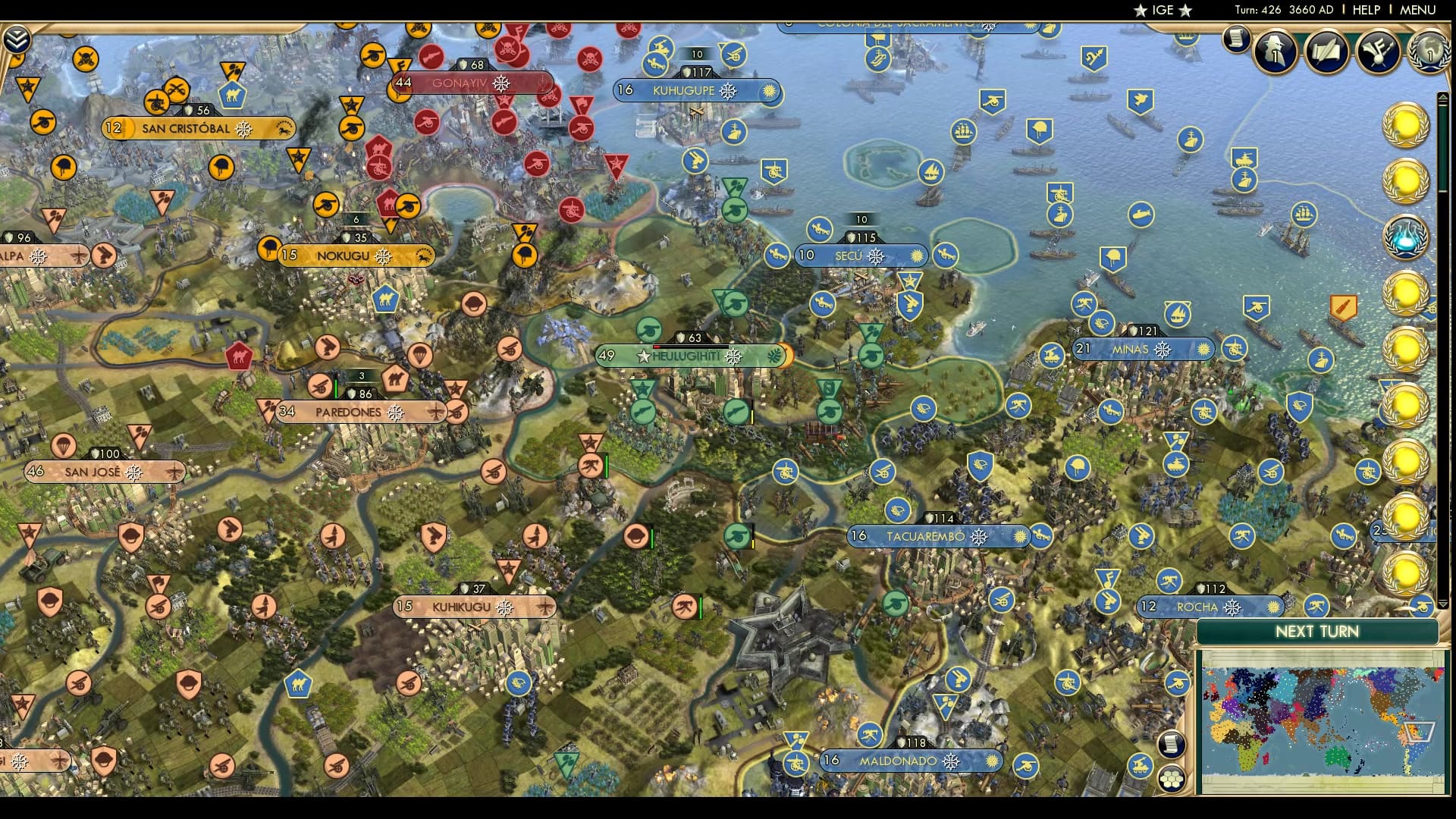
The Qin – largely held responsible for the Xia’s downfall even though Canton had finished them off – continued to show why they had earned the dead civ’s lands. They lay waste to the Shikoku capital of Kochi, an impossible feat a mere hundred years earlier, and spread north in an attempt to cut their remaining empire in two. Uruguay, fresh from losing the Haitian capital of Pòtoprens to the Iroquois, took the city of Ocongalla from the Nazca, having long separated it from the rest of its empire.

CBR In-Game Screenshot of Settling inside comfort zones

11: Settling inside comfort zones

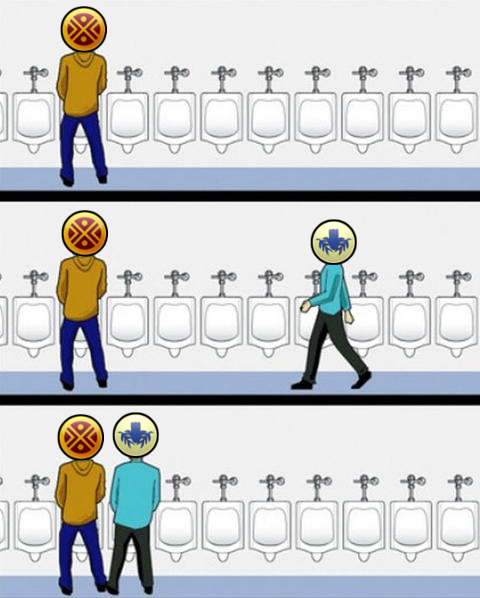
The strategy of splitting up empires was not a new one, although it had rarely been done well. Back in the days when Algeria had been settling cities exclusively to annoy their neighbours, Pedro had gone to bed and dreamed up this perfect analogy for what the Algerians were doing. Well, in his dream it had been explained to him by an Albino Riding a Dino, but either way it had made him laugh.

CBR In-Game Screenshot of Turn 725

12: Turn 725

The next time Pedro awoke from a dream, the world had changed. Not because of Uruguay’s haul of three cities (including Pòtoprens), not because of the banishment of the Nazca from New Zealand’s lands, and not even because of the final fall of the Korean peninsula. Not even because Venice, after enough time to try any immortal’s patience, had finally broken through the Balkan mountains and taken Bursa from the Ottomans!

But because the much-loved Selk’nam, whom Pedro had enjoyed watching for thousands upon thousands of years, had been snuffed out by the Nazca navy.

CBR In-Game Screenshot of The Selk’nam (photo credit: DustyGrrl)

13: The Selk’nam (photo credit: DustyGrrl)

The Selk’nam had never been a contender for the entire cylinder thanks to the sheer power of Uruguay (and in Pedro’s experience, civs based in Uruguay’s part of the world tended to do well), but they had been entertaining to watch. High ambitions, occasional competence, and a damned scary-ass culture. Pedro, hoping that the last Selk’nam had safely come to rest in the loving arms of Cthulhu, reached for his keyboard and searched his database for the folder of “Funeral arrangements for former immortals”, which he found immediately by pressing F.

CBR In-Game Screenshot of Turn 730

14: Turn 730

Even with eternity on his side, Pedro often found himself too busy. With the death of Xo’on Uhan-Té barely dealt with, he found himself witnessing the burning of the Beta Israeli city of Salalah, the Nazca pushing further into the Pacific, and the death of another immortal.

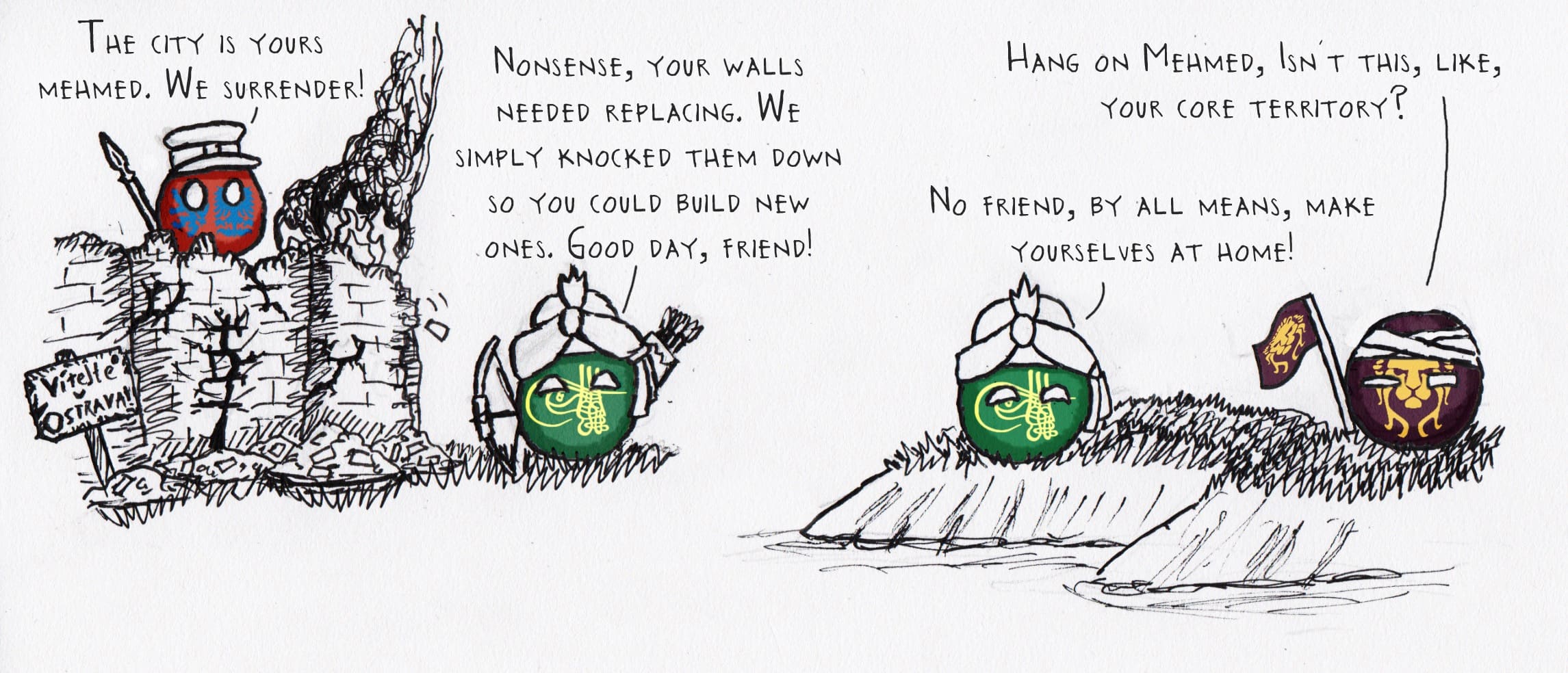
Edirne had fallen. Mehmed, and his Ottoman Empire, had been put out of their misery by Alaric and the Goths.

CBR In-Game Screenshot of The Ottomans (photo credit: FrodosPurse)

15: The Ottomans (photo credit: FrodosPurse)

The Ottomans, to their credit, had survived longer than they had earned any right to. Their whole civilisation had become a living museum: a people who had fought well and even killed Minos in their early days, and spent the rest of their years just surviving so those old stories could be passed down. And it had worked: but the question in Pedro’s mind was whether those stories would continue now their living museum was destroyed.

Pedro sat upright from his wondering, and pressed the F key again.

CBR In-Game Screenshot of Turn 735

16: Turn 735

After the death of the Ottomans, the cylinder experienced five years of consistent borders. The building of a brand new city by Palmyra was literally the lead story for the cartographers of that period, giving the impression that the world was at peace. How wrong they were.

CBR In-Game Screenshot of Club Loser

17: Club Loser

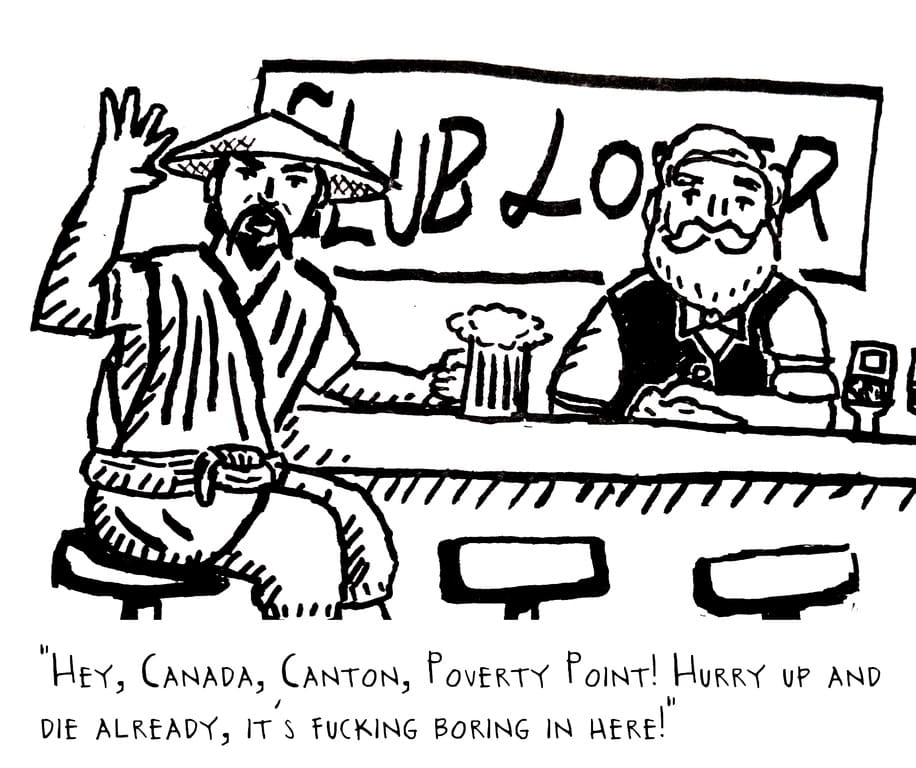
The deception of peace had been around since the beginning. The death of the Xia had been the last extinction for a long, long time, and had led to the crew seeing the cylinder as boring, although nothing could have been further from the truth. Thousands were dying back then, just like millions were dying now, but no nation was going extinct. “Club Loser”, the comic strip in the submarine newspaper’s cartoon page, had contained images of just Yu, sat alone on A Redundant Sofa.

CBR In-Game Screenshot of Turn 740

18: Turn 740

Five years of bombings and death followed, and the net result was little beyond coffin sellers getting rich. Palmyra expanded on their own subcontinent, and a Manx general called Kirk Michael had taken back their rightful homeland.

Or was the city called Kirk Michael? Or was it named after a Kirk Michael who had founded it and/or conquered it? Pedro had forgotten. Those crazy Manx.

CBR In-Game Screenshot of Silly little wars

19: Silly little wars

European warfare had always been a little bizarre. With the memories of Mehmed still on Pedro’s mind, he remembered the Ottomans’ rather bizarre style of warfare, and how it had ultimately led Mehmed to his own spot on Club Loser’s No-Longer-Redundant Sofa. As effective as the surviving European civilisations had been, Pedro did not see the continent hosting any ultimate winners.

CBR In-Game Screenshot of Turn 745

20: Turn 745

Five years of “nothing” followed. The deaths continued, but the borders stayed the same. Hundreds of thousands of soldiers were fighting and dying in a race to stand still. That was what war looked like at the end of the technology tree: a long, drawn out, ferociously advanced stalemate. (With the infamous peacekeepers both helping and hindering, depending on each leader’s perspective.)

CBR In-Game Screenshot of The appliance of science

21: The appliance of science

As much as the advance of technology made Pedro sad, it helped to remember how misguided they had been without it. Robert the Bruce had been hilariously avoidant of academia, which one would think would have made him focus more on his military prowess.

Science mattered back then just as much as it did now. Whether it was the invention of writing, the development of the Nexus, or even the creation of the Bulletproof Cookie.


Gragg’s note: Scotland has the fewest techs of any civ on the cylinder now (civs like Xia, Korea, Murri had all their units killed). They’re most recent discovery was that of simple machines, which they worked out while watching the drones and super soldiers of Greenland fight it out.

CBR In-Game Screenshot of Turn 750

22: Turn 750

Pedro kept watch, as no borders changed. But he was far from bored: someday the extinctions would begin again, just as they had after the long post-Xia break, when death had come for Minos.

CBR In-Game Screenshot of The Minoans

23: The Minoans

Truth be told, the Minoans had impressed Pedro. Originating on such a tiny island, they were either going to die quickly or be magnificent. Ultimately they had done both, expanding far wider than they had reasonably been expected to, and fighting far better.

It had meant death, but a death worthy of remembrance. Children in modern schools would learn about their history and culture, even if only Pedro and the last remaining immortals remembered them in person.

CBR In-Game Screenshot of Turn 755

24: Turn 755

Over the next five years, the Nazca took San José de Mayo from Uruguay and straightened out their borders. Pedro tried to imagine how many regular low-ranking soldiers had lay dead on the ground for the next wave of soldiers to climb over, their vast numbers led by so few generals who sat back and let their subordinates do the fighting.

CBR In-Game Screenshot of The Algerians

25: The Algerians

To be fair though, that had been where Algeria (caretakers of northwest Moorish Africa) had got it so wrong: too many leaders, not enough subordinates. You could train your entire population to be great generals, but without the soldiers on the ground, all the barked commands in the world could not save you.

True military discipline involved taking orders, not just giving them and expecting obedience. Algeria had not realised this, and rued the Dey when the Moors came.

CBR In-Game Screenshot of Turn 760

26: Turn 760

Zenobia woke up from her slumber and took two cities from Parthia. Presumably it had also woken up Mithridates, but it was difficult to tell.

CBR In-Game Screenshot of The Libyans

27: The Libyans

Pedro had had thousands of years – most of which sat in the same chair – to memorise the world and everything in it, and there were still whole nations he had to consciously make an effort to remember. Libya was one of these, swallowed up entirely by another nation that had also since become extinct.

In a world where sixty out of sixty-one civilisations were sure to die, it was every leader’s responsibility to make their existence memorable, and Libya had failed.

CBR In-Game Screenshot of Turn 765

28: Turn 765

Speaking of which, the cylinder’s next five years were not especially memorable either.

CBR In-Game Screenshot of Silence

29: Silence

But towards the end of them, Pedro’s submarine had its first major panic in nine-thousand years. A Uruguayan nuclear sub came within discovery distance of the Antarctic mountains, and for six months nobody in Pedro’s crew had been allowed to speak any higher than a whisper. The first step to the sub’s destruction – and the collapse of the entire cylinder – was others finding out they existed. And if they were discovered there would be no guarantee of peace: the world’s leaders had no aversion to violence, as they had proven many, many, many times.

CBR In-Game Screenshot of Turn 770

30: Turn 770

After the silence, Venice took back Kirk Michael. Or killed him. The details were unclear. Those islands were a silly place. Filled with silly people, and silly leaders.

CBR In-Game Screenshot of The Scottish

31: The Scottish

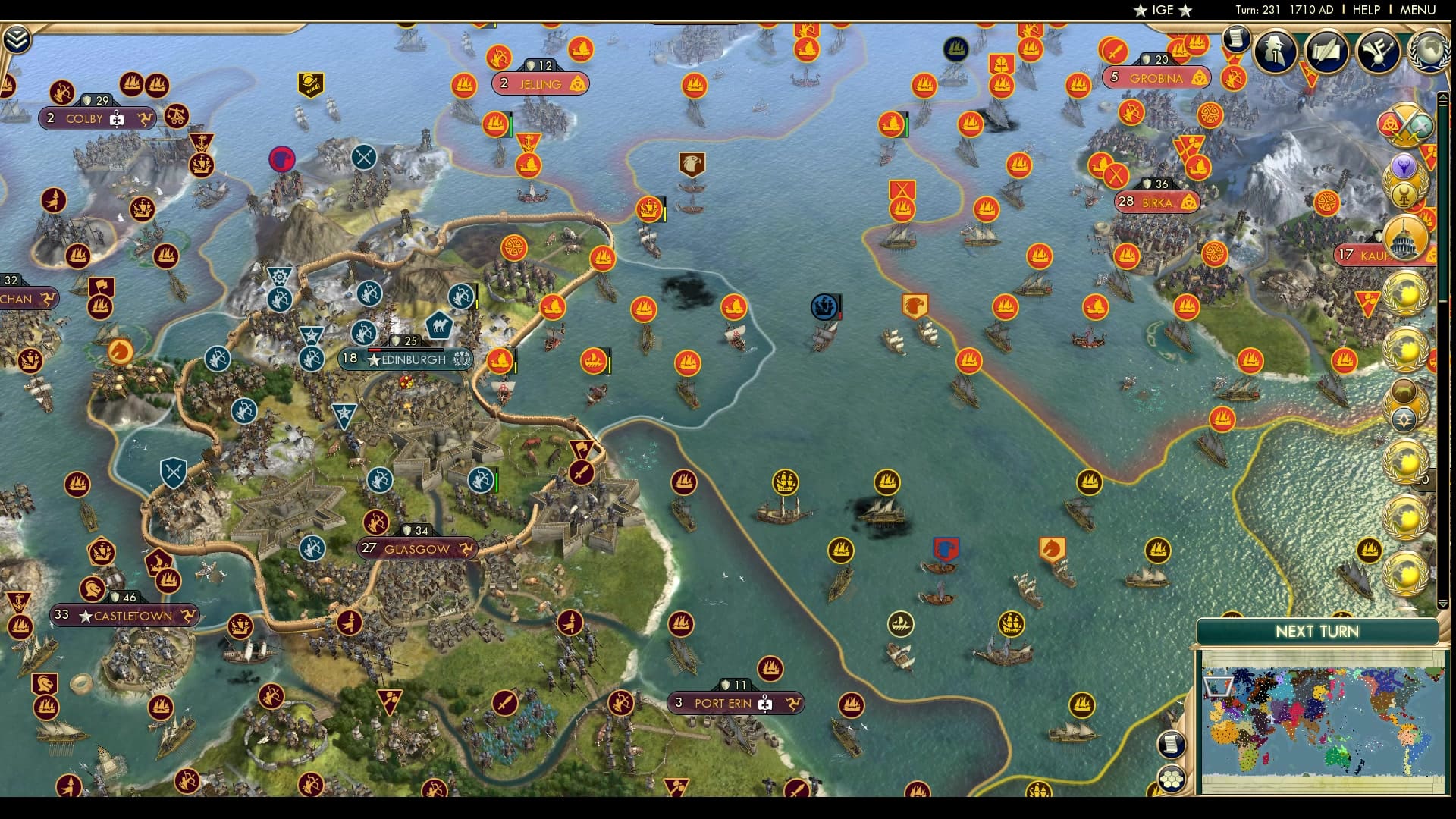
But aside from the catastrophe of Glasgow, Scotland had set out some excellent defence. Building a Great Wall and carpeting with ranged units would have been a sure-fire strategy for survival, were it not for their neighbours attacking over the water.

The Vikings had known where their opponents were weak, and struck it with full force. It had been like a warrior spending their whole lives preparing for an epic Kung Fu showdown, learning every move in the book and building up every muscle in their body… only to have a Viking opponent throw peanuts at them and trigger their fatal allergy.

CBR In-Game Screenshot of Turn 775

32: Turn 775

Five year passed and the map did not change.

Perhaps everyone still on this cylinder had earned their right to stay there. For the most part, those who didn’t deserve it were no longer around.

CBR In-Game Screenshot of The Omani

33: The Omani

It made Pedro remember how not all civilisations were meant for this world. Oman just hadn’t been the right fit for such a cut-throat cylinder, hoarding money in the desert as their enemies founded true empires. Hemmed in by Palmyra along their peninsula, they had become helpless as their enemies – just like with Scotland – had attacked from the sea.
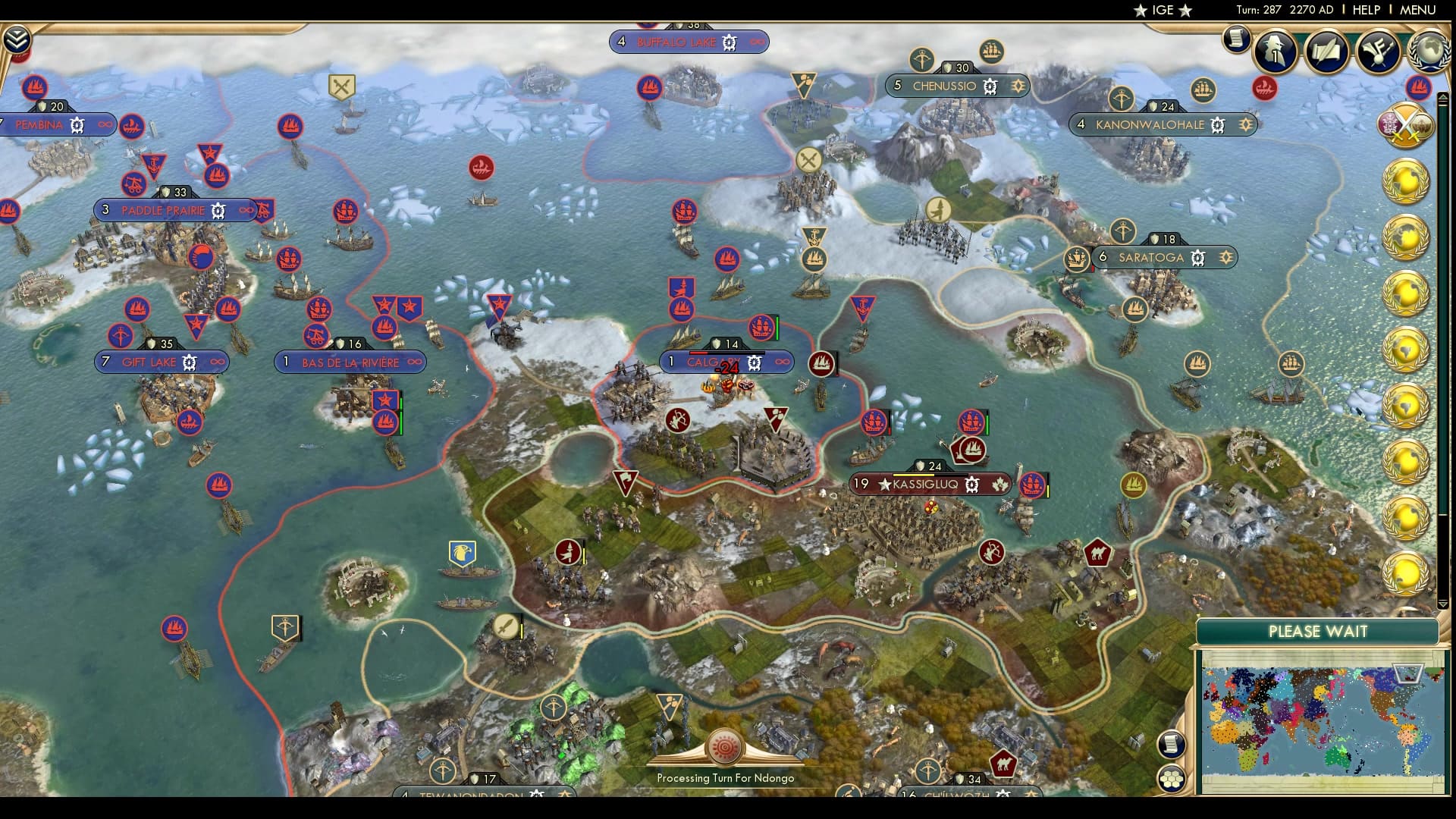
It was a lesson most other civilisations had taken to heart: develop a fighting expansionist instinct, or lose your cities to those who did.

CBR In-Game Screenshot of Turn 780

34: Turn 780

Nothing.

CBR In-Game Screenshot of The Canadians

35: The Canadians

Of course, not all of the dead had been a poor fit for the world. Canada had been an underrated example of fighting spirit. Kneecapped before they even got running, they had kept running anyway. Sure, it had been embarrassing and painful to watch, but the more Pedro thought about it, the more he respected it.
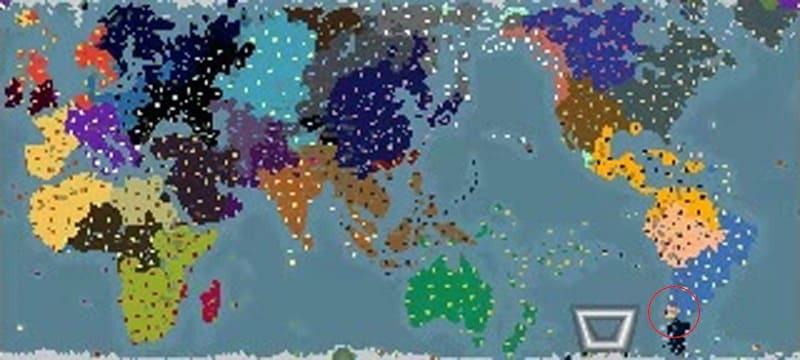
Survival wasn’t about dignity. It was about survival.

CBR In-Game Screenshot of Turn 785

36: Turn 785

The biggest event in over a decade happened mid-yawn, and the Nazca took Haiyuwel. Uruguay appeared not to mind too much.

With nothing else to talk about, Pedro had to tolerate the “Hi, you well?” puns from his crew for literally years afterwards.

CBR In-Game Screenshot of Poverty Point

37: Poverty Point

When he had conquered a cylinder himself, Pedro had done so with compassion and culture. His swathes of soldiers had switched from conquest to carnival as soon as their enemies had been dispatched, and won the hearts and minds of their new civilians.

Had Poverty Point conquered the world, perhaps they would have had the same compassion. Unfortunately, their compassion had been a compromising one, allowing their enemies to get away with too much in the name of being nice. Real leadership, even compassionate leadership, meant being uncompromising, and those elders had not lived long enough to learn that.

CBR In-Game Screenshot of Turn 790

38: Turn 790

The cylinder kept turning, its borders changing no faster than the tectonic plates beneath them. (And that was especially slow, given the submarine’s power to keep those tectonic plates in position and hold the world together. Cylinders were unfriendly shapes for the formation of a planet where everyone lived on the crust.)

CBR In-Game Screenshot of Antarctica

39: Antarctica

When the civilisations had run out of room on their own continents to colonise, they had come to Antarctica. Thankfully, too far away from the nuclear submarine for Pedro to be worried. And what had these empires achieved in the frozen wasteland? About as much as one would predict.

CBR In-Game Screenshot of Turn 795

40: Turn 795

And as much as they continued to achieve in the rest of the cylinder.

CBR In-Game Screenshot of The Ndongo

41: The Ndongo

In his boredom, Pedro ruminated over the fact that some deaths he felt worse about than others. Ndongo, for example, had fallen from a state of security to extinction in barely any time at all, but it was difficult to feel sorry for them.

Declaring war on a troubled neighbour was a smart enough idea, but doing so without an army of your own was foolhardy at best. Overconfidence was the one thing that could overcome smartness, as Nzinga had experienced herself.

CBR In-Game Screenshot of Turn 800

42: Turn 800

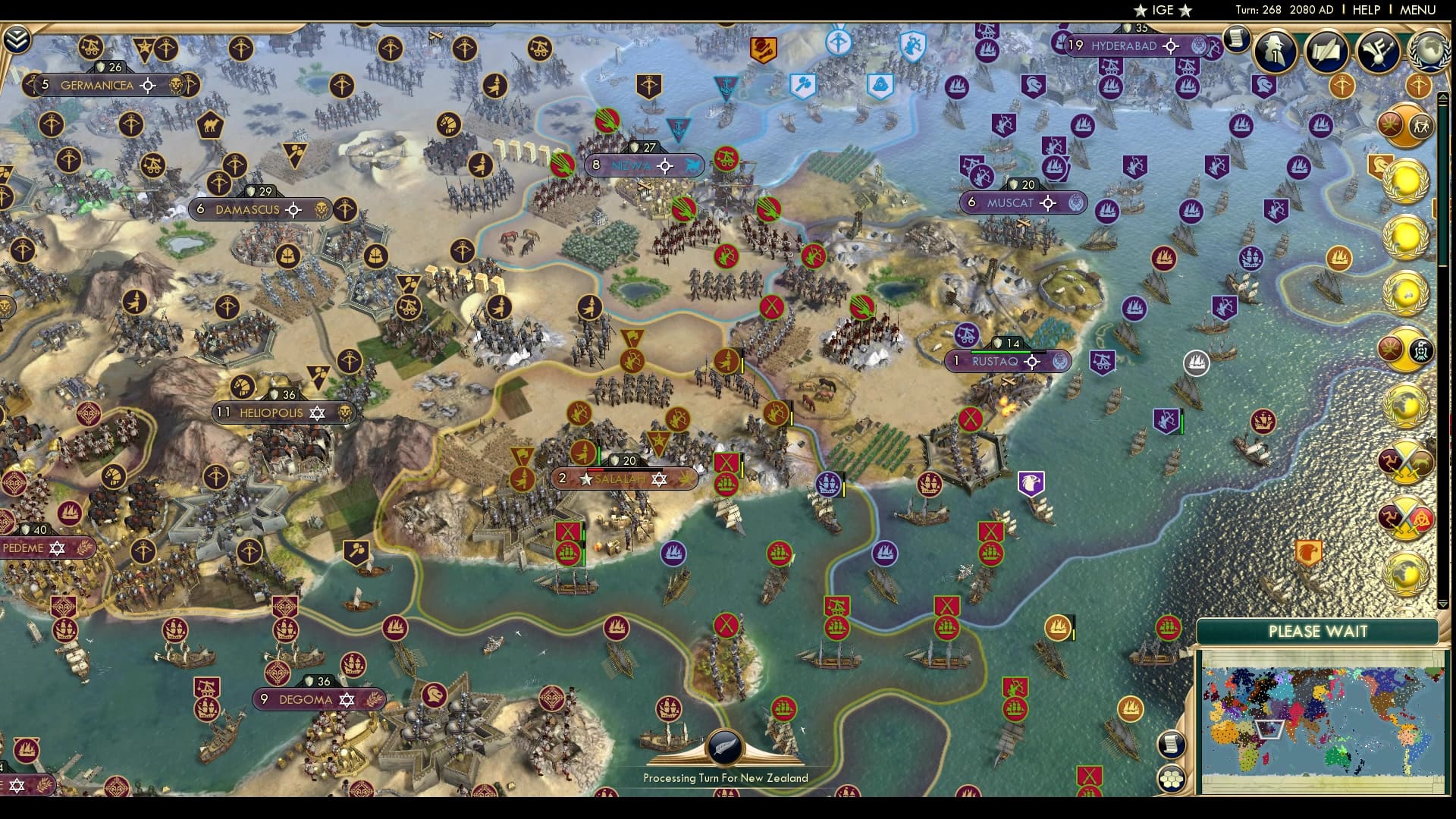
Suddenly, there was action. Uruguay taking back Haiyuwel from the Nazca, the Apache capturing Kung from the Haida city and cutting off Sirenik… and Beta Israel being thrown off their own continent forever. A people who had once occupied the Horn of Africa with pride were reduced to a town called Pedeme on the southwest tip of the Arabian peninsula, so small it could barely be distinguished from Palmyran territory.

CBR In-Game Screenshot of City Flips T800

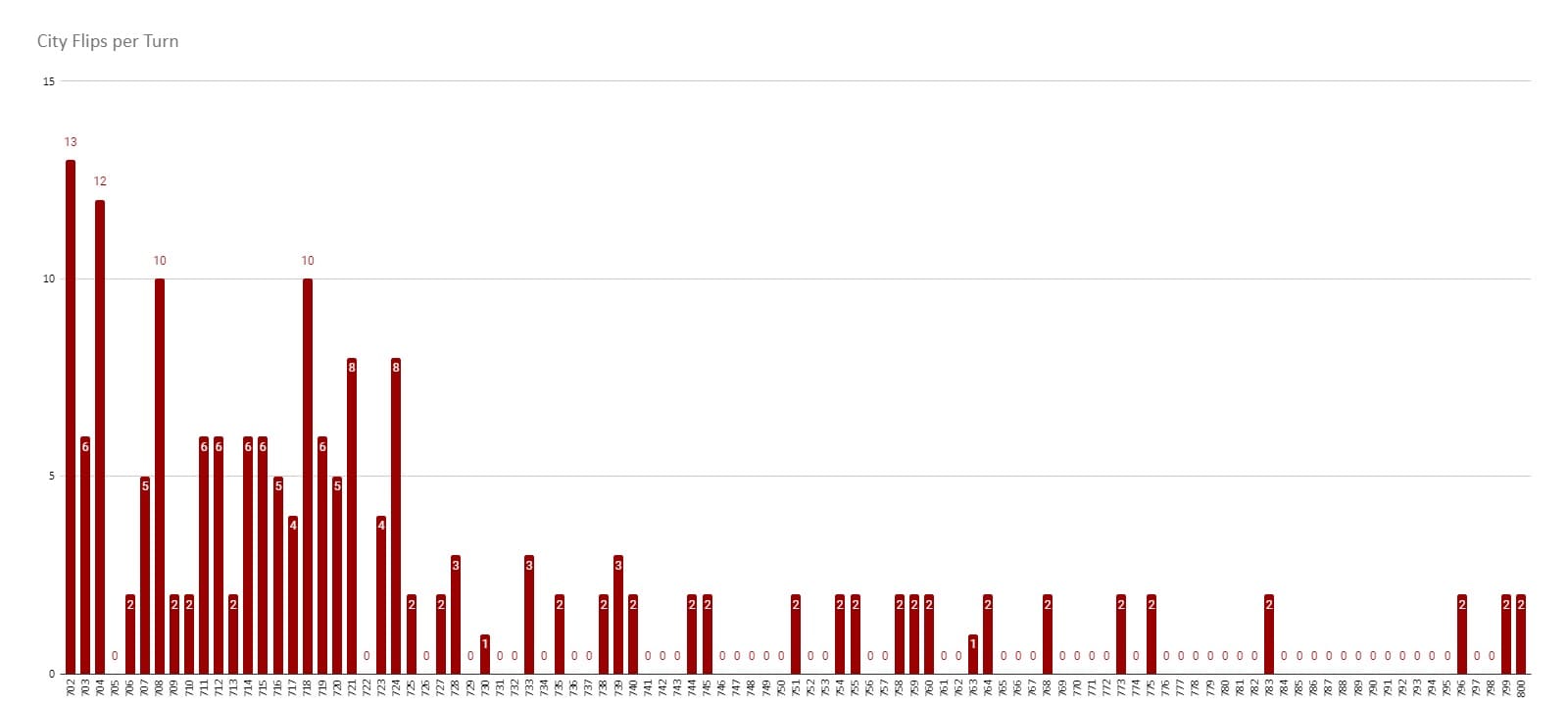
43: City Flips T800

This is Junior Information Officer Gragg9 stepping in to review the action for a moment while Pedro takes a quick nap. While not many borders have changed the past few years, plenty of cities changed hands since T700 when we started. Shikoku in particular lost 5 cities in one turn, which includes the first city nuked entirely out of existence (probably). I estimate around 2 BILLION citizens have lost their lives in the bloodshed so far.

CBR In-Game Screenshot of City ScoreCard

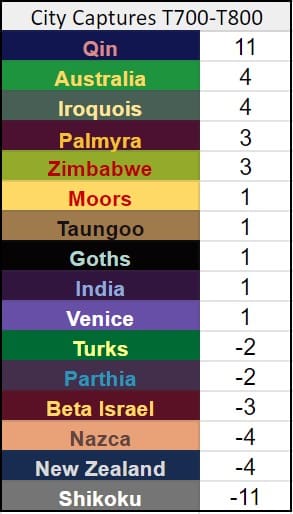
44: City ScoreCard

For those keeping score, here are the total cities gained and lost. 3 cities have been destroyed and 7 settled.

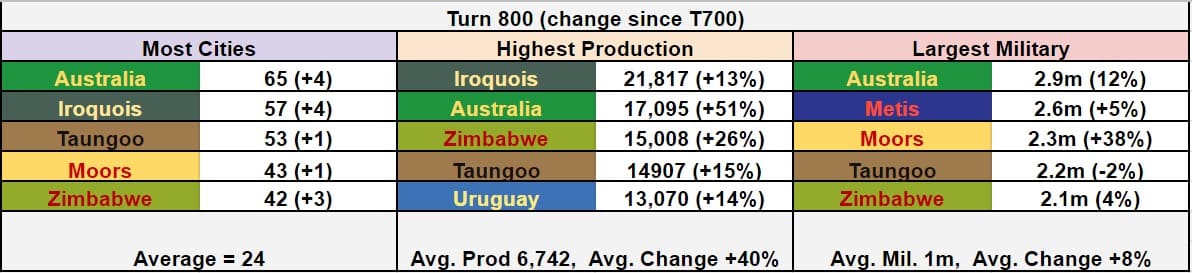
CBR In-Game Screenshot of T800 Leaders

45: T800 Leaders

Here are the leaders in what I consider to be the major categories in the late game. There is a notable shortage of Uruguay on this list.

CBR In-Game Screenshot of T800 Military

46: T800 Military

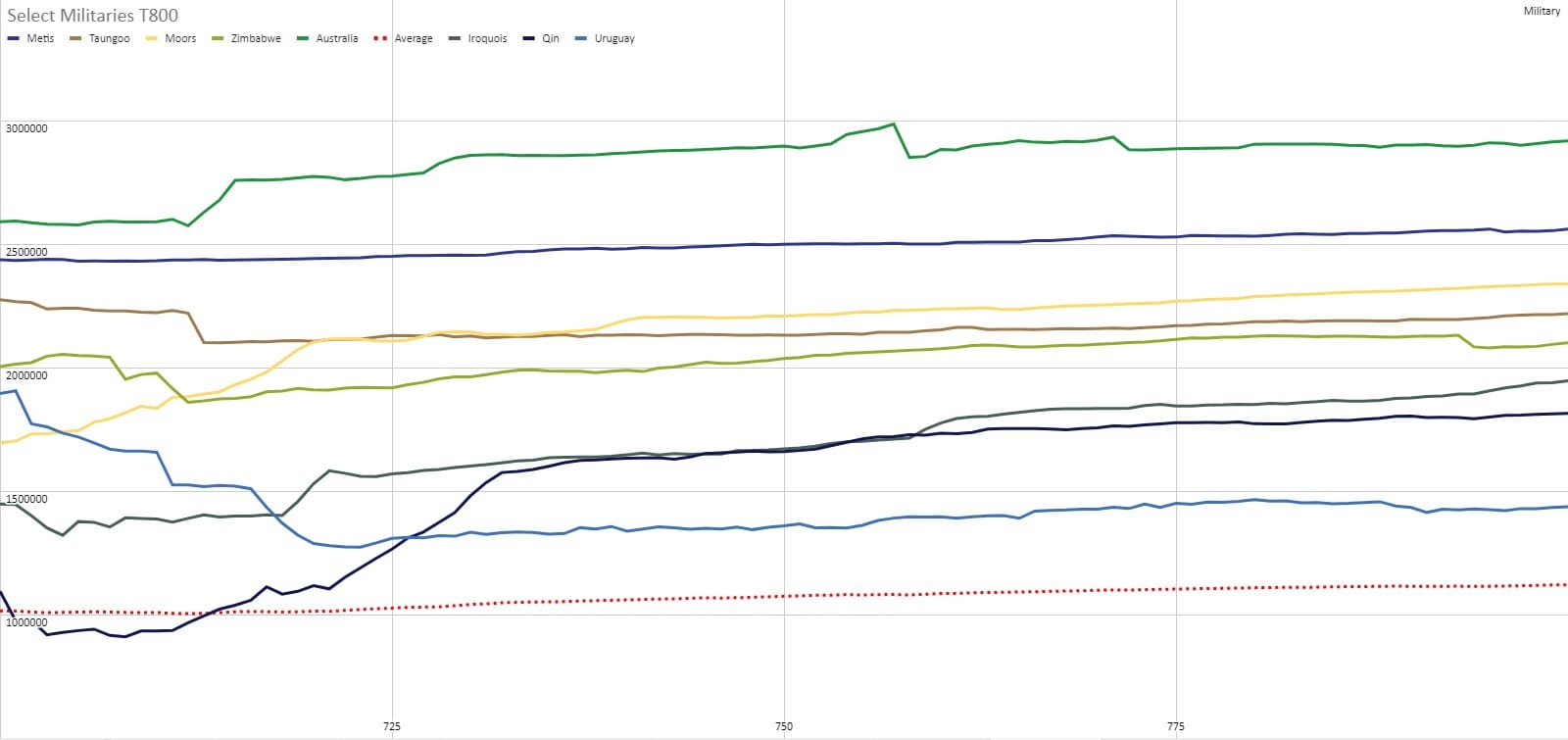
This chart may appear like a bunch of parallel lines at first, but there are some interesting things to note. Beginning with one that will excite, Uruguay is at the bottom of this particular list. As of turn 800 they have the 9th largest military. It also appears that the Moor’s have finally decided to build a military worthy of their status. The Metis military is a testament to consistency.

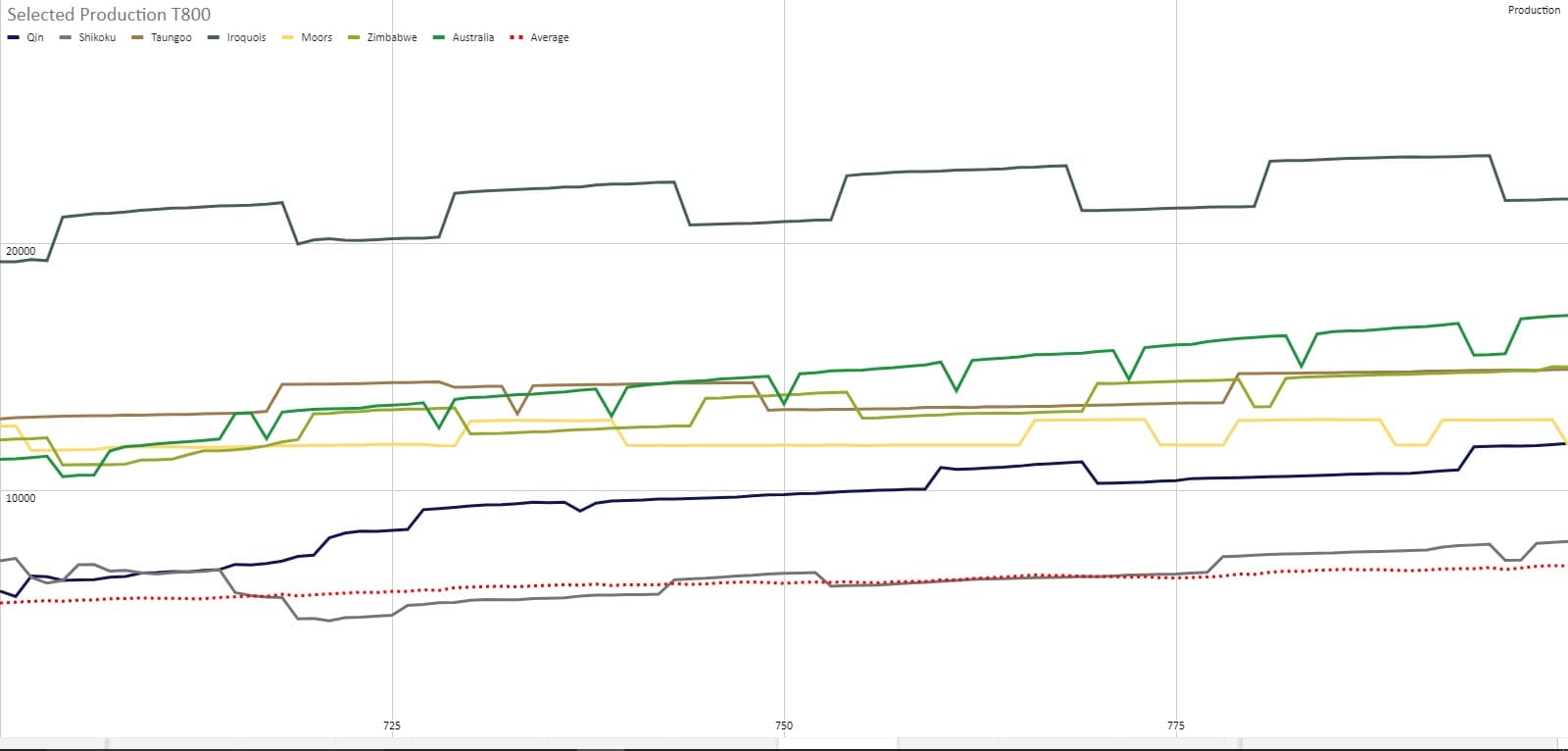
CBR In-Game Screenshot of T800 Production

47: T800 Production

Production, the ability of a civ to quickly build infrastructure and military, has been relatively stable. As civs reach the end of the tech tree there are fewer buildings to build that increase this stat. Golden ages are clearly visible and almost constant among most civs. In the face of nuclear hellfire Shikoku struggles to remain above average in this stat.

CBR In-Game Screenshot of The Sulu

48: The Sulu

As sad as it was to see a formerly competent civ become nothing, it was the way of the cylinder. Back in the day, the Sulu had built a formidable navy. When the enormous Taungoo had attacked, they had fought back with fantastic enthusiasm. However, melee units were not their thing. With a population almost entirely comprised of ranged fighters, the Sulu had lost their empire because too few of them had been willing to thrust a sword into an opponent up close.

CBR In-Game Screenshot of Turn 805

49: Turn 805

And that was probably the fate that had awaited Gudit, leader of the now-extinct empire of Beta Israel. A Zimbabwean naval assault had taken Pedeme, reducing them to the history books.

CBR In-Game Screenshot of Beta Israel (photo credit: LittleLionBoy1)

50: Beta Israel (photo credit: LittleLionBoy1)

Mountain civilisations rarely did well in tournaments like this. Pedro had his own memories of Tibet and Afghanistan, and knew that whereas mountains stunted invading forces, fending off invasions was not enough to win continents. Mountains also stunted your own ability to grow your cities and carpet your lands with soldiers. Their home territory, combined with lacklustre military campaigns, had sealed Beta Israel’s status as a dead civilisation in waiting.

CBR In-Game Screenshot of Turn 810

51: Turn 810

After the death of Gudit, the rest of the world continued as if nothing happened. The cylinder was pitiless at times.

CBR In-Game Screenshot of The Songhai

52: The Songhai

But then again, pity was no advantage. The Moors and Benin had felt no pity as they had ripped apart one of the cylinder’s greatest civilisations, bringing it from glory to extinction in virtually no time at all. Pedro remembered it as the turning point when he, his crew, and presumably every immortal left on the cylinder, came to realise that not even the greats were safe.

CBR In-Game Screenshot of Turn 815

53: Turn 815

And not even those who slew giants were safe either. Nyatsimba Mutota turned his armies west and went straight for two Beninese cities. How long until the rest of the continent fell? He had the willpower for it.

CBR In-Game Screenshot of The Murri

54: The Murri

Of course, there was every possibility that willpower would lead to disaster. The Murri, forward-settled at the beginning and doomed to be a rump civilisation forever, had demonstrated glorious willpower.

Things could have been so different, had they made peace with Australia just a few years earlier when they had owned half the continent, before Hawke had struck back and wiped them out altogether. Timing was everything, especially when troops were sparse.

CBR In-Game Screenshot of Turn 820

55: Turn 820

Apparently, everyone left on the cylinder was biding their time too.

CBR In-Game Screenshot of Unwanted Attention

56: Unwanted Attention

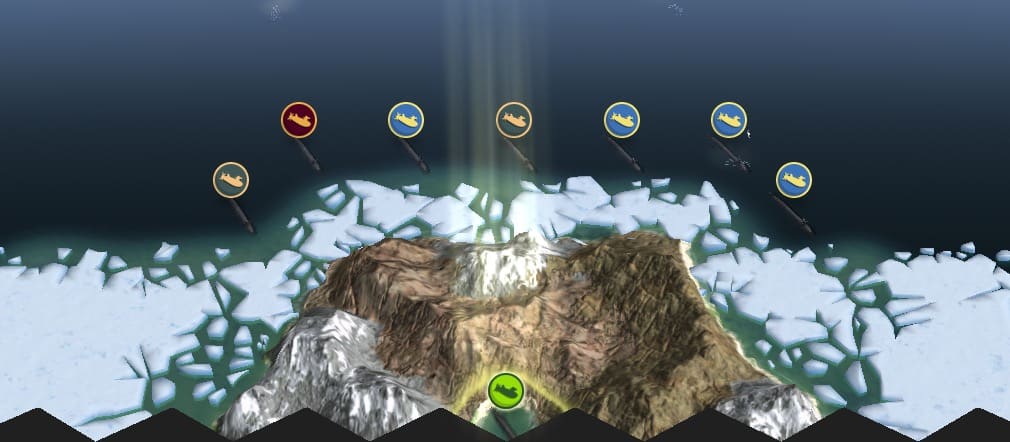
The sub fell silent once again. The single Uruguayan submarine had returned with a friend, and an Iroquois sub had followed to see what the fuss was about.

Nuclear submarines rarely travelled together. With power like theirs, they never needed to. There could be only one reason for two of them travelling south together.

Pedro marched out of his office and onto the bridge, raised his hand to grab everyone’s attention, and whispered the words he had spent nine-thousand years hoping he would never say.

“We’ve been discovered,” he whispered.

CBR In-Game Screenshot of Turn 825

57: Turn 825

Life on Pedro’s submarine took a turn for the more nervous. How could Pedro explain to these people that the cylinder’s existence depended on his submarine’s survival, and why the hell would they believe him if he did?

Thankfully, years passed with no direct threat. Other than a great general exploding himself into a citadel and taking Beninese land, nothing changed worldwide either.

CBR In-Game Screenshot of The Papuans

58: The Papuans

Pedro continued his remembrance of civilisations gone by. When it came to Papua, he was happy that there were things to remember about them. Birthed in a set of islands that had made expansion a challenge, few people had expected much of them. Their out-of-nowhere conquest of Australia had been written about in countless history books, a feat matched only by their out-of-nowhere downfall.

CBR In-Game Screenshot of Turn 830

59: Turn 830

Nubia experienced its greatest adventure in centuries, stealing a piece of desert from Benin. Meanwhile Shikoku, knowing their capital was lost forever, sought expansion opportunities elsewhere. And, in true Shikoku style, they made it happen.


Gragg’s note: Nubia gained 2 tiles. This is the first time their tile count changed since turn 608, when they lost 2 tiles.

CBR In-Game Screenshot of The Czechs

60: The Czechs

And that was what the story of the cylinder was: civilisations seeking impossible tasks and making them happen. Success was rarely down to sheer numbers, and more about choices.

Choice, of course, had been Czechia’s downfall. More specifically, the choice to give away their second city completely for free, and voluntarily cutting their own empire in two.

Great leaders were largely remembered by their choices. Pedro was glad his own time as a war leader had not been remembered by something as humiliating as Vaclac Havel’s.

CBR In-Game Screenshot of Turn 835

61: Turn 835

Just for once, Benin chose to expand outwards rather than contract inwards. Risking another war with the great Zimbabwean empire, Ewuare took a bite and watched to see what happened.

The rest of the world sat around doing nothing.

CBR In-Game Screenshot of The Ascended

62: The Ascended

If Pedro had learned one thing from his own fighting days, he knew that “doing nothing” often generated a lot of hype. The Yakutian empire had been enormous back in its day, before doing nothing and becoming nothing. And then came Uruguay, the nightmare of most across the cylinder and presumed winner of the tournament before it had been got rolling. But incredibly, for all their high production, population and military, Uruguay had sent nobody at all to the Redundant Sofa. Nobody.

CBR In-Game Screenshot of Turn 840

63: Turn 840

Benin, having not suffered much from taking that first bite, bit again and took one of their own cities back. The Manx bit back too, avenging the death of their glorious Kirk Michael or something. Uruguay, naturally, did nothing.

CBR In-Game Screenshot of The Kuikuro

64: The Kuikuro

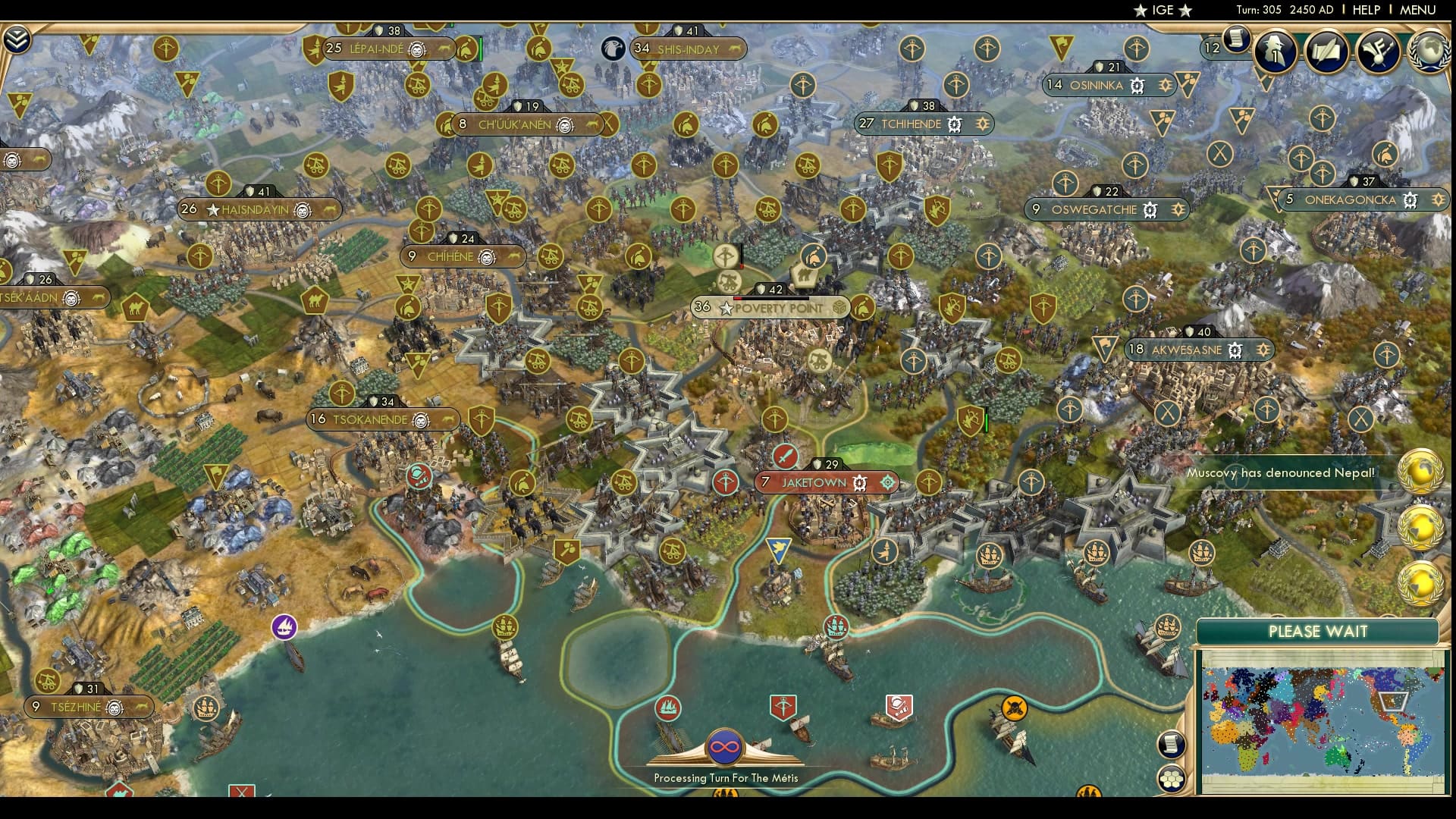
There was one civilisation that had been credited above all others for Uruguay’s ineffectiveness. The Kuikuro of the rainforest, targets of too many wars and repellent of too many Uruguayan soldiers, had once been seen as the shield of the world. Nobody on the cylinder had expected the dormant Nazca to be the ones to stab them in the back, wipe them out of existence, and open the rest of the world to the Uruguayan menace… who then did nothing.
CBR In-Game Screenshot of Turn 845

65: Turn 845

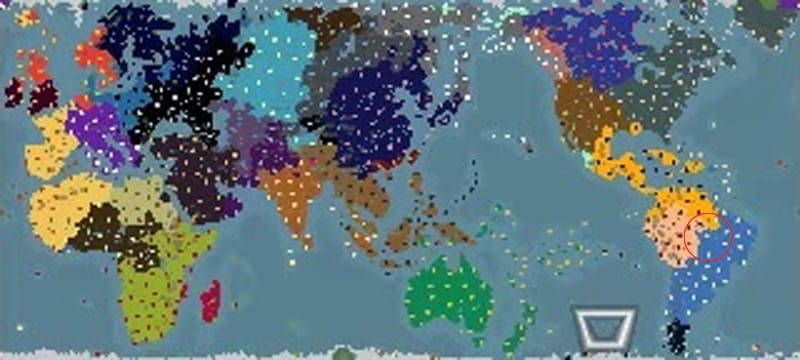
But it seemed like Juan Antonio Lavalleja was waking up. The feared annihilation of South America had not happened, but the occasional Nazca city fell. The citizens of Kuhikugu were probably wishing that the Kuikuro wall had still been around.

CBR In-Game Screenshot of The Koreans

66: The Koreans

But whereas some civilisations had been walls, others had been welcome mats. Korea, who had given away their second city to a lazy little tribe known as the Khamugs, had been quite welcoming in letting the Shikoku share their land. It had been the moment the cylinder had recognised the true potential of Sakamoto Ryoma.

Pedro tried to imagine the shame of an immortal existing solely to demonstrate the power of another immortal. Like in his own time, when the Timurids had existed only to demonstrate the might of Sibir.

CBR In-Game Screenshot of Turn 850

67: Turn 850

Five years passed, and everyone did nothing. Uruguay, Palmyra, Qin, Venezuela…

CBR In-Game Screenshot of The Haitians

68: The Haitians

…But none of them had got there by doing nothing. Their nothingness was on the back of a hell of a lot of effort. Venezuela were doing nothing while sat on lands they had conquered – not least Haiti, whose downfall had been shocking. In the blink of an eye they had gone from their greatest extent to non-existence: mainly due to an enormous Venezuelan strike, although history would blame it on their inability to conquer the Venezuelan capital thousands of years before.

CBR In-Game Screenshot of Turn 855

69: Turn 855

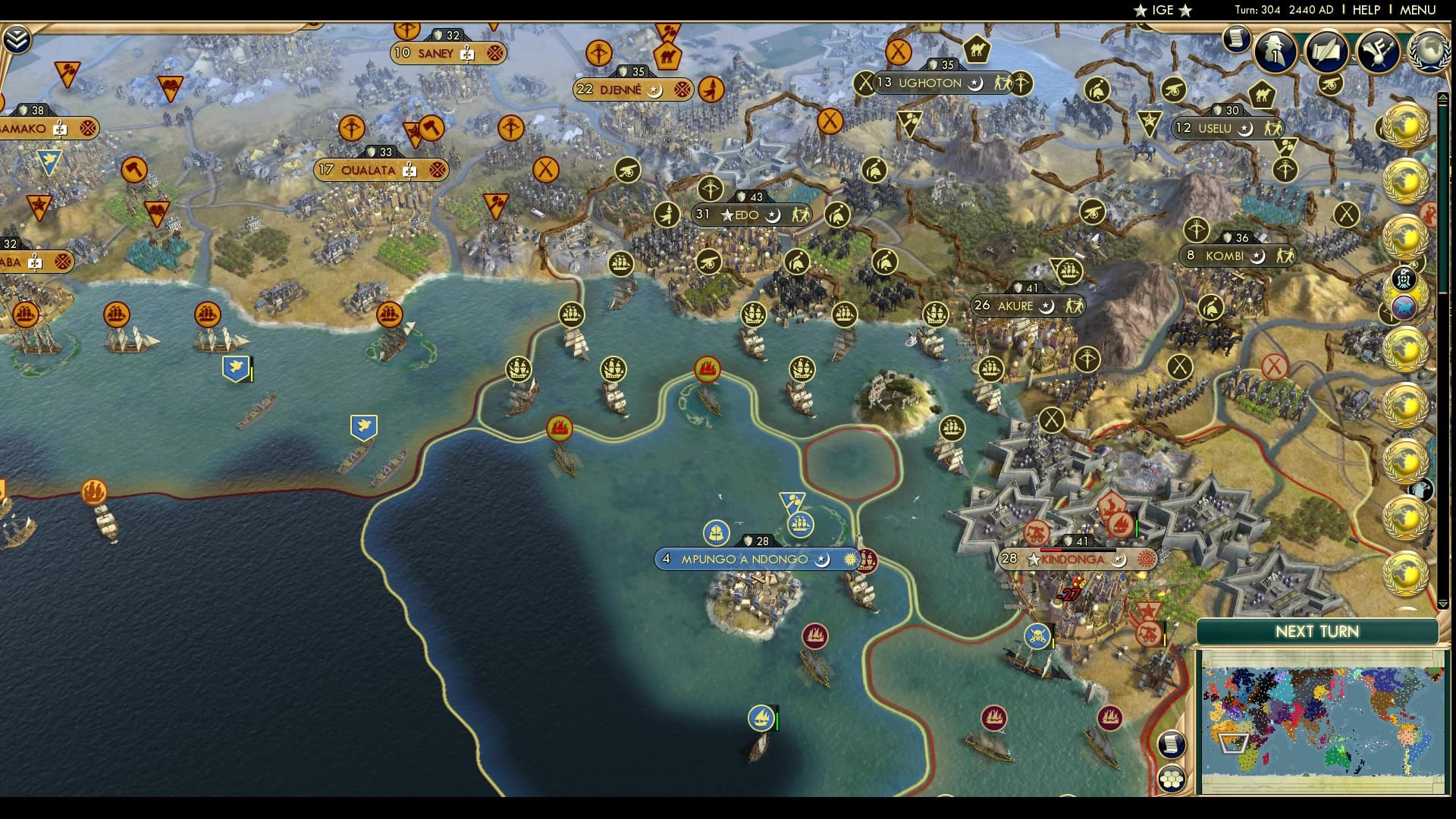
Benin bit twice. The equatorial cities of Mambone and Kindonga fell. It was daring, from a civilisation inferior to Zimbabwe in just about every measurable way.


Gragg’s note: At this point, Benin has 26% the production and military as Zimbabwe, and 43% of the cities. Zimbabwe has 4 units for every one of Benin and can produce more 4x as fast (generally).

CBR In-Game Screenshot of The Qing

70: The Qing

And being daring was fine, as long as it was backed up. The Qing had been daring by settling half their cities in the north of their continent rather than waste time scrambling for land already split between four leaders.

But instead of filling up the land in the middle, their northern empire had simply become a cold place for them to die, brought down by civilisations who were more than used to the cold of the north.

CBR In-Game Screenshot of Turn 860

71: Turn 860

Despite the risk of being overheard by searching submarines, Pedro’s crew were gasping loudly. What was Benin doing in the heart of Zimbabwe territory? And when would the inevitable Zimbabwean counterstrike begin? Dambarare and Macardon, two central cities founded by Zimbabwe, had fallen – bringing the Beninese expansion to five.

CBR In-Game Screenshot of The Golden Horde

72: The Golden Horde

At that moment, Zimbabwe’s military incompetence was rivalling that of the Golden Horde, a comparison which was widely used as an insult on the submarine. Tokhtamysh and Alaric had fought down the centuries, each as ineffective as the other before the Goths had found their footing and learned how to fight properly. Perhaps they had learned a lot about siege tactics while invading the Golden Horde, who had left their cities open for them to practise. The voluntary throwaway of further cities had made everyone else lose their ability to take the Horde seriously, until the Parthian army had put them out of their misery.

CBR In-Game Screenshot of Turn 865

73: Turn 865

Benin took Kabasa, the former Ndongo capital. Whether Zimbabwe was even trying to resist, Pedro could not tell. This was progress. Meaningful, frightening progress.

CBR In-Game Screenshot of The pretence of progress

74: The pretence of progress

In tournaments where competitors went extinct, it was important to define what “progress” actually meant. The Seljuks had become stronger than twenty other civilisations from their lowest point onwards, but only in the same way that a newborn baby was stronger than a dead man. Pedro, in one of his dreams about Albinos Riding Dinos, had laughed at the mental image of a stock exchange based on how the civilisations ranked against each other, and how rich people could have got by putting their money on those who made meaningless progress.

CBR In-Game Screenshot of Turn 870

75: Turn 870

Back in the present, Benin’s true progress had stalled. That was ok. There was a lot of breath to catch, and a lot of territory to safeguard.

CBR In-Game Screenshot of The Muscovians

76: The Muscovians

Benin was making it easier for themselves by minimising the lengths of their borders. The more circular their empire, the less invasion points there were.

That had been Muscovy’s downfall: that, even when facing the then-incompetent Goths, their doom was made inevitable by the sheer length of their linear border. Even the Sami, who Pedro had not given a passing thought to in a hundred years, had fought their way through it.

CBR In-Game Screenshot of Turn 875

77: Turn 875

Benin may have fought through traditionally Ndongo lands, but plenty of their new cities were ones that Zimbabwe had founded themselves. That made Pedro smile. There was a huge morale difference between populations who lived on their own land and those who had been ejected from it.

CBR In-Game Screenshot of The Holy Roman Empire

78: The Holy Roman Empire

The Holy Roman Empire, for example, had long lost the palace where its first couple of emperors had sat. It had become a tragic existence, spending their final days in somebody else’s former city. And to add insult to injury, not even a city that had been legitimately conquered: merely given to them based on a threat that hadn’t been there.

CBR In-Game Screenshot of Turn 880

79: Turn 880

Little happened in the following years. Except for the events so small they made no impact on Pedro’s screen.

CBR In-Game Screenshot of The Seljuks

80: The Seljuks

And to be fair, some significant events made very little visual difference. Like the death of Beta Israel, the death of the Seljuks had barely registered on his map. When Pedro tried to remember the Seljuk story, all he remembered was how they had existed in their final few centuries, and there wasn’t much to remember about that either. Some empires had not earned their place in history.

CBR In-Game Screenshot of Turn 885

81: Turn 885

The civilisations that actually had earned their place were taking full advantage. Biding their time, they seemed to want to stay in history for as long as possible, even if it meant inaction.

CBR In-Game Screenshot of The Aztecs

82: The Aztecs

Once upon a time, the Aztecs had existed. Pedro remembered a lot of shouting, but that was it.

CBR In-Game Screenshot of Turn 890

83: Turn 890

The Venetians returned to Manx lands for their annual festival of remembering a man called Kirk Michael, a fictional folk hero who they burned on a bonfire every year or something bizarre that nobody questioned the origins of. On those crazy islands, it was difficult to tell which parts of their culture were true and what history had made up for itself.

CBR In-Game Screenshot of The Nenets

84: The Nenets

Over thousands of years, Pedro had found much to mourn. The passing of great civilisations, the passing of civilisations who had never become great… and, like now, the mourning of lost opportunities.

The north of Asia had been full of promise, of interesting land and expansion opportunities. Pedro mourned the fact that such promising territory had lain empty for so long: if only another civilisation had been here to fill the land with history and culture.

CBR In-Game Screenshot of Turn 895

85: Turn 895

Nothing happened.

CBR In-Game Screenshot of The Tongans

86: The Tongans

Tonga’s death didn’t seem that long ago: only hundreds of years rather than thousands. They had had a rollercoaster existence, barely bothering to expand at all in their early days but not appearing to suffer from it. But with such a limited area of land and such limited competence in warfare, Tonga’s time had come and gone.

CBR In-Game Screenshot of Turn 900

87: Turn 900

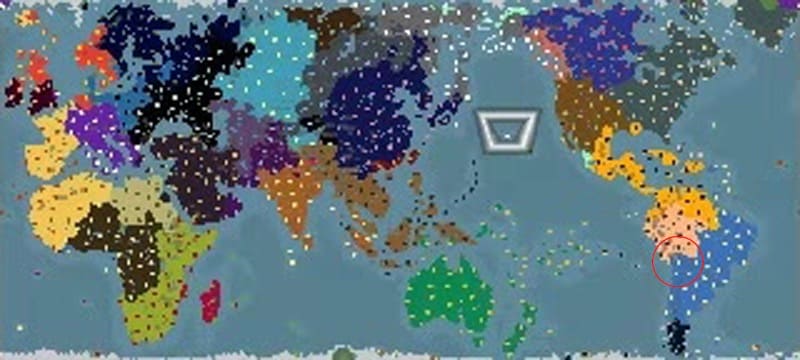
Uruguay pressed further north and took back  San José the Mayo, but that was the least of Pedro’s concerns. Somewhere across the mountains, trouble was brewing.

CBR In-Game Screenshot of T880 Leaders

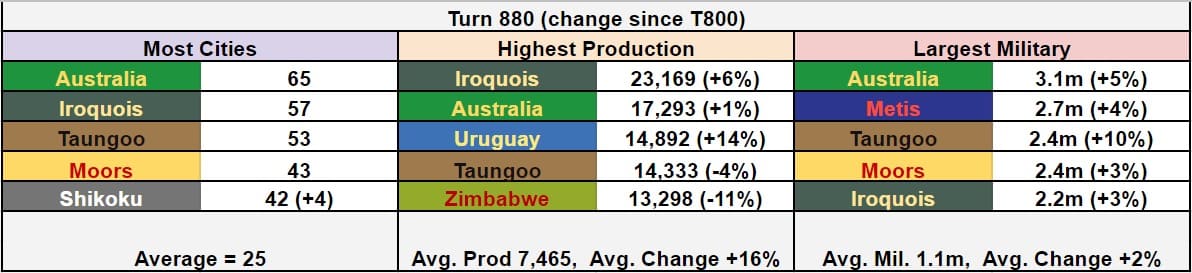
88: T880 Leaders

As more civs became aware of the Sub, they began to jam our information gathering systems. Starting bonuses bonuses are determined from turn 900 and I have access to data up to turn 880. Looking at the maps it’s safe to assume stats remain generally the same. Here are the leaders in each category going into Endgame.


Australia is a clear stats leader but is burdened with a bad start location for Endgame. Iroquois are finally catching up in military, Zimbabwe has been decimated by Benin (still in shock), and Shikoku are still relatively ok if you look at only numbers.

CBR In-Game Screenshot of T880 Military

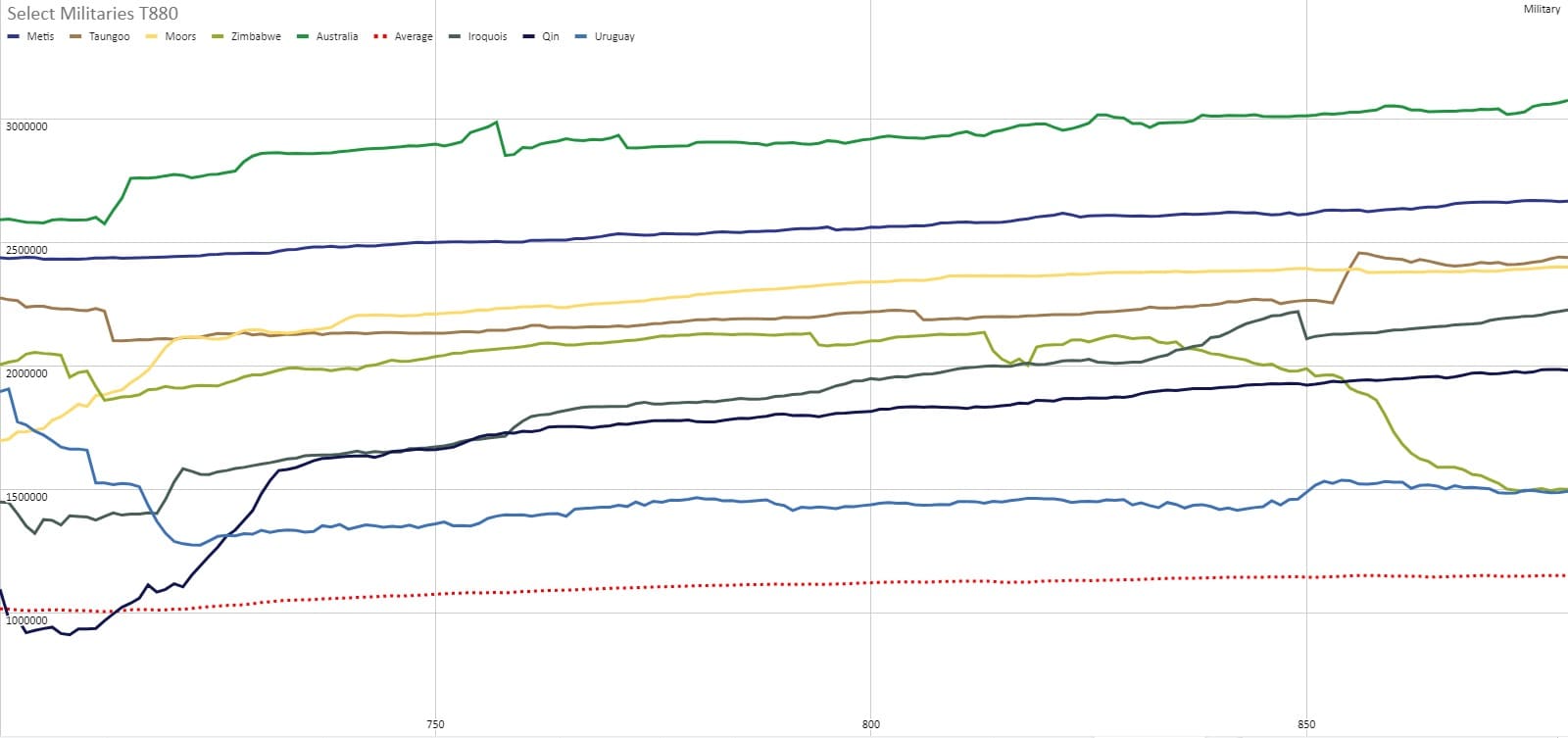
89: T880 Military

This chart really drives home how rough this war has been for Zimbabwe. They’ve gone from 4th in military to 9th over the course of it. What happens if an actual power were to attack them? Taungoo had an interesting spike as well to just overtake Moors. Finally, are Uruguay the real Boers?


There is no production chart because they remained surprisingly consistent. Zimbabwe’s of course tumbled but otherwise there are no major changes.

CBR In-Game Screenshot of T880 City Flips

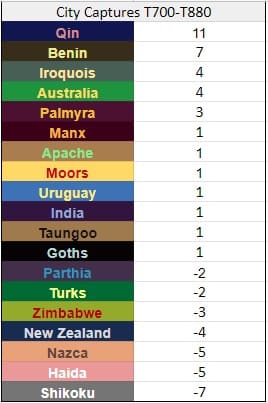
90: T880 City Flips

And here are the total city count changes over the course of the episode. Qin are the big winner followed by the Benin of all civs. Anyone not listed ended up with a net 0 cities change.

CBR In-Game Screenshot of Summary Episode ‘winners’

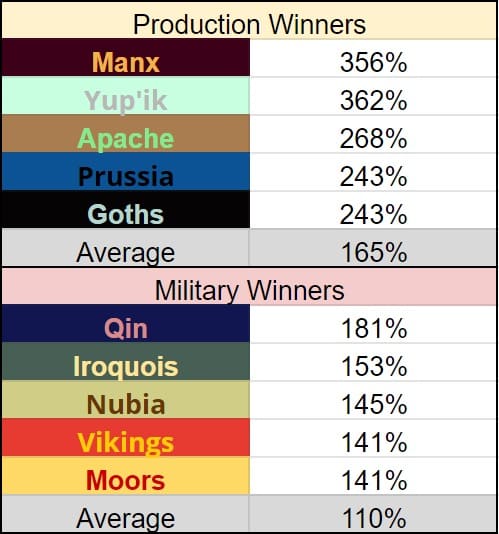
91: Summary Episode ‘winners’

I’ll end my observations with a glimpse at the biggest ‘winners’ of this summary episode. We’ve talked a lot about some of the major players, but there are a few surprises here that snuck in under the radar.

CBR In-Game Screenshot of Curiosity killed the civs

92: Curiosity killed the civs

There were more of them now: a multinational effort to investigate the disturbance at the bottom of the world. Submarines were not the most efficient vehicles for carving through the ice, but nonetheless they were trying. Pick by pick, the ice shelves surrounding the mountains were being cut away.
It was ok, for now. Centuries would pass before first contact.

CBR In-Game Screenshot of Turn 1024

93: Turn 1024

But the centuries passed regardless.

Benin spread further into Zimbabwe.

Zimbabwe stole desert from Palmyra.

Uruguay tore through the centre of the Nazca empire, and picked cities from New Zealand.

The Qin took the Goth city of Nuwakot near Nepal.
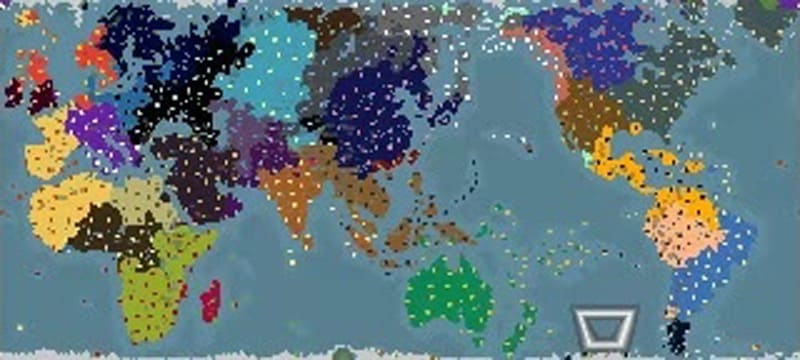
The Yupik lost Tlacopan, their only city where its citizens didn’t need coats.

Somehow, Kauwes – the former Selk’nam capital – fell to Venice of all people.

And to celebrate this, the festival of killing Kirk Michael spread further, and each year the Venetians started to Peel Kirk Michael. Or something like that.

The centuries passed, and Pedro in the midst of it all couldn’t move.

CBR In-Game Screenshot of A threat to our very existence

94: A threat to our very existence

Then the world came.

The last of the ice was carved away, scouts were sent on treks through the mountains until they returned back to their subs with tales (and thermal images) of a Brazilian nuclear submarine stuck in a lake.

As one, the surviving civilisations merged. Uruguay was there. The Iroquois were there. Venice and the Manx were there. Venezuela and Shikoku and Australia and New Zealand were there. All armed, all curious.

“You cannot destroy this submarine!” Pedro had wailed into his radio once contact had been established. “If we die, the cylinder dies with us!”

That sentence had been taken as a threat rather than a clarification. Thirty-three civilisations, none of which knew the slightest thing about nuclear tectonic bonding, stopped focusing on each other for the first time in nine-thousand years.

The day came when the world made its decision. Through the radio in his office, Pedro heard the shrill, shrieking, overexcited voice of Indira Ghandi.

“By 6pm you will surrender your technology, your freedom and your entire existence to us, or we will send every nuclear missile right in your direction and wipe every trace of you from history!!”

The cylinder’s annals had held their fair share of mistakes. But together, the world had made its biggest mistake of all.

They had given him until 6pm.

CBR In-Game Screenshot of The only way out

95: The only way out

“I have a plan,” Pedro whispered to his most trusted commander, “but it’ll cost 99.99% of the world’s population.”

“What’s the alternative?” his commander asked.

“Losing 100% of the world’s population.”

His commander had not needed to offer any approval. Cold logic dictated what must happen next. Pedro headed down to his war chamber, and took a deep breath of genuine, heartfelt sadness.

CBR In-Game Screenshot of Endgame

96: Endgame

The job was done. He had spared only those who lived in the most well-guarded centres of each civilisation’s capital, and wiped the rest of the world clean.

“It was the only way,” he spent the rest of the day whispering to himself over and over. And he had been right. If one shred of nuclear technology had remained, the cylinder’s existence would remain in danger.

But the threat was gone now. The survivors would have another nine-thousand years to forget about the mythical submarine at the bottom of the world. It would become another folk tale, passed down the generations until everyone had forgotten what it meant. Meanwhile the civilisations would rebuild, re-expand, rediscover, and continue to do what they had done best since time immemorial: attacking the hell out of each other until only one glorious civilisation remained.
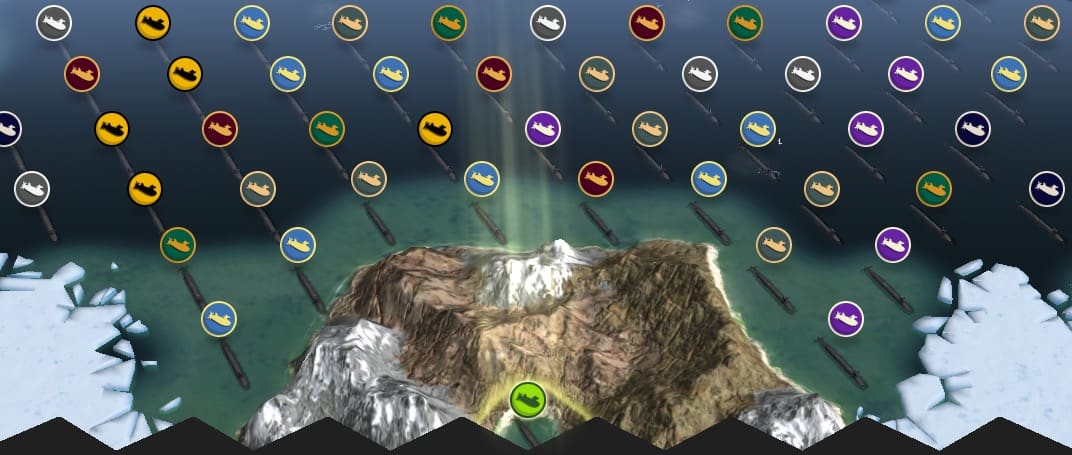
Pedro returned to his office, sat down at his computer screen, and began to watch.