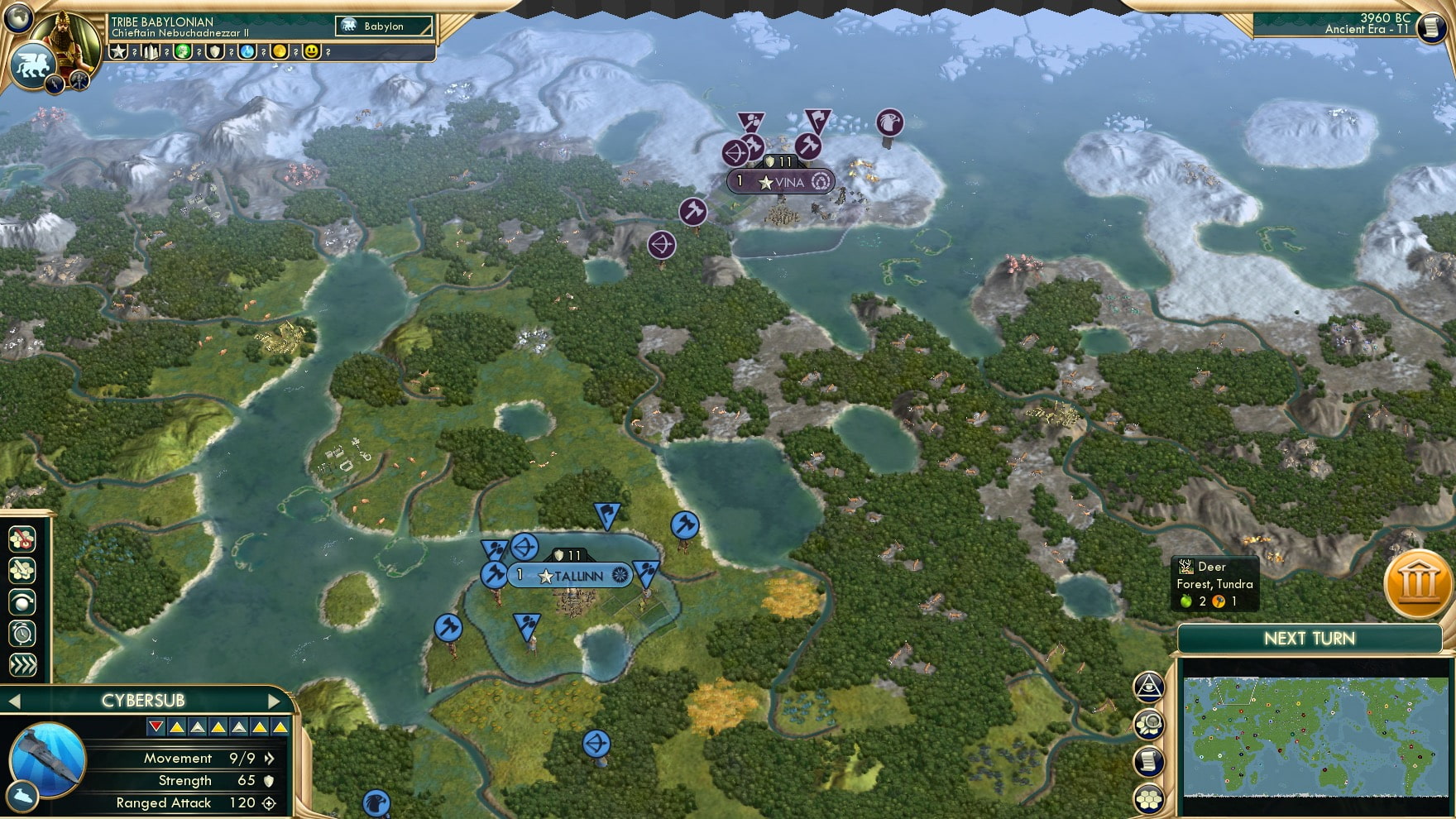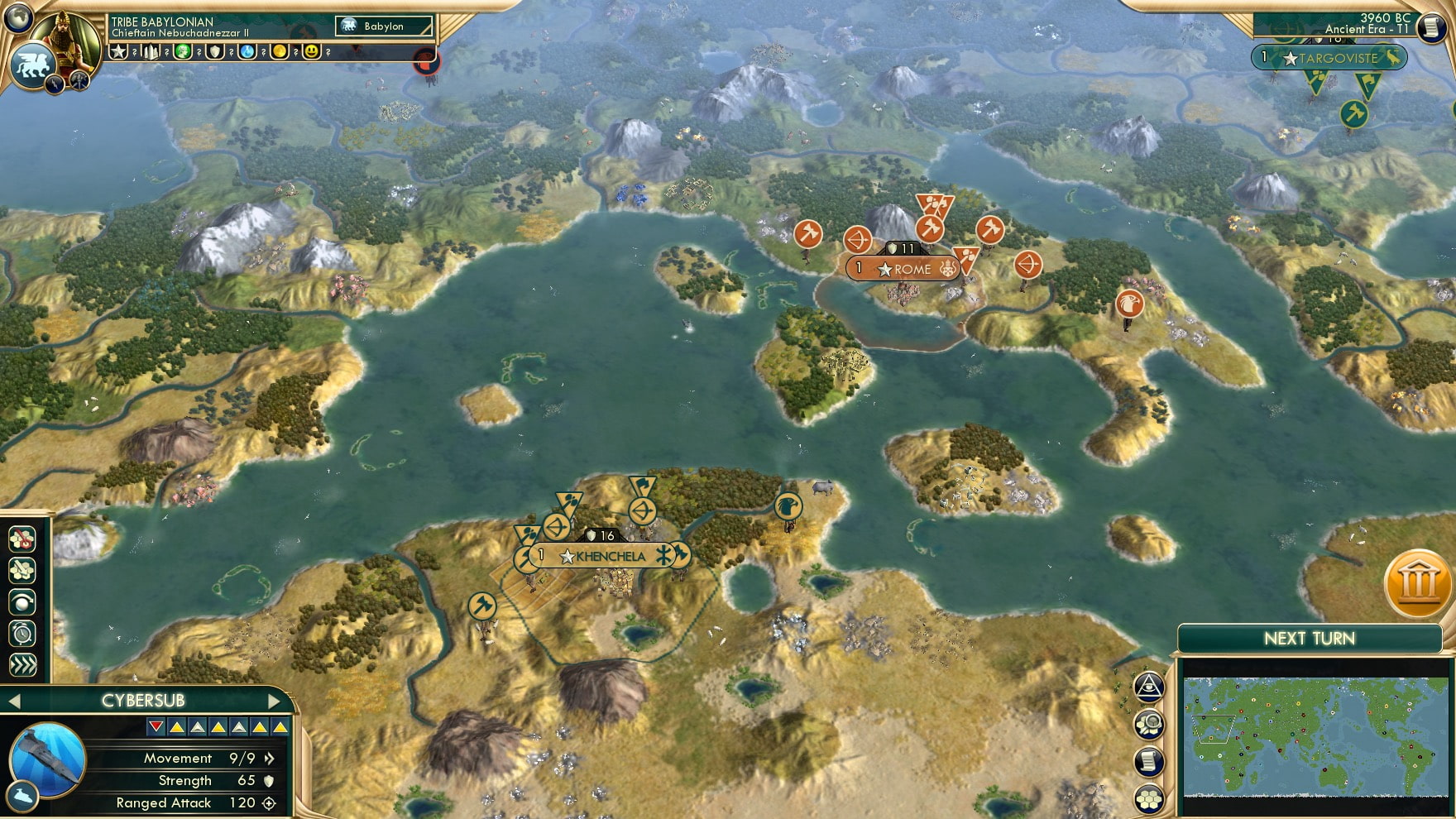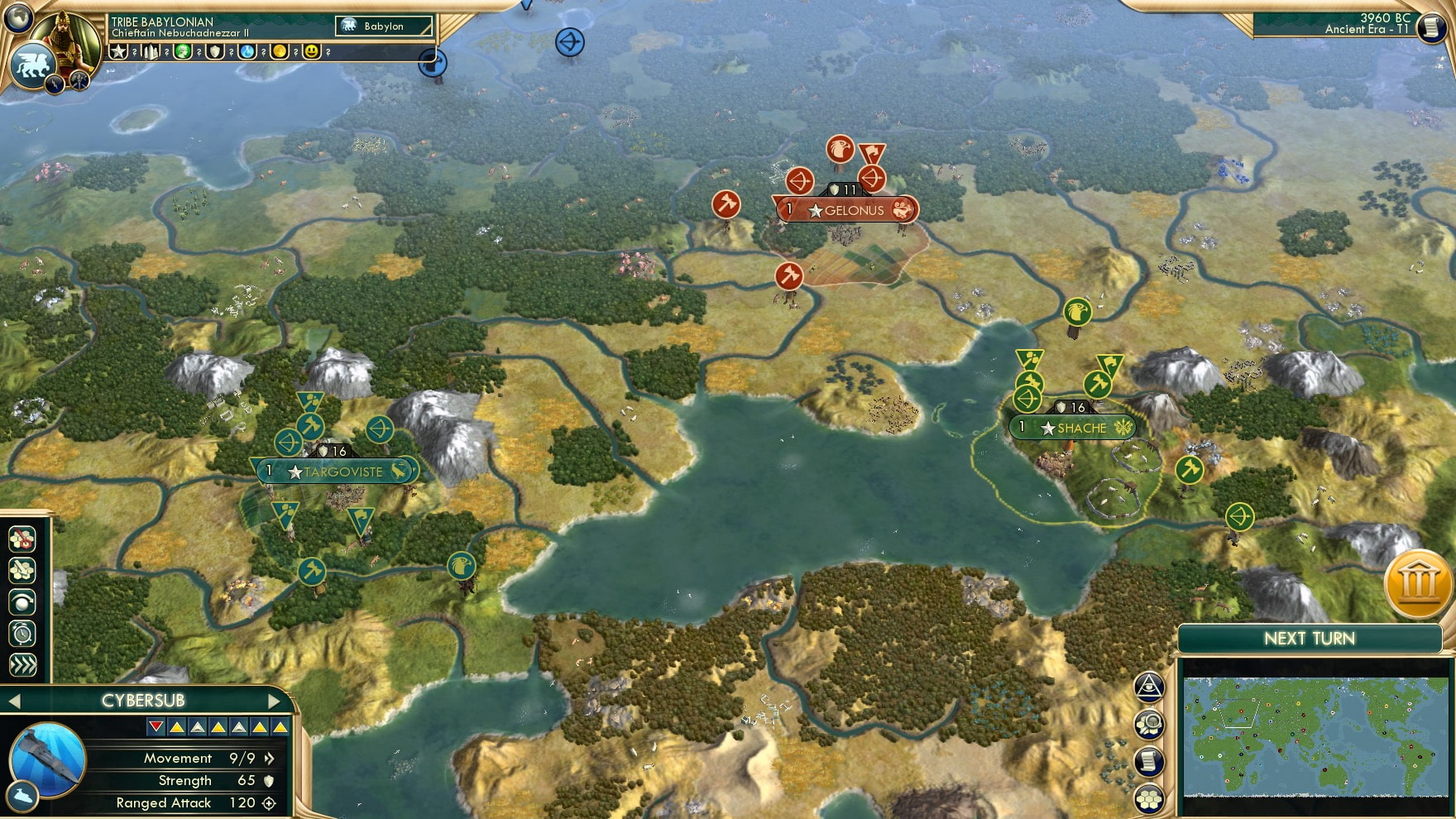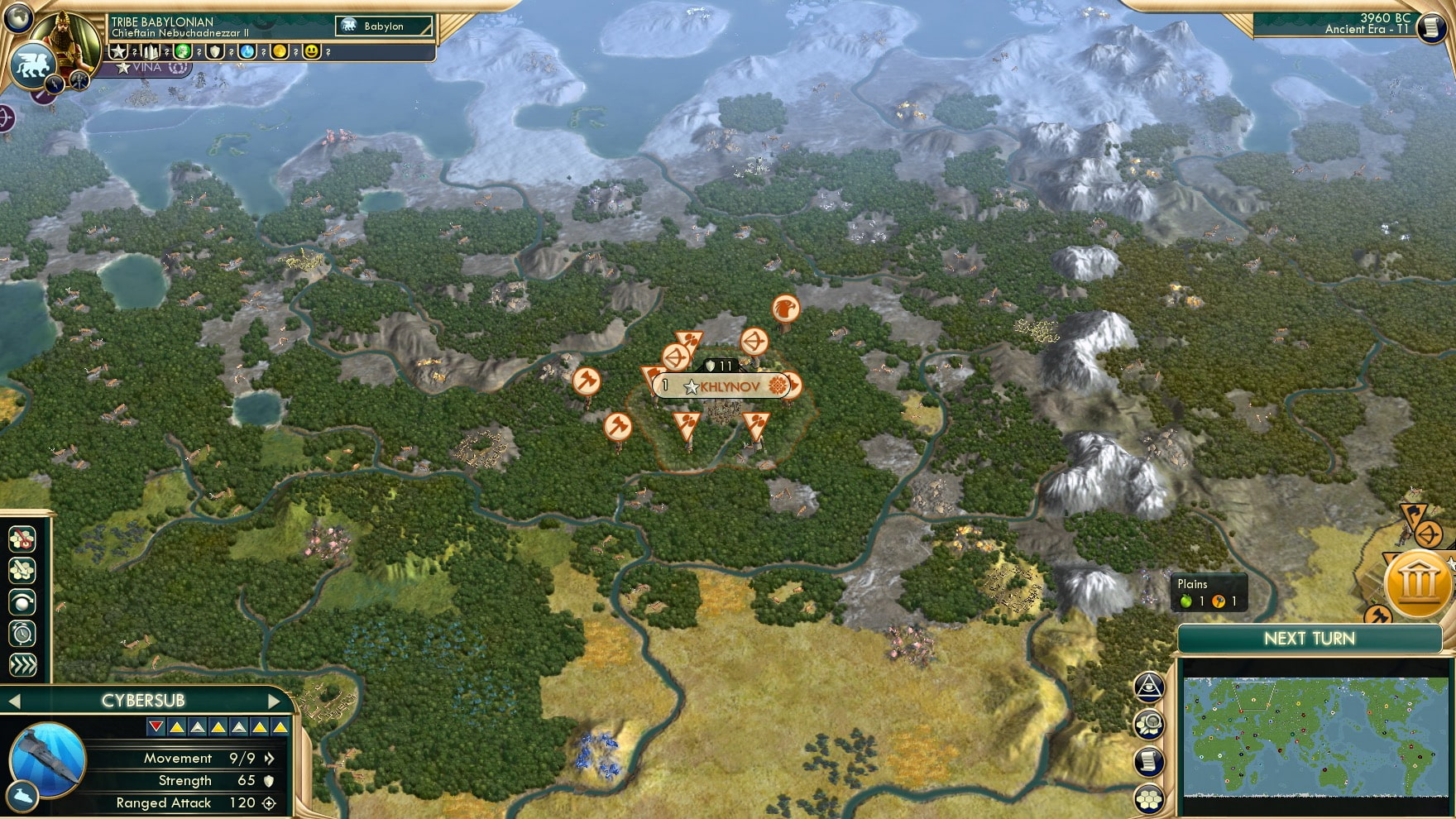
Episode 00: Dramatis Personae – S5

January 14, 2026

Coiot

Viewing: Vertical
1 / 35
CBR In-Game Screenshot of 1

1

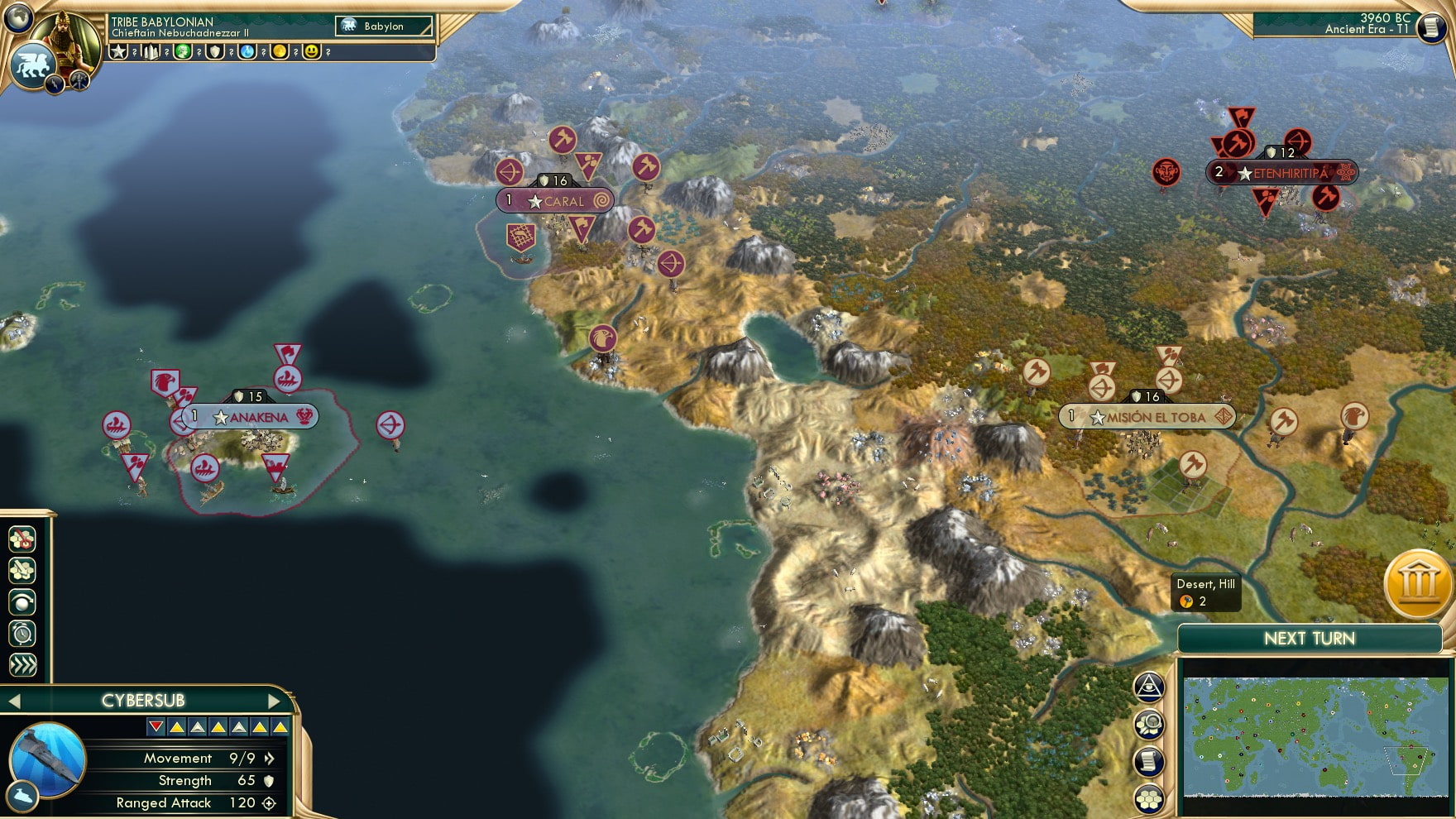
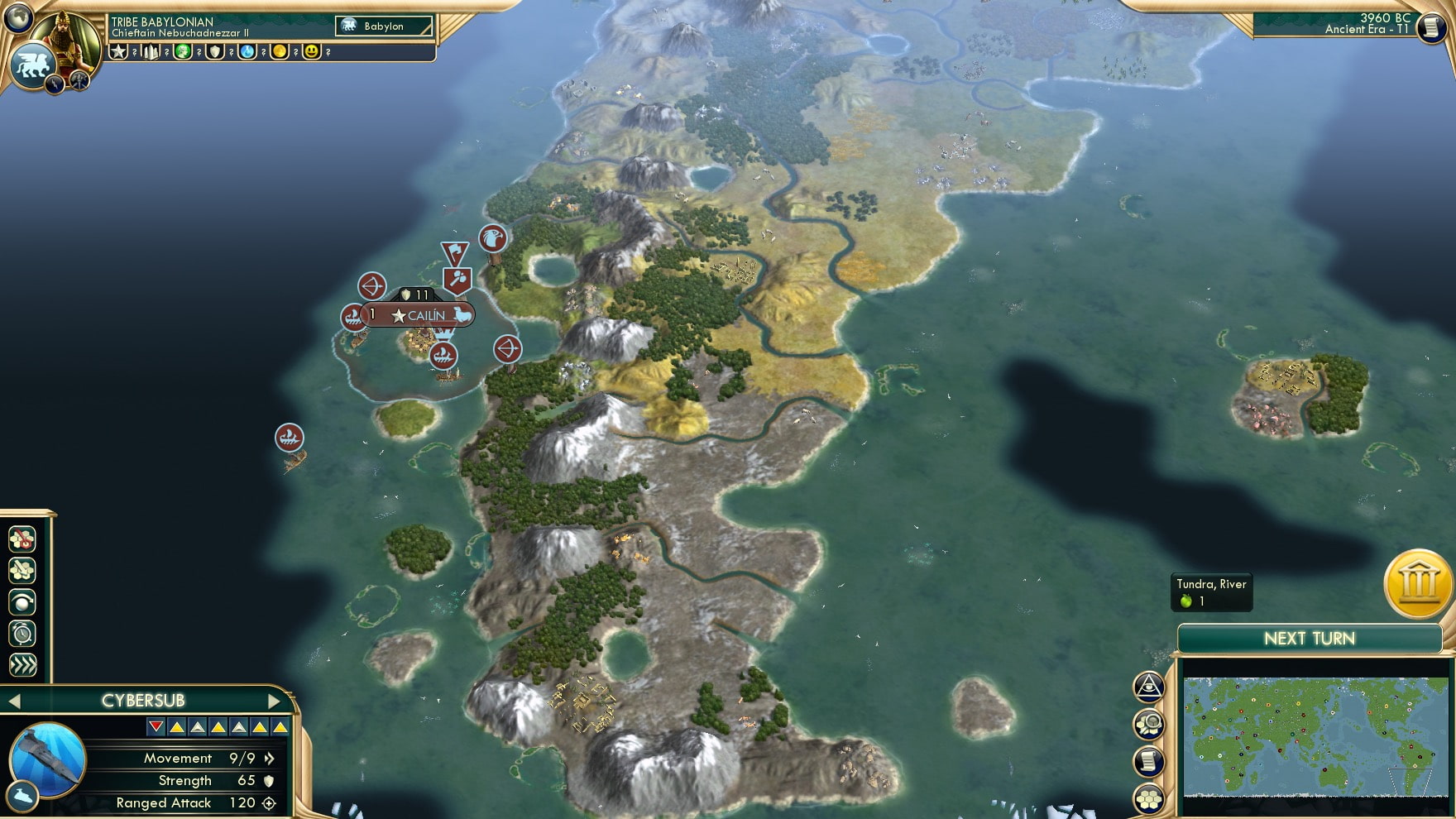
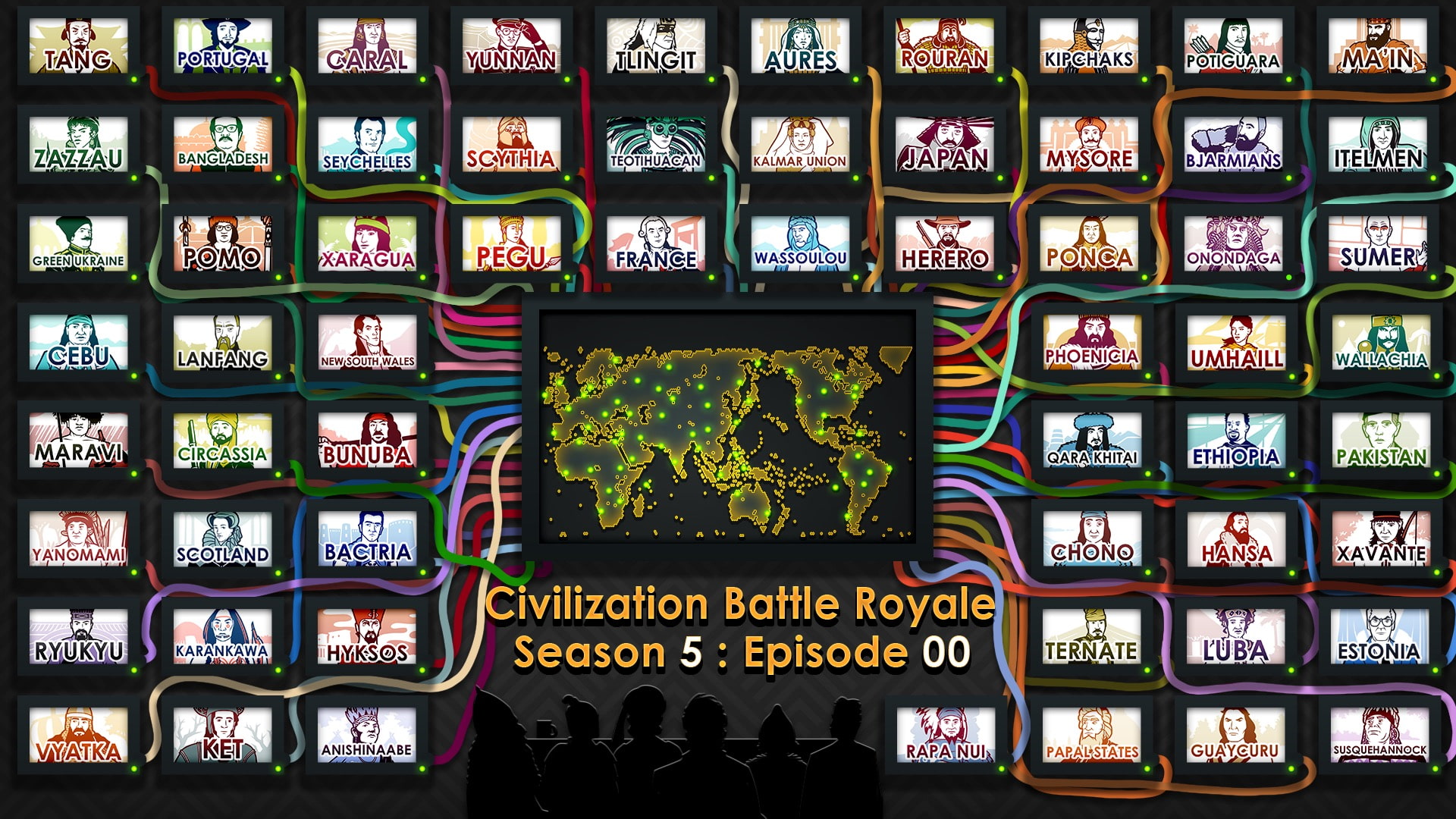
Hello and welcome back everyone for another season of the Civ Battle Royale! This is your show host Coiot, filling in some extra needed time before the first episode to re-introduce you to the voted roster (if you’ve somehow skipped the latest posts on the sub as of this writing) and cover a full view of the map (which includes the every so slight alterations between seasons).

It has been a longer wait than anticipated between the end of Season 4 in April 2025 to now January 2026, though we did have an electric voting season and near weekly “I can’t believe I’m living during this historical moment” things happening around the world to keep us distracted. So while the world potentially burns around us, let us give thanks and be merry as we sit down for the showdown of pixels on screen that have no relevance to IRL problems whatsoever.

CBR In-Game Screenshot of 2

2

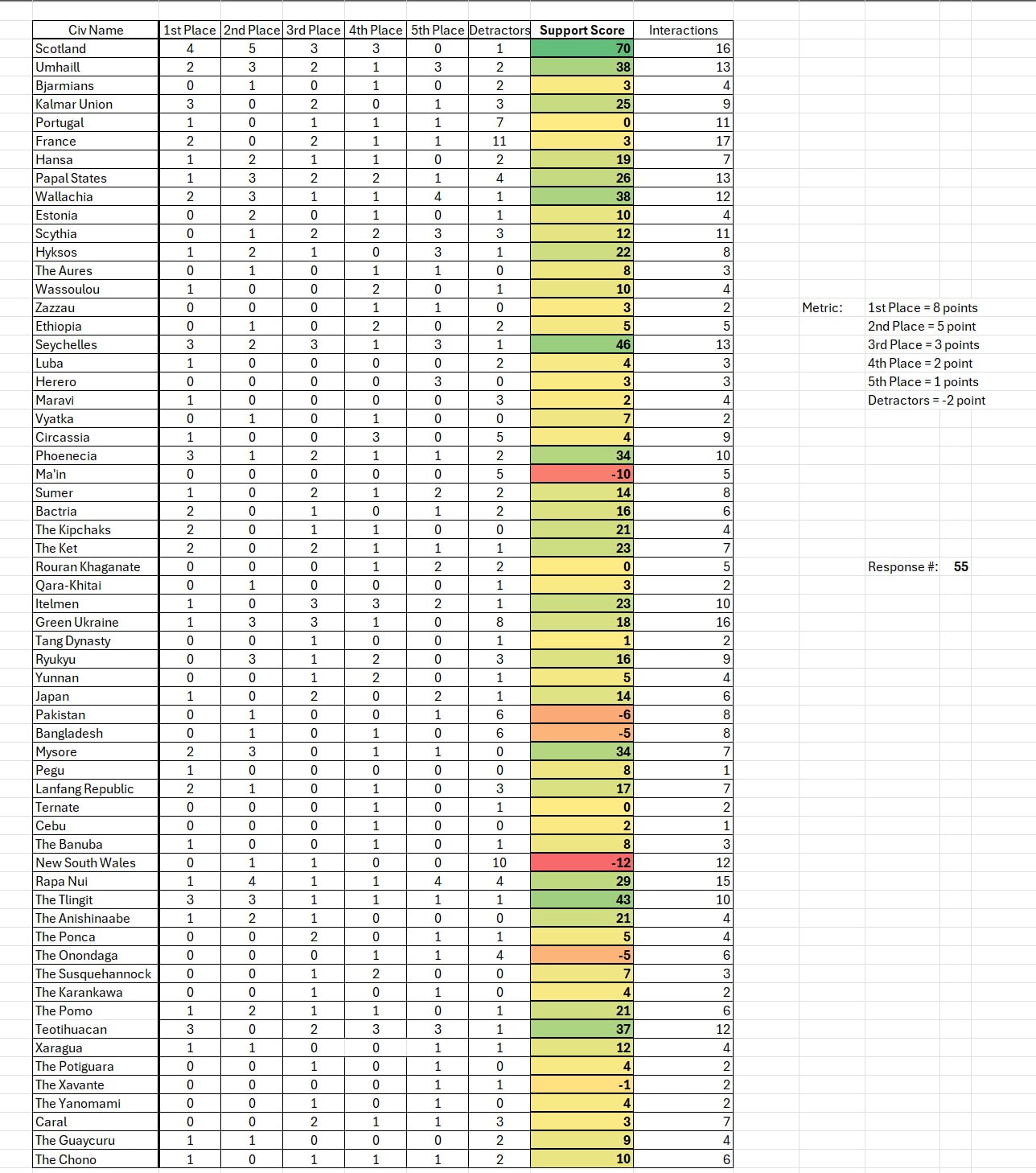
I want to give a shoutout to ECH’s popularity poll that had its results shown just prior to the buildup for this season’s start. If you’re not familiar with all the civs on the list, worry not as we’re about to cover them, but do reference back here or on the sub to see how your favorite (or least favorite) lines up with the audience.

CBR In-Game Screenshot of 3

3

With a dash of nepotism, I want to bring attention to my unit chart for the progression and updated stats of all the non-unique units in the game. I have previously only had rudimentary charts meant for narrators before, but I now several in the audience are still not familiar with Enlightenment Era and Future Era units, so I hope this helps keep everyone informed when they start to pop up on the screen. This year we have removed more Future Era units to condense the amount the audience needs to learn, as well as to condense the final army compositions to make better battle formations. We did however bring back the T-Rex and T-800 terminators as the unique Future Era exclusive Wonder units.

CBR In-Game Screenshot of 4

4

A massive thank you to all the donators that have kept up their pledges throughout this longer than expected gap between seasons! I am with full sincerity grateful to everyone that pitches in anything they can.

Despite the downtime, we did have random spikes of traffic (cheers to people that re-read past seasons from start to finish, I do notice by the traffic!), and the hosting costs remain, so I am very thankful for everyone that continued to support the show even when there was no new content. All the money goes to the show, with any extra going to either the team or for commissioned artwork like our title screen leader portraits. Please consider contributing to keep the show going for another ten years on!

CBR In-Game Screenshot of 5

5

Want to highlight one civ in particular, and for no particular reason, actually. Wow #5, such a blessed number. What a great civ, this.

CBR In-Game Screenshot of 6

6

We get into the game, as always, from the comfort of our Baby sub. Nerds will point out that there are actually two subs now in recent seasons—the other in another location—but no matter here is our hidden mountain fortress of solitude (or at least it will be until it gets filled by this season’s eliminated contestants).  

CBR In-Game Screenshot of 7

7

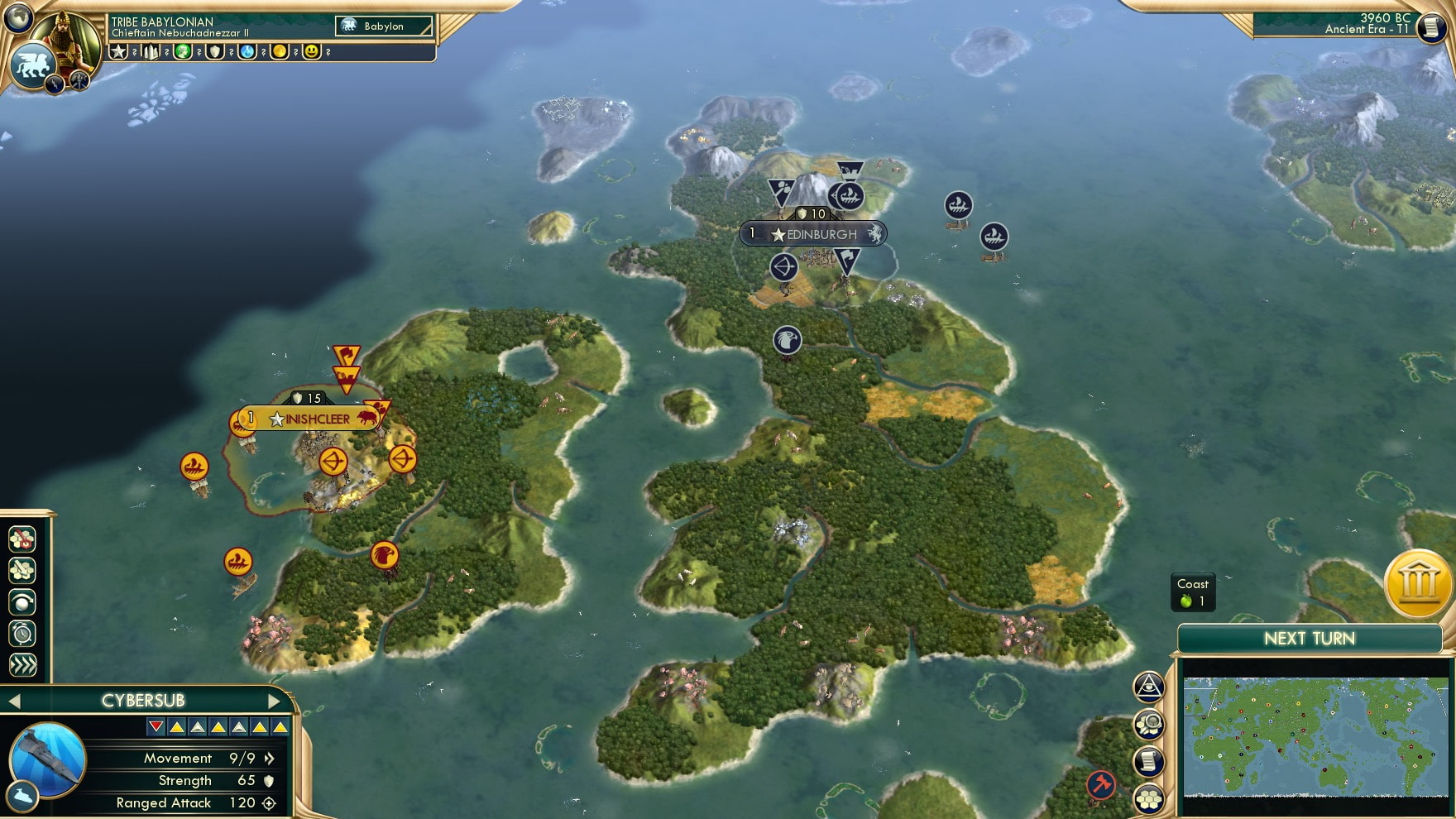
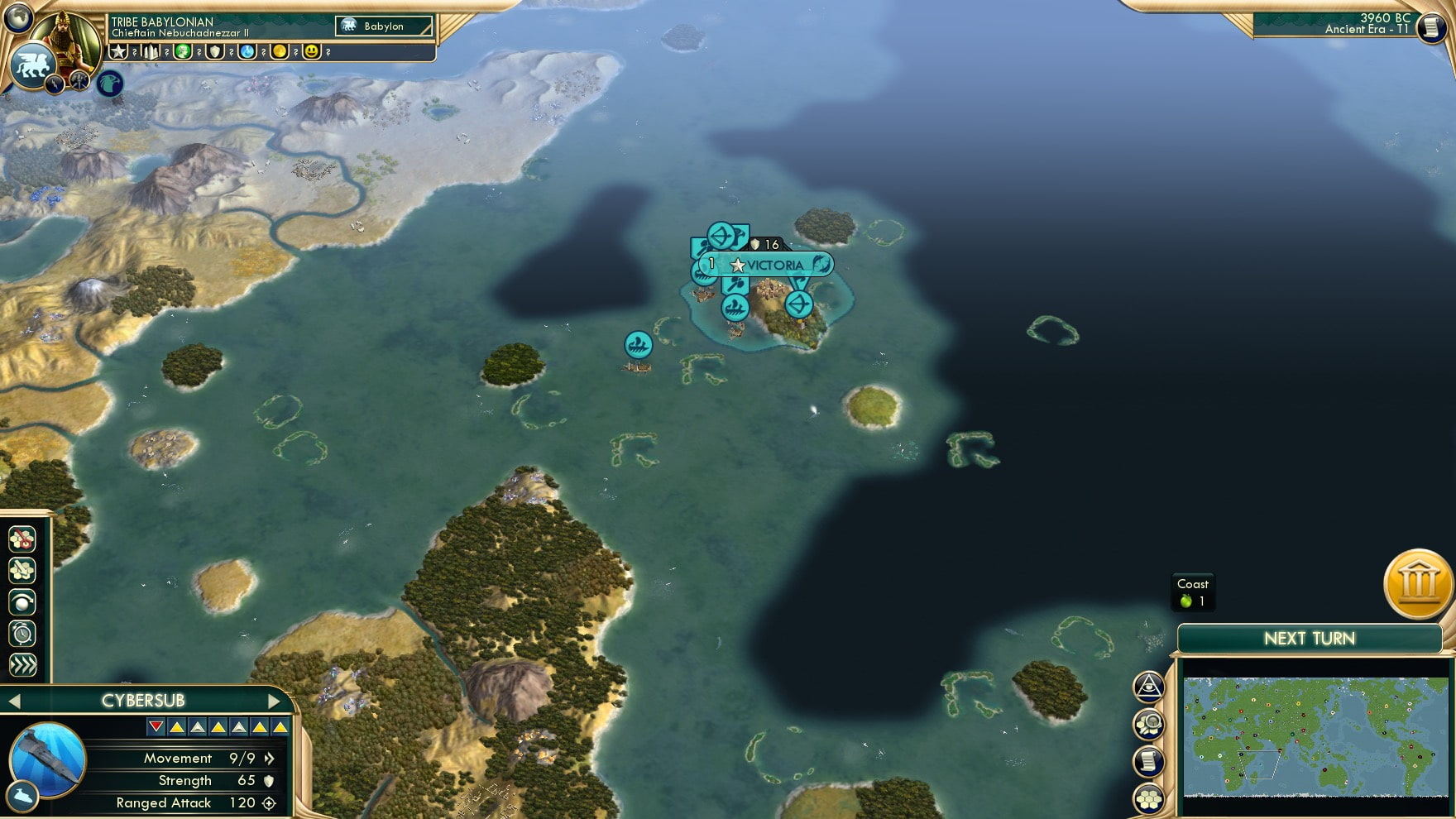
Grace O’Malley, the Irish pirate queen girlboss, sails again. With England out of the way, Umhail is eyeing control of the Isles via naval supremacy. Expect her to turn the Irish coast into a no-go zone for would-be invaders… or at least host the wildest boat parties while pillaging neighbors. She gets boosts from units dying, which feels very House Greyjoy of her.

Sharing the Isles is Scotland, led by Mary I. Voted the most popular civ going into the season, Scotland is hoping to recreate the Faroe Islands’ absurd run without the infamous lack of inactivity until Total War. Mary will hope to paint the Highlands blue and maybe actually expand outside their starting island this time instead of retreating to their golf courses mid-contest. Freedom and whisky for all – especially if it helps them conquer Europe with bagpipes blazing.

CBR In-Game Screenshot of 08

8

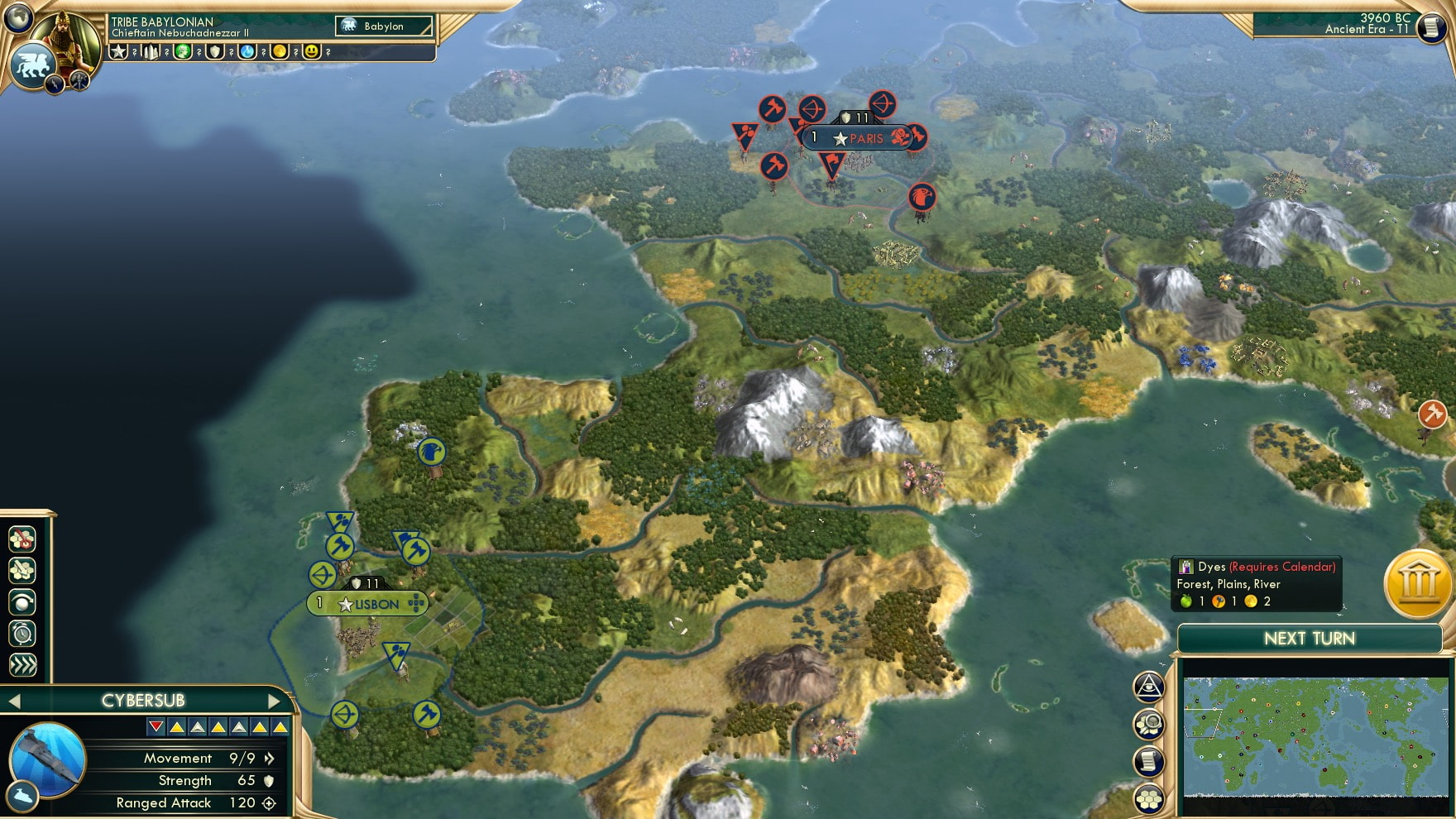
Liberté, égalité, fricassee! France shows up with revolutionary swagger and a very sharp solution to “underperformance.” Led by Maximillien Robespierre, they’re not here to be Europe’s favorite speed bump, they’re here to put the whole continent on trial. Expect big ideals, bigger speeches, and the occasional diplomatic “purge” when neighbors fail the vibe check. Their Guillotine UB may kill their own citizens, but it also levels up their unique National Guard at a rapid rate.

Down below is Portugal, led by João II the “Perfect Prince.” Longtime fans will remember ole chum João from a certain fan favorite comic series. This new Portugal is made to bring ruthless efficiency and a nautical obsession that screams “maps are just suggestions.” Expect early exploration, aggressive settling, and a trade empire that somehow funds another fleet you didn’t see coming.

CBR In-Game Screenshot of 09

9

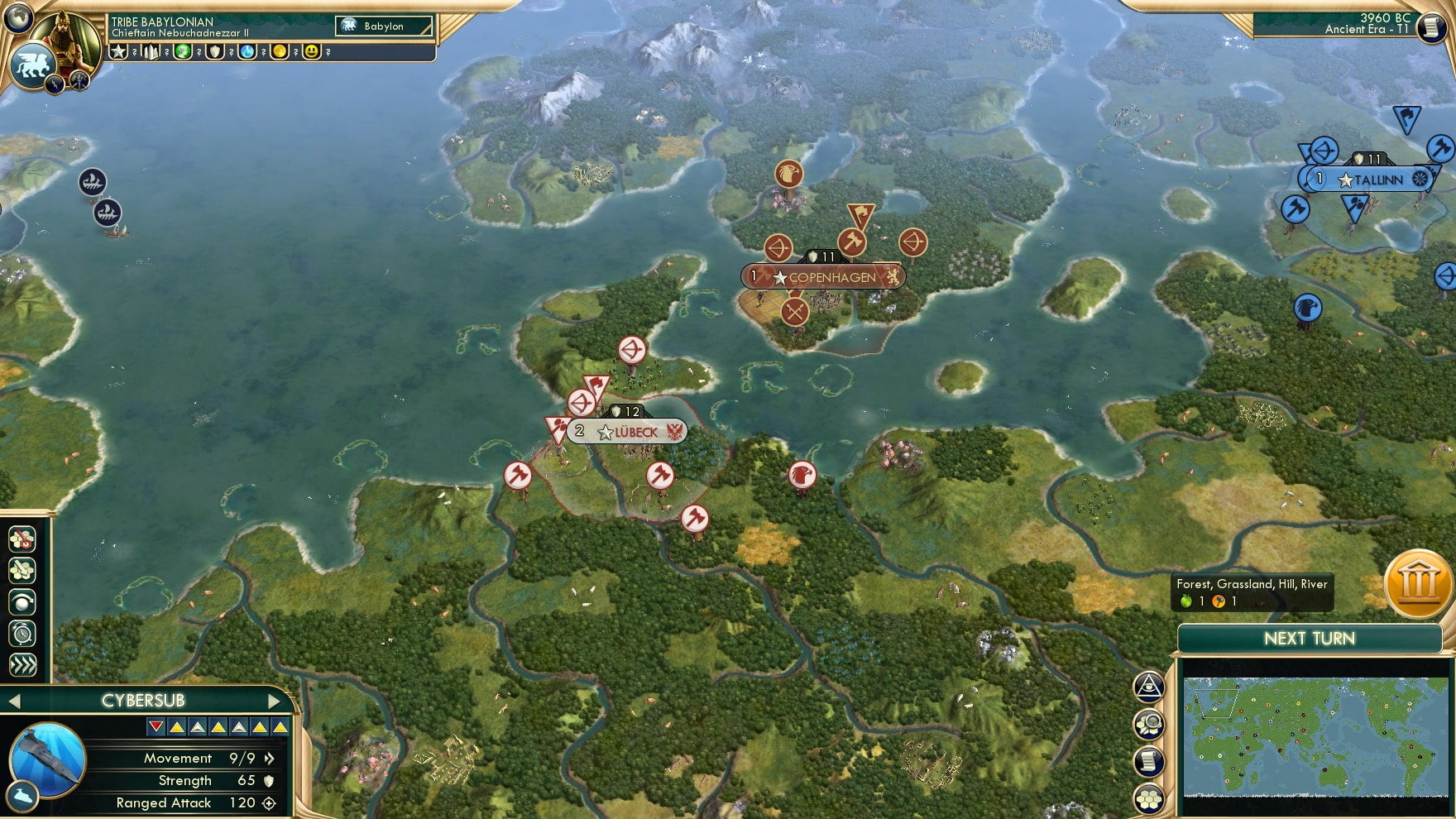
Welcome to the merchant empire. The Hanseatic League, led by Jürgen Wullenwever, is a civ that runs on spreadsheets, ship manifests, and the sheer power of “actually paying its bills.” Wullenwever leads a mercantile machine that unfortunately sees most of its bonuses mute without the presence of city-states. However, expect a web of fat coastal cities, opportunistic naval bullying, and wars started for the pettiest possible reason: “you threatened our shipping lane.”

The Kalmar Union, led by Margrethe I, finally enters the competition after years since being teased for Mk3. Margrethe I will hope to duct-tape the reputations of Denmark, Norway, and Sweden into a single frosty juggernaut and then “peacefully” expand by reminding everyone that the North Sea is basically her driveway. In theory, if they can get past the early regional hurdle of “hey guys we actually have a lot of tiles for ourselves” settling phase, they can snowball into a Nordic bully.

And just on the right edge of the screen is Estonia, led by Lennart Meri. Estonia comes into the fray with sisu (grit) and maybe some Singing Revolution magic. This Baltic underdog (well maybe, Lithuania and Latvia did shut us up) will try to show the big empires that a small nation with Skype and determination can punch above its weight. Inside joke: if they build an immense smoke sauna wonder, don’t be surprised, it’s how Estonians conquer cold wars.

CBR In-Game Screenshot of 10

10

Oh! Almost forgot Bjarmia! An obscure medieval Arctic tribe turned civ, the Bjarmians are as mysterious as they come. Hailing from the far north, they have snow in their veins and legends of trading walrus ivory for weapons. Their snow and tundra bonuses might make them surprisingly strong up there in the cold, so if you’re inclined to make “Winter is coming” jokes a decade on, look no further since they’re the northernmost civ on the map this season.

CBR In-Game Screenshot of 11

11

Back in the Mediterranean, starting on the left we have Aurès led by Dihya. Dihya doesn’t do “submit” and is more the “try it and find out” type, having turned the Aurès IRL into a nasty chokepoint full of ambushes and bad decisions for anyone marching through North Africa. Expect initial defensive play that turns into sudden counterattacks across the open southern terrain when neighbors inevitably overextend.

In the Italian peninsula is the Papal States led by Julius II. The Pope swaps robes for combat boots as he hopes to lead the Papal States to glory. Armed with blessings and excommunications, he’s ready to crusade across Italy and beyond. The Papal States uniques hint on an attempt on converting as many cities to his religion to fatten them up with followers. Whatever faith that may be, many of us will be praying for it.

Our Balkan representative this season is Wallachia led by Vlad the Impaler, also a longtime coming civ missing out on the spotlight with Mk 3. Wallachia is finally in the house, and yes, he’s sharpening the stakes to turn pesky neighbors into kebabs. If Wallachia starts conquering, expect all the other leaders to sleep with a garlic necklace on.

CBR In-Game Screenshot of 12

12

To the east we have Scythia led by Ateas. If you see dust on the horizon, it’s the Scythians… but this time it’s their trans priestesses smoking fat joints. Ateas brings peak steppe energy: endless horse archers, shameless raiding, and the firm belief that this starting location merits respect. In past CBR logic this means they’re either a terrifying early snowball that devours half a region before anyone can react, or a glorious burnout that picks fights with everyone and gets dogpiled into the grass.

Ready to upset the Scythians is Circassia led by Ismail Berzeg. The Caucasus’ hard mode civ: mountains, stubbornness, but a national hobby of making empires bleed for every inch. Ismail Berzeg leads with “you can try” energy, perfect for turning their narrow passes into meat grinders and making bigger neighbors regret ever pathing through their terrain. Expect gritty defenses, but softness to their south gives them room to breathe, so they can flip from mountain holdout to regional menace before anyone realizes the underdog stopped being cute.

CBR In-Game Screenshot of 13

13

A screenshot that says it all. Vyatka, led by Ioann Anikiev Myshkin, was a Russian principality that took a wrong turn into Asia. Starting in one of the most enviable starting positions, they have one of the largest initial open land tiles up for grabs (voronoi projections can confirm). Their plan will be to channel their inner Khanate and expand into the vacuum. Longtime fans recall that this region produces monsters; now Vyatka says “hold my kvass” as they’ll attempt to do even better.

CBR In-Game Screenshot of 14

14

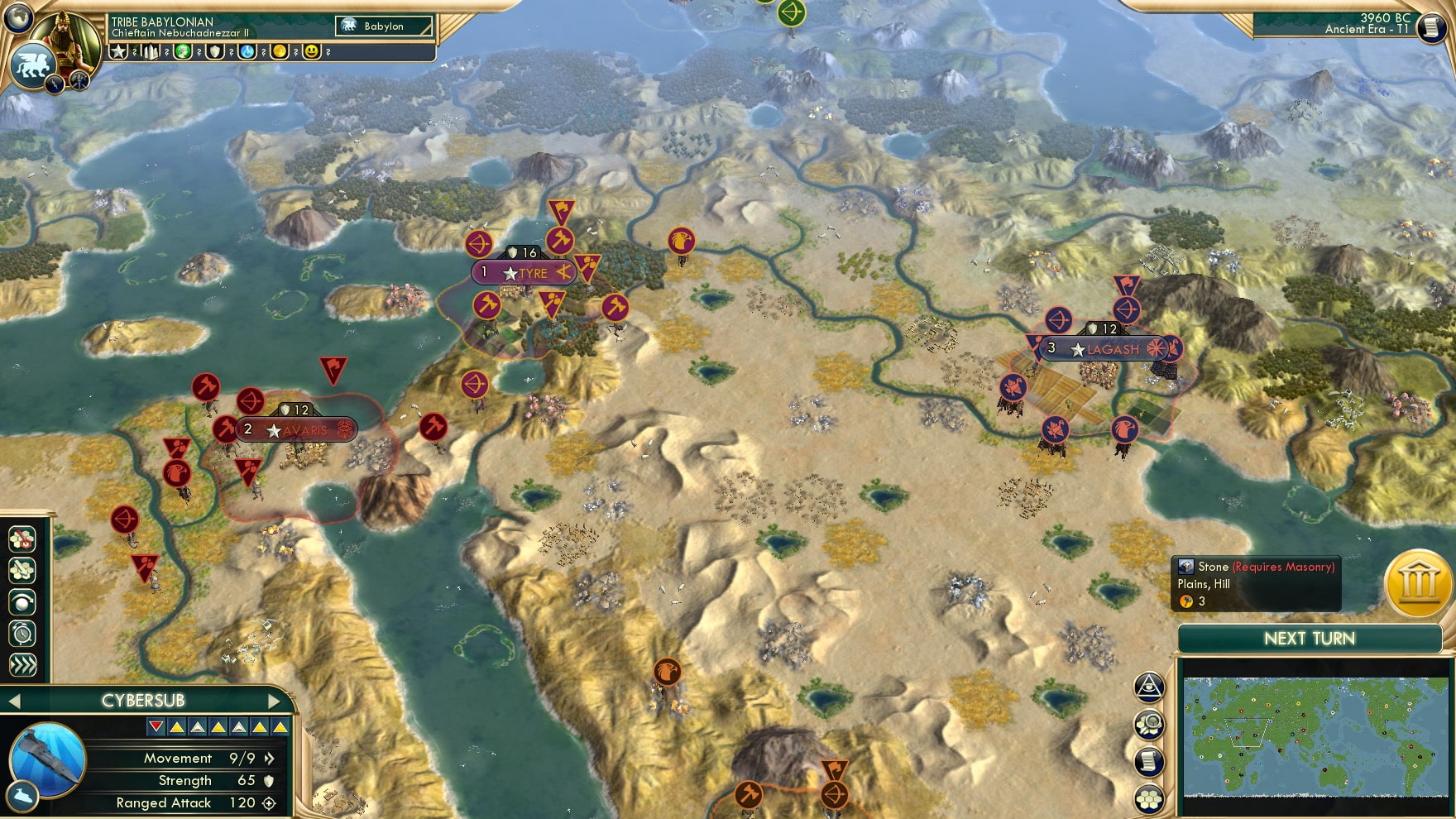
Moving south we have my love the Hyksos led by Apophis. These ancient invaders of Egypt set up shop at the Suez and are determined to break the “Egyptian Curse” of getting curb-stomped early. With their chariot archers ready, the Hyksos hope to do what Cleopatra never could: conquer the Nile and hold it. They’ll try to avoid turtling in Avaris, and if not, we’ll at least have an eternal canal city.

Next is Phoenicia led by Hiram I. Hiram hopes to do what Phoenicia does best: turn coastline into cash and cash into conquest… but Phoenicia has one of the worst starting locations in the game. Cursed to be voted in with not enough sense to match their popularity, it is hard to expect an upset, but in the CBR anything can happen. Phoenicia is the civ you ignore because they will look small on the map, and many will hope that they can defy the expectations and be the mercantile empire they strive to be.

Finally is Sumer, led by Eannatum. The OG empire-builder shows up with a very modern idea: your city is now a border dispute. Eannatum brings early-game brutality worthy of their “first recorded war” fame. Expect fast expansion along rivers (their uniques’ speciality) and a complete lack of patience for neighbors who think they can get a quiet start *cough* Phoenicia *cough*. In CBR terms, Sumer might be a civ that starts a historic rampage… then gets introduced to “midgame tech” and humbled.

CBR In-Game Screenshot of 15

15

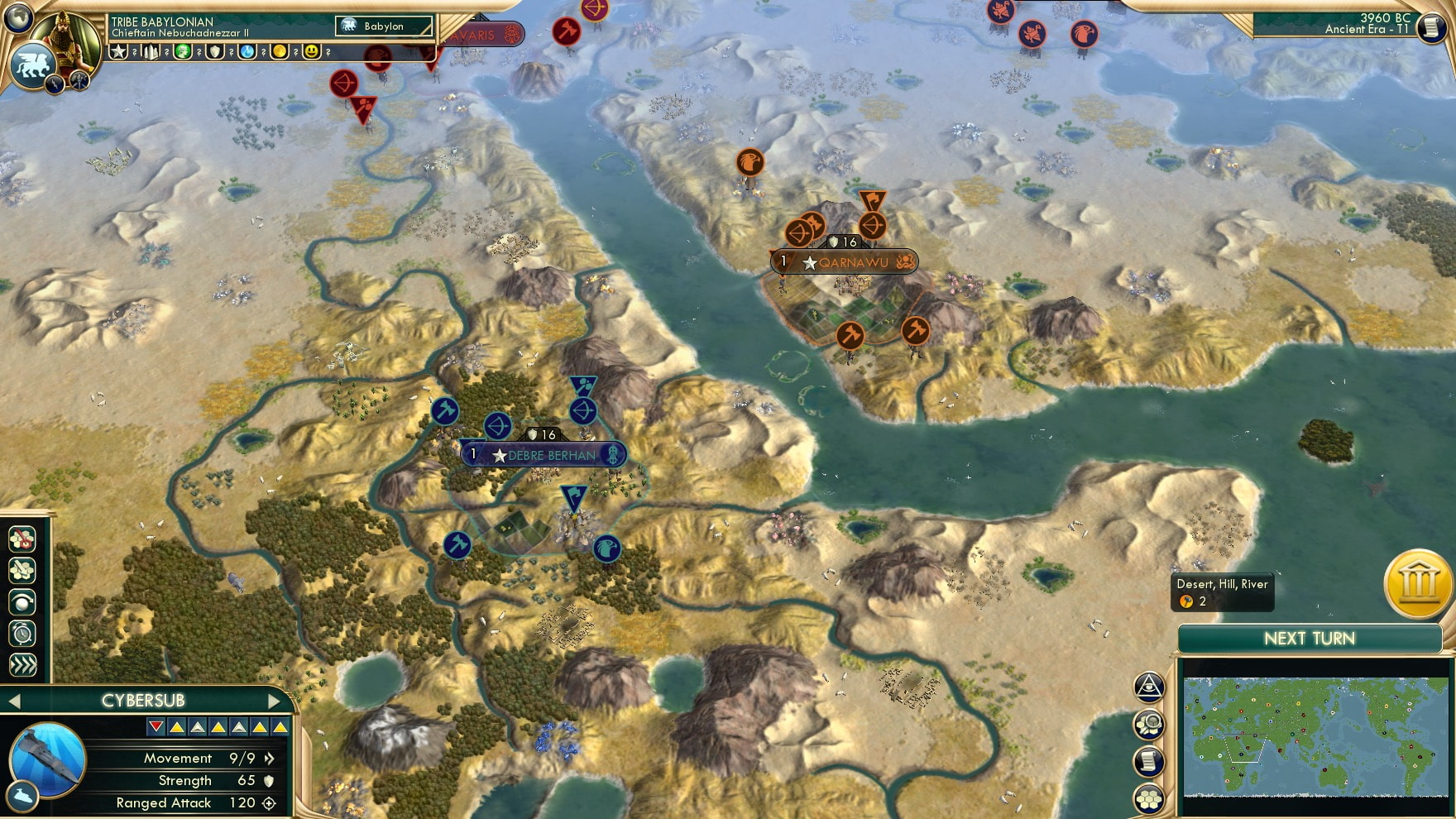
The highland fortress returns with a king who treats theology like a weapon and mountains like moats.  Ethiopia returns, led by Zara Yaqob, here to build a pious, stubborn empire (with a Great Writer twist). Ethiopia is the civ that will build a strong and stable core, exist with the moral certainty of someone who’s already written their own victory chronicle, but is a wild card through and through.

In the Arabian peninsula, we have Ma’in, led by Waqah'il Sadiq I. Ma’in is all about incense and trade… and maybe snoozing neighbors to death? Preseason gossip says they got zero supporters, except for your contrarians, for being an unknown boring pick that snuck in on masterclass campaigning. Despite not being prophesied to be the regional doormat, the sub’s popularity contest has already determined Ma’in to be the second least loved in the roster. Well at least such a perception means any positive move will be met with praise.

CBR In-Game Screenshot of 16

16

Opposite in the popularity charts is Seychelles led by France-Albert René. Tiny islands, huge audacity. France-Albert René rolls in with the “coup → consolidate → chill” agenda, turning paradise into a fortified tax haven with a navy civs will forget to scout until it’s eating their coastal cities and flipping their boat’s colors. Expect peak island gremlin play: settle every rock, turtle behind boats, and quietly lie on the beach while the mainland burns. So, Seychelles is either an unkillable mosquito in the Indian Ocean or a late-game spoiler that wins by striking when no one is looking.

CBR In-Game Screenshot of 17

17

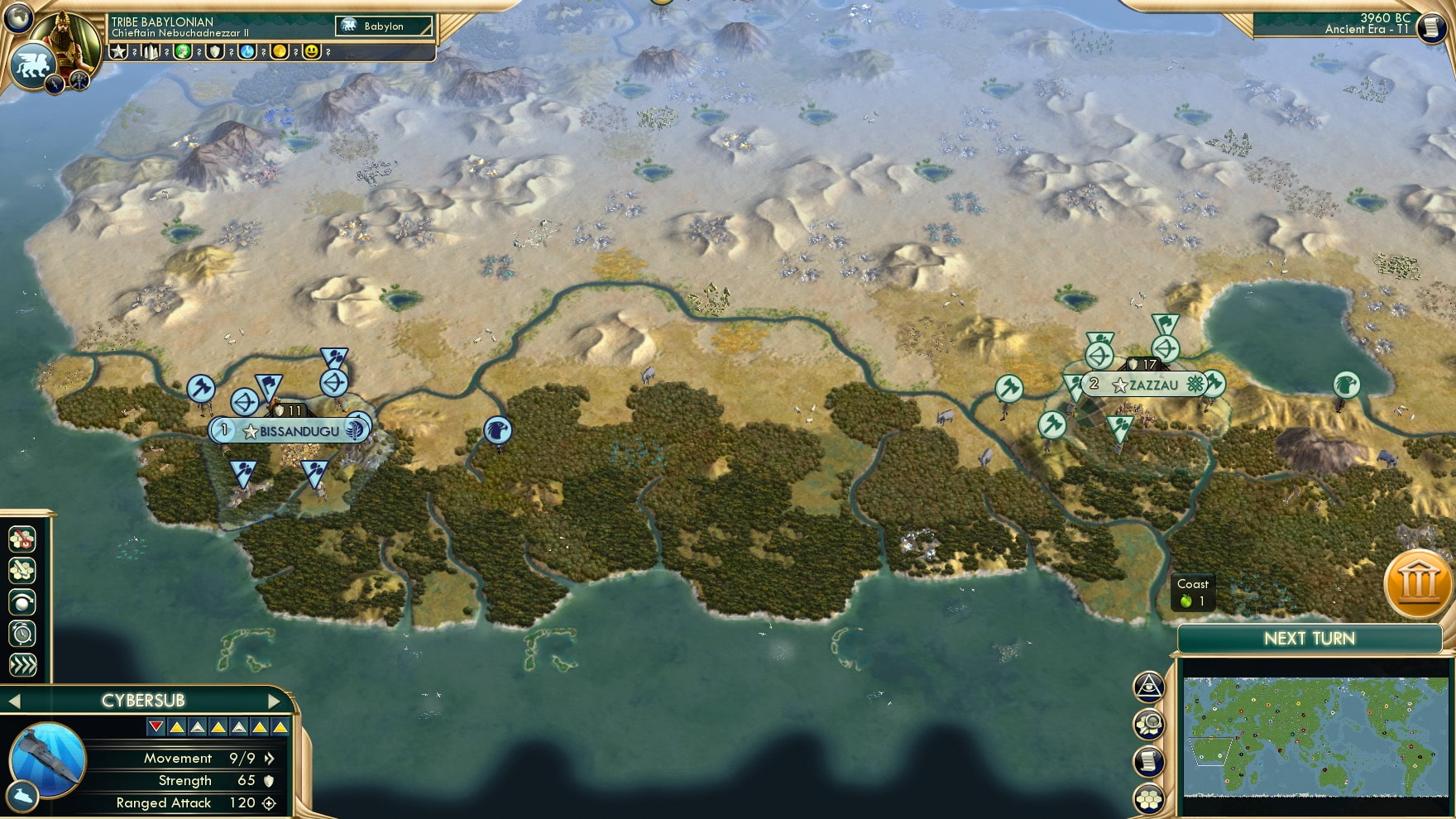
Scooting way over to West Africa is Wassoulou led by Samori Touré. Samori Touré shows up to the competition knowing “I’ve fought empires before” and will certainly build a respectable one of his own. Expect rapid militarization and a routine for turning captured territory into a war factory. In CBR terms, Wassoulou is primed to be a terrifying inland empire that bulldozes neighbors before they can tech up, or the civ that drags half the region into a grinding war of attrition… and somehow comes out stronger for it.

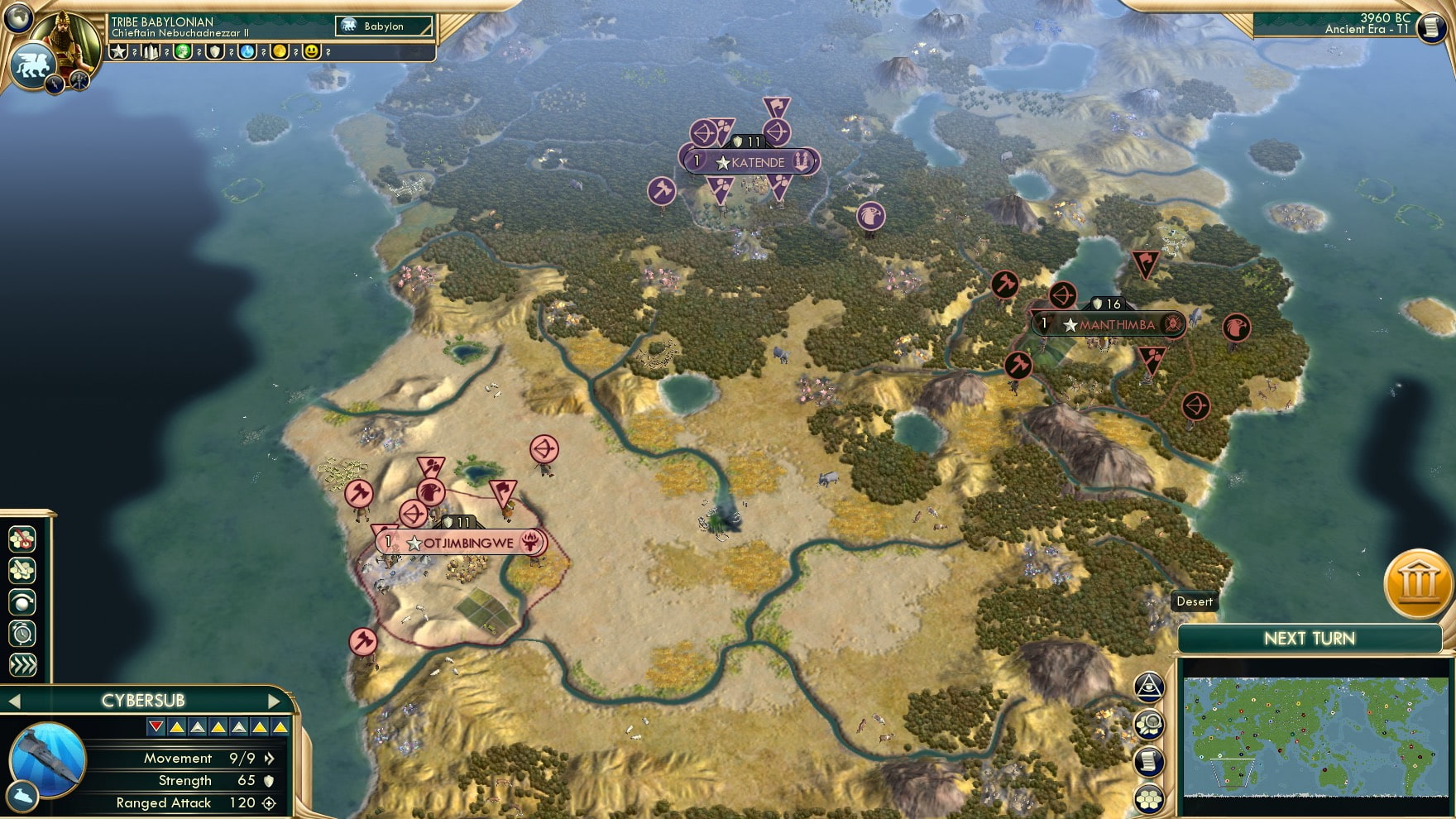
Ready to counter them is Zazzau led by Amina. Queen Amina rides in with the plan to build the toughest walls (outside of Asia… more on that later) and break everyone else’s. Zazzau’s famous for fortifications and conquest, and Amina’s not here to play nice, so expect fast regional expansion, tough defensive cities, and cavalry-led pressure that makes neighbors feel like they’re always one turn (and tech) behind them.

CBR In-Game Screenshot of 18

18

For the rest of Africa we first have the Herero led by Jakob Morenga. The legendary resistance leader makes his return to the competition, and in round two he’ll wish to turn now wide-open land into opportunistic strikes on overstretched neighbors (the opposite of his situation the last go around). So at the very least, Herero is the civ that refuses to go quietly; even if they have a bad start, they’re going to be taking your cities and your cows.

Next is Luba, led by Ilunga Sungu. Central Africa’s quiet contender, Luba has the makings of a kingmaker being nestled in the middle of the continent with a squished voronoi projection compared to their neighbors in all directions. Regardless, expect solid growth, smart positioning, and midgame momentum once the early chaos clears (if they survive, that is). Until then, they will be filling their shelves with Great Works, and leaving enough room to start collecting neighbors like trophies when the time comes.

Last is overlooked and underappreciated Maravi led by Kolonga Mazula. Maravi is a sleeper threat that will play the long game: steady expansion around the lakes, solid production, and the kind of quiet buildup that makes neighbors underestimate them. Expect opportunistic wars when someone else is distracted and an ability to turn small conquests into rapid expansion. No flashy theatrics, just efficient empire-building waiting for one good power spike.

CBR In-Game Screenshot of 19

19

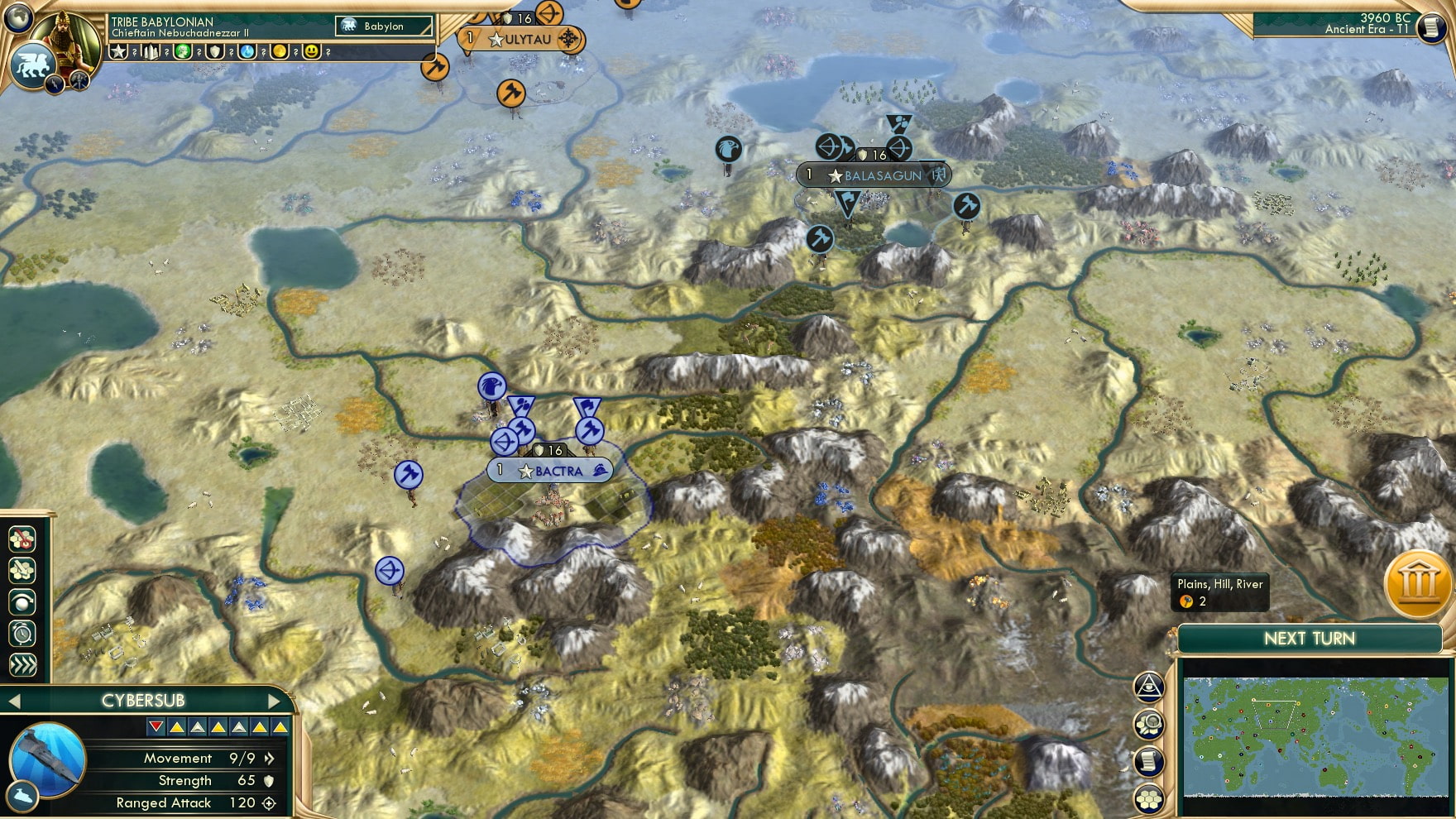
In Central Asia we have Bactria led by Demetrius I. The Greco-Indian wildcard darling loved for being “Hellenism, but East” has always been a runner-up and finally makes their CBR debut. Demetrius I has a tough position that can hope to exploit his conquest-heavy uniques into early momentum. Expect a solid core from them in mountain passes, but if they don’t expand quickly out from them expect opportunistic wars in every direction, since they are right in the middle of the continent. If Bactria is bold from the start, they can be the ultimate high-risk, high-reward civ that can snowball into a Silk Road bully.. or they can become an attractive archaeological site by Turn 200.

Up along the mountain range is Qara-Khitai, led by Yelü Dashi. The Qara-Khitai Khanate brings a slice of displaced Chinese royalty to Central Asia. Think “exiled Liao dynasty sets up shop on the steppe” but have the cataphracts to ride alongside any horde. An unfortunate reliance on city-states to make full use of their uniques, but the Dzungars had the same issue and managed to carve a decent chunk of the map.

CBR In-Game Screenshot of 20

20

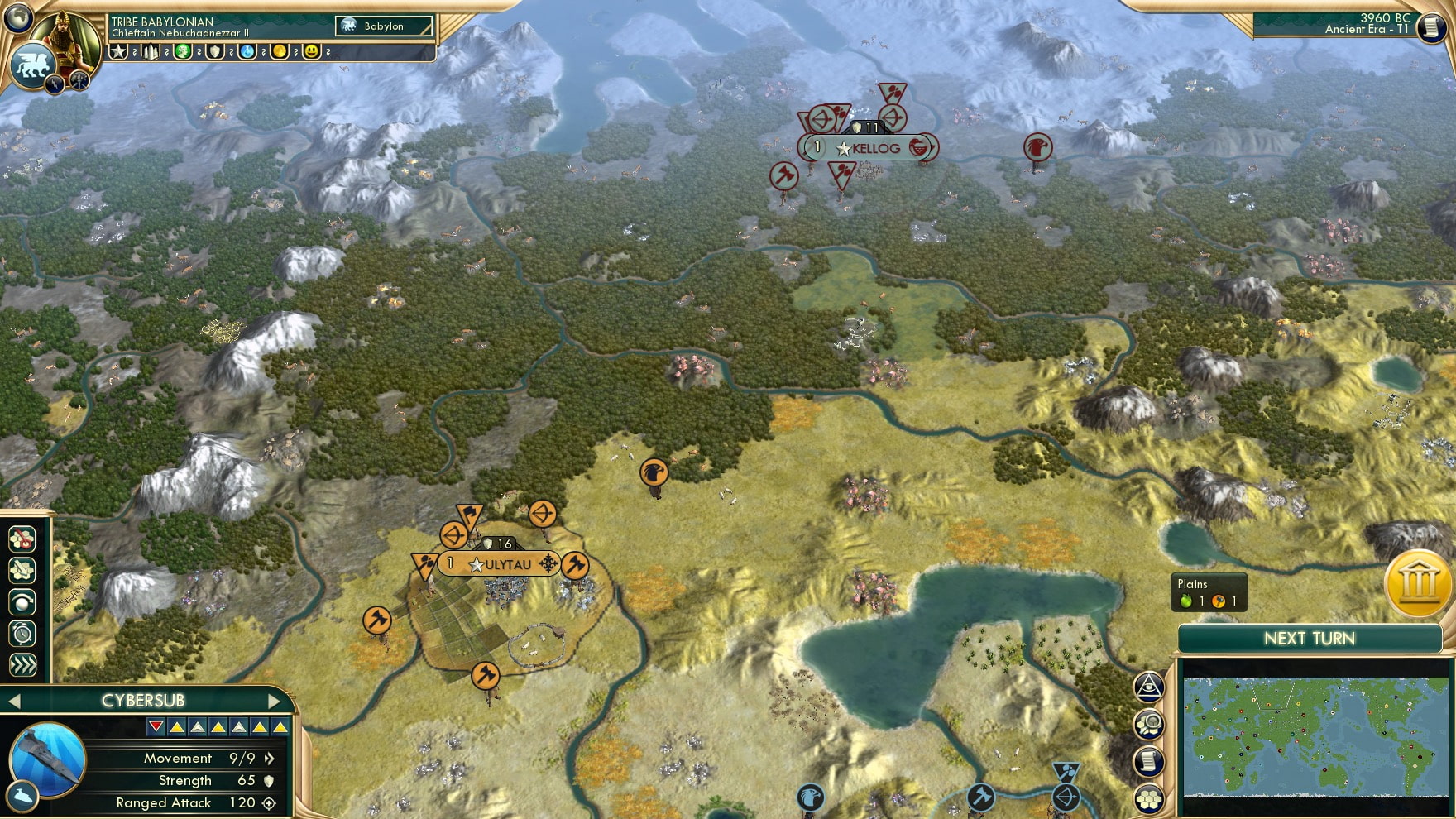
Teased and up above are the Kipchaks led by Togortak. Hoping not to be (yet) another steppe horde, Togortak leads a horse-heavy powerhouse built for raiding, and due to the nature of the terrain, expect constant skirmishing with their neighbors. Being favoured to do well in warfare has earned them a high initial power ranking, but they are surrounded on all sides with wide open spaces, so it can all go wrong really fast for them. Something to watch out for is their unique ability to send out their units as mercenaries to other civs, and they will return back as stronger versions.

Further up still are the Ket, led by Olgit. Siberia’s stealth pick, now sporting the lovely loon icon, they are remote and hard to kill if the map forgets they exist. Olgit leads the Ket from the Taiga along the great rivers, where cold is a lifestyle and supply lines go to die. Expect a “survive first, thrive later” game from them as they tend to settle wide on tundra / forest. Ket is the civ that starts with a decent rank solely because they are guaranteed to reach the mid-game, at which point they might go from being mentioned once per episode to maybe even twice!

CBR In-Game Screenshot of 21

21

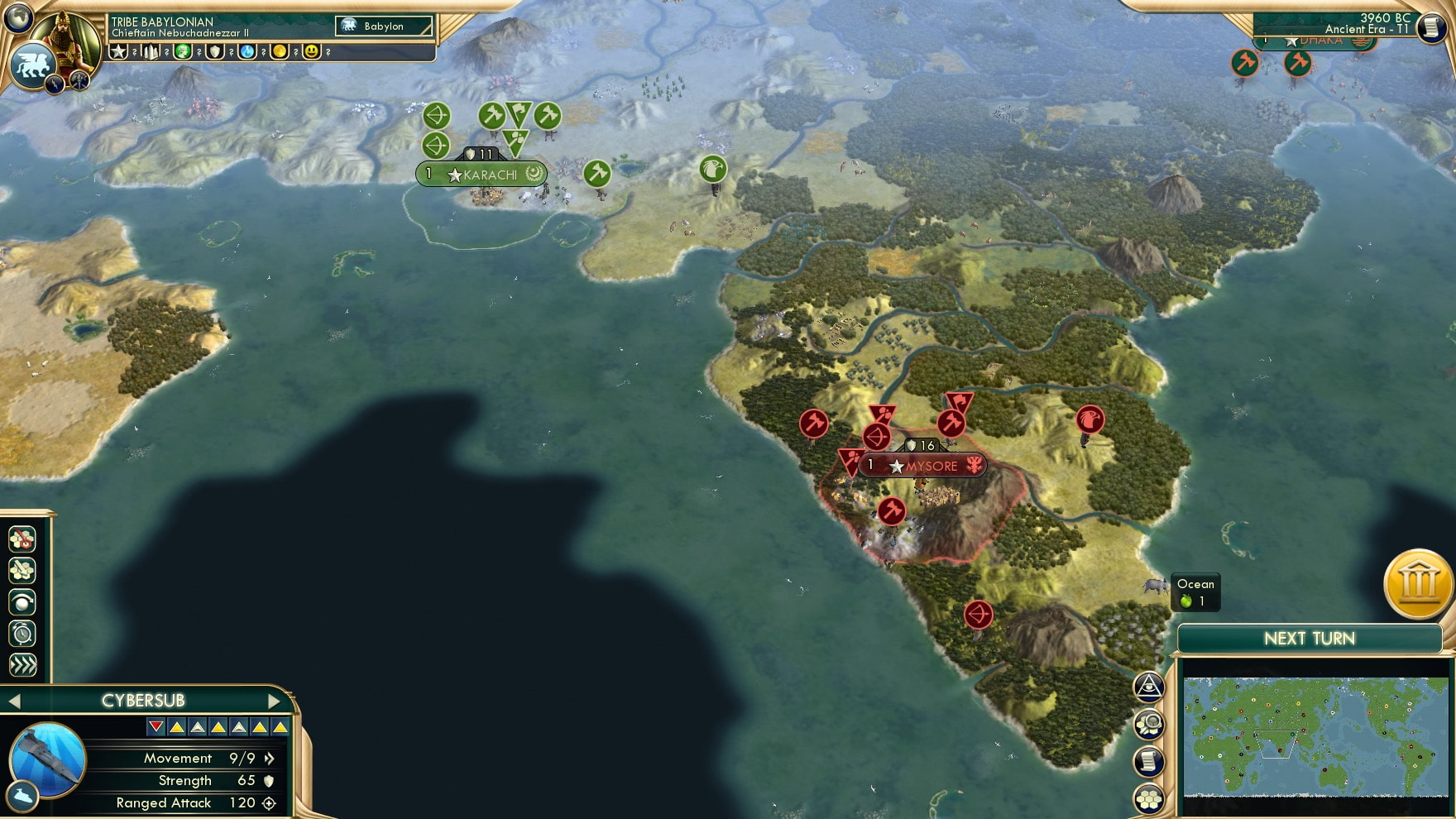
Moving to South Asia we have Pakistan led by Muhammad Ali Jinnah. Pakistan struts in surely on stronger promises than Harappa which sadly flopped last season [Lacs’ note: slander towards the awe-inspiring Harappans will not be tolerated]. With a unique tile grabbing bonus when converting foreign cities to their religion, Pakistan intends to dominate the Indus and beyond. Preseason tests hint at their general strategy being assured with the helping aid of holy wars, but it is dependent on how the religious landscape plays out around them. Even so, it’s a neat gimmick that can strangle religious opponents.

Next is Mysore, led by Tipu Sultan. The Tiger of Mysore is ready to rocket (literally, he has lots of rockets) into contention. South India’s industrial early-bird plans to annoy the cylinder by picking fights for the science bonus when starting wars and fending off larger neighbors later in the game as they did against the British IRL. If Tipu can channel his inner tiger, he might turn Mysore into a tech-savvy military state, even if trapped on the southern part of the Indian continent. Fingers crossed this audience favorite gets to nukes, then the missiles will really start flying.

CBR In-Game Screenshot of 22

22

Slightly to the east we have Bangladesh, led by Sheikh Mujibur Rahman. “Bangabandhu” shows up with pure independence-era determination and a river-delta start that’s either a paradise or a death trap, depending on how others settle on the west and east. A focus on Golden Ages and WLTKD boosts could mean that by mid-game suddenly the tall civ trying to blend in with the background will develop into a powerhouse behind a wall of rivers.

Lower still in the power rankings is Pegu, led by Shin Sawbu. The Warrior Queen of the Mon is here to prove Pegu isn’t just “elephants and a funny icon,” it’s a coastal trade kingdom with teeth. Shin Sawbu brings pagodas, ports, and the kind of simple competence that can turn mainland Southeast Asia into a respectable engine… if their insular counterparts leave them alone that is. That’s a big if, mind, and most expectations are that Pegu might be more bottom than top.

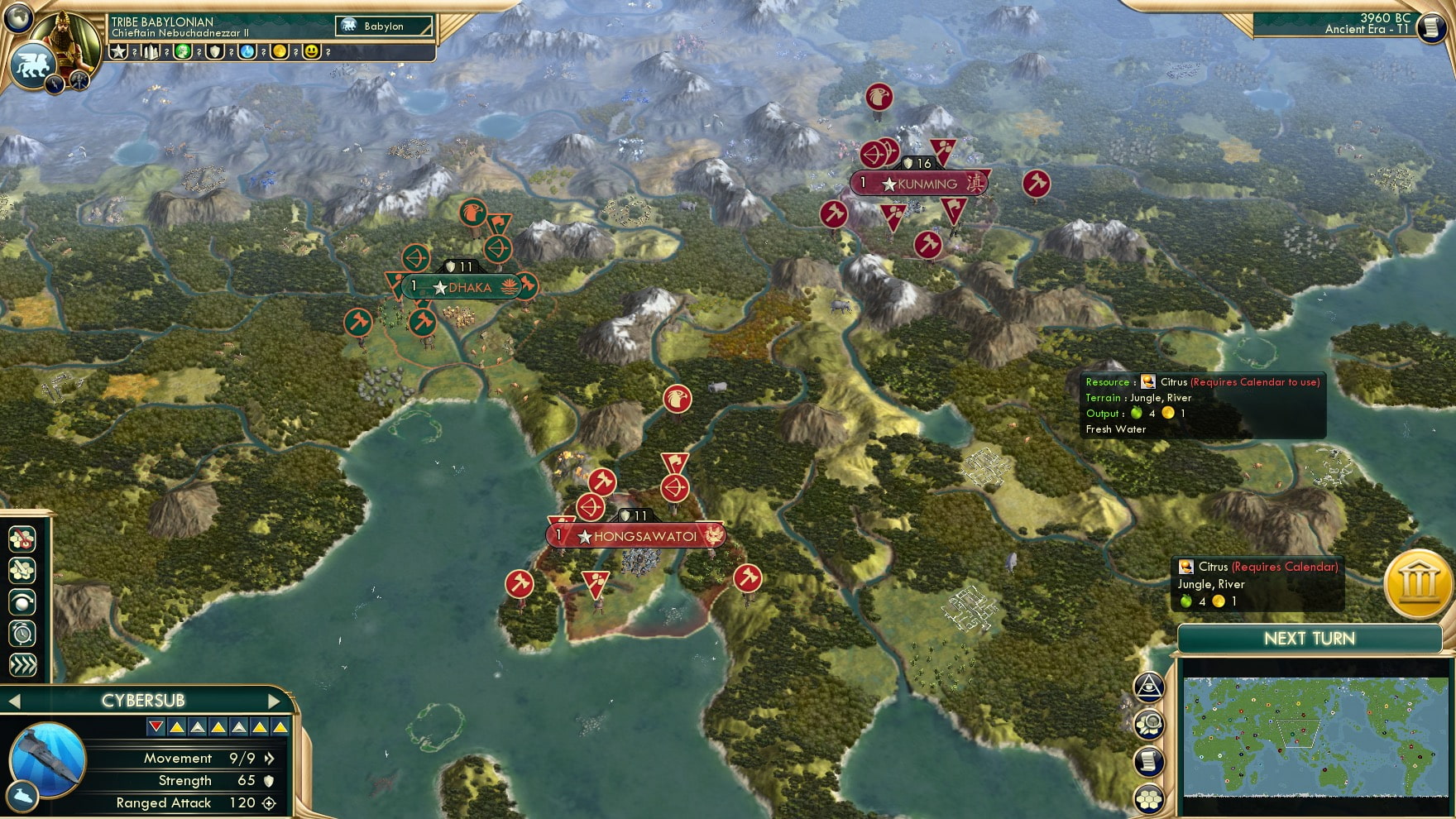
Up above, 40 places in the rankings in fact, is Yunnan led by Long Yun. The “King of Yunnan” enters the competition as our first warlord era leader and a mountain bunker that screams “good luck invading.” Long Yun thrives on rugged terrain, defensive chokepoints, and absurdly strong defense bonuses that might make their capital unconquerable. Along with that, due to a bit of a void on the map, expect efficient expansion and opportunistic grabs when neighbors fight. In CBR terms, Yunnan is unlike past classic mountain sleepers; they will spill out of the highlands and contest everything.

CBR In-Game Screenshot of 23

23

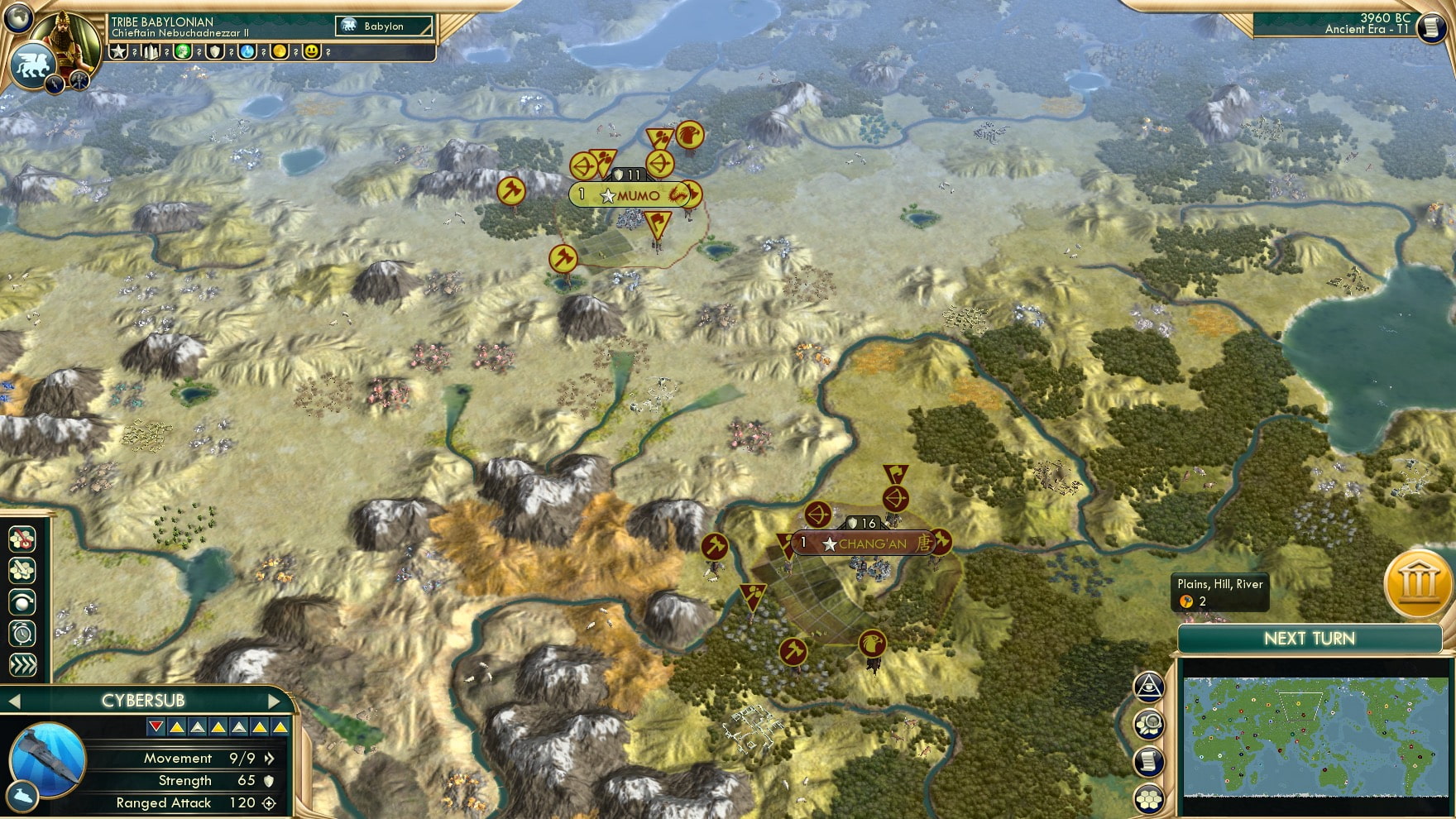
To the north we have Rouran led by Yujilü Mugulü. Steppe juggernauts with a resume, the Rouran Khaganate are the “proto-Mongols” who aim to steal the spotlight as being the best horse-lords civ to come from the region. Their less crowded location comes with a catch, mediocre starting tiles; so in classic CBR fashion, Rouran lives or dies in the opening: stall out early, and they’ll get steamrolled by whoever wins the steppe arms race this season… Conversely, they could be the civ that quickly has as many cities as their icon has legs.

Next door is the Tang, led by Taizong. China’s glorious Tang Dynasty enters with poetry in one hand and a big stick in the other. Emperor Taizong’s bureaucracy is primed for science and gold boosts, and his armies aren’t bad either. In past seasons, Chinese civs either got dogpiled or walled up, but the Tang plan to flip the script by being a potential contender right off the rip. They come in with an aura so strong nearby barbarians may start reciting Li Bai poems. If they avoid a mid-game “Mandate of Heaven” crisis, the Tang just might shine the brightest.

CBR In-Game Screenshot of 24

24

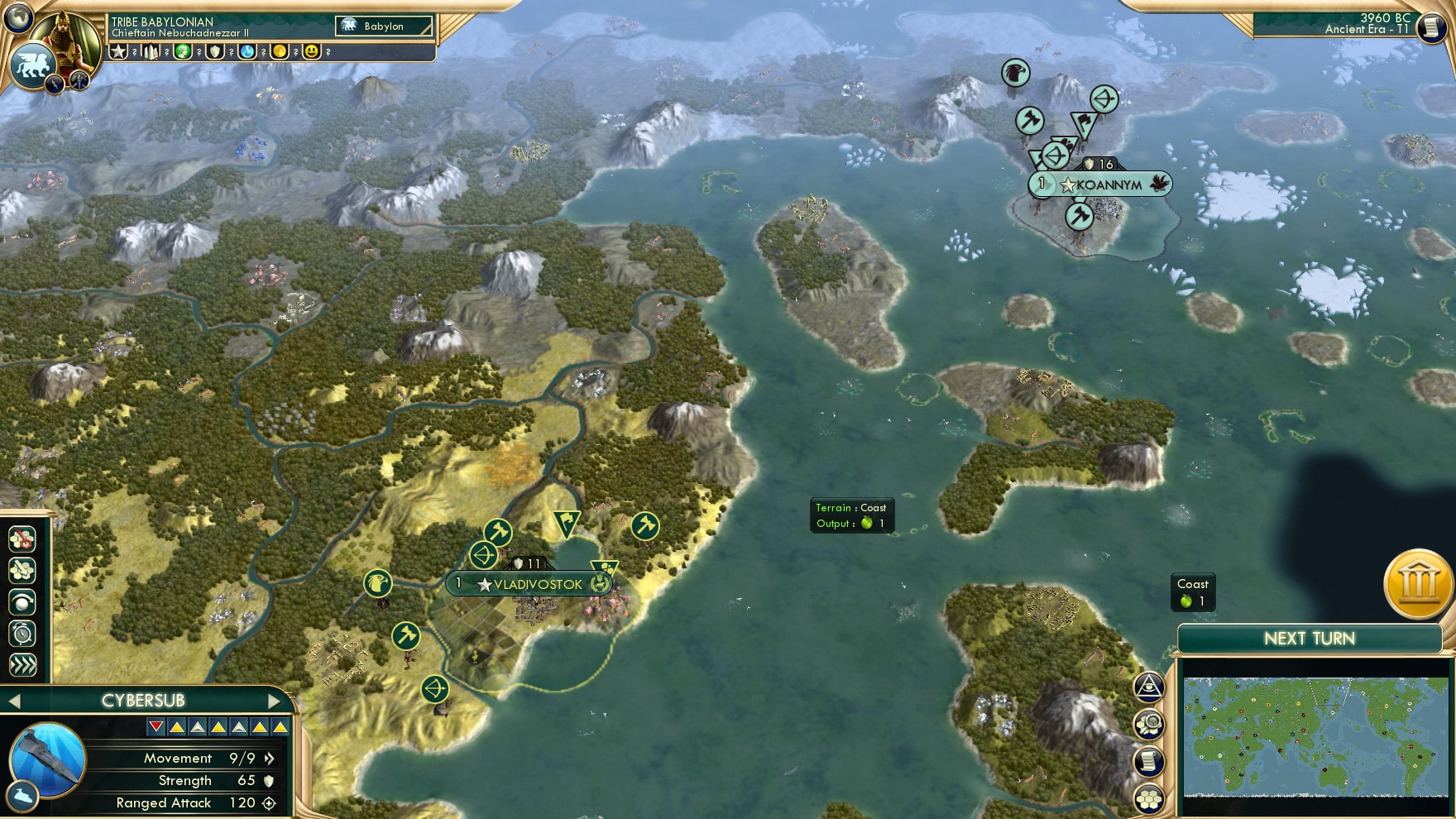
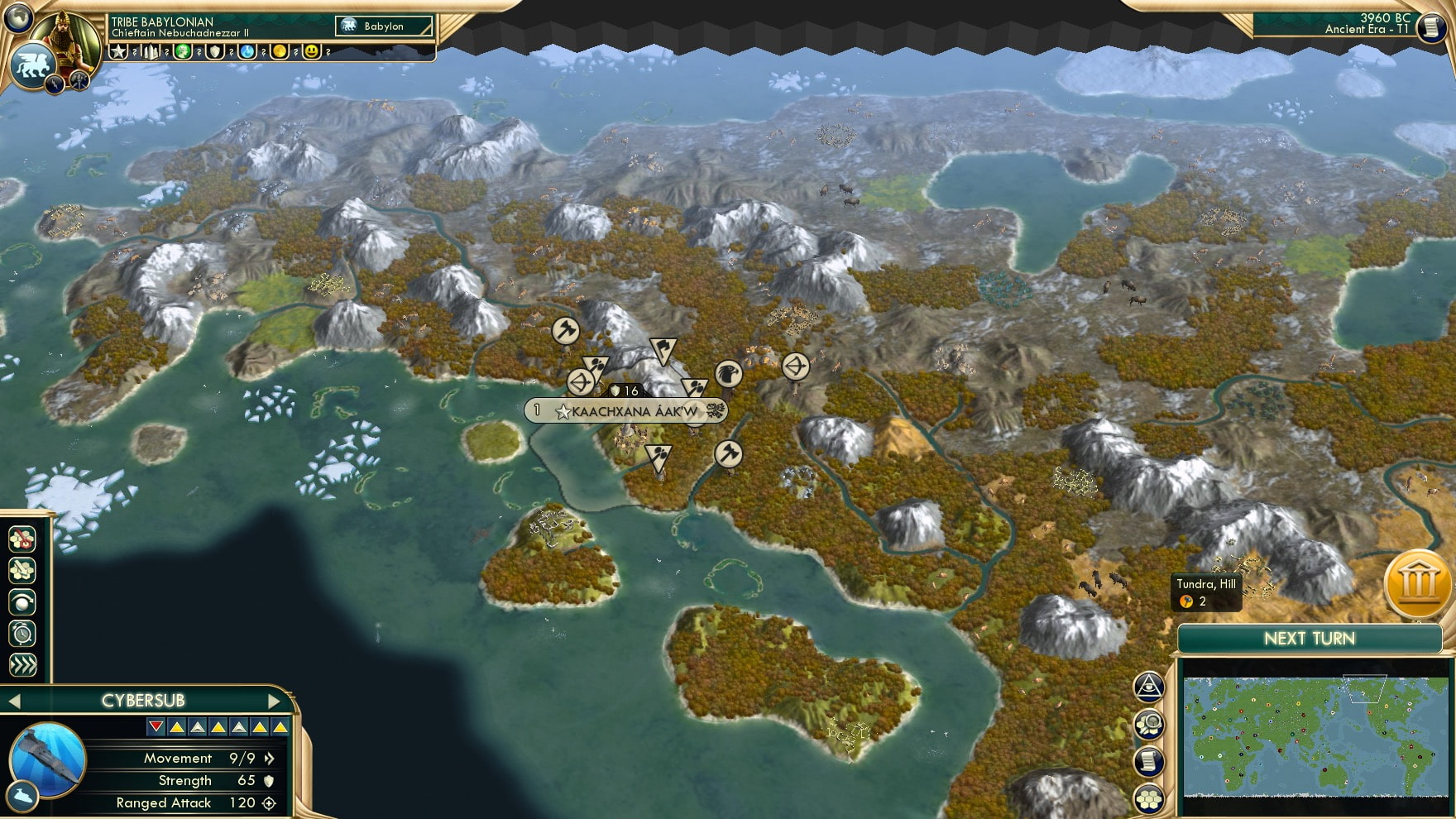
Further east is Green Ukraine led by Yurii Hlushko. Ukraine… but make it Pacific. Hlushko leads this Far East diaspora republic from the taiga-and-coast corner where distance is armor and neighbors are a problem eventually. Expect a “build first, fight later” game as Green Ukraine typically goes on insane land grabs and prays the steppe hordes don’t come knocking. On the face of it, Green Ukraine is the classic corner wildcard, favored from the start to be on the assured road to success, but anything can happen!

Rounding out the mainland is Itelmen led by Harchin. Kamchatka’s edge-of-the-map gremlin civ is another loner civ that has no worries at the start and will exist uneventfully until the mid-game. Their gameplan will be to settle the icy coastline, rack up resources, and make any invasion a logistical horror show. Sounds much like Green Ukraine’s general outline, but the Itelmen have slightly less terrain and a lower expansion bias to work with. The Itelmen will either be an unkillable speck that lasts forever or a late-game spoiler that takes advantage of their corner position to quietly build-up and surprise a distracted neighbor.

CBR In-Game Screenshot of 25

25

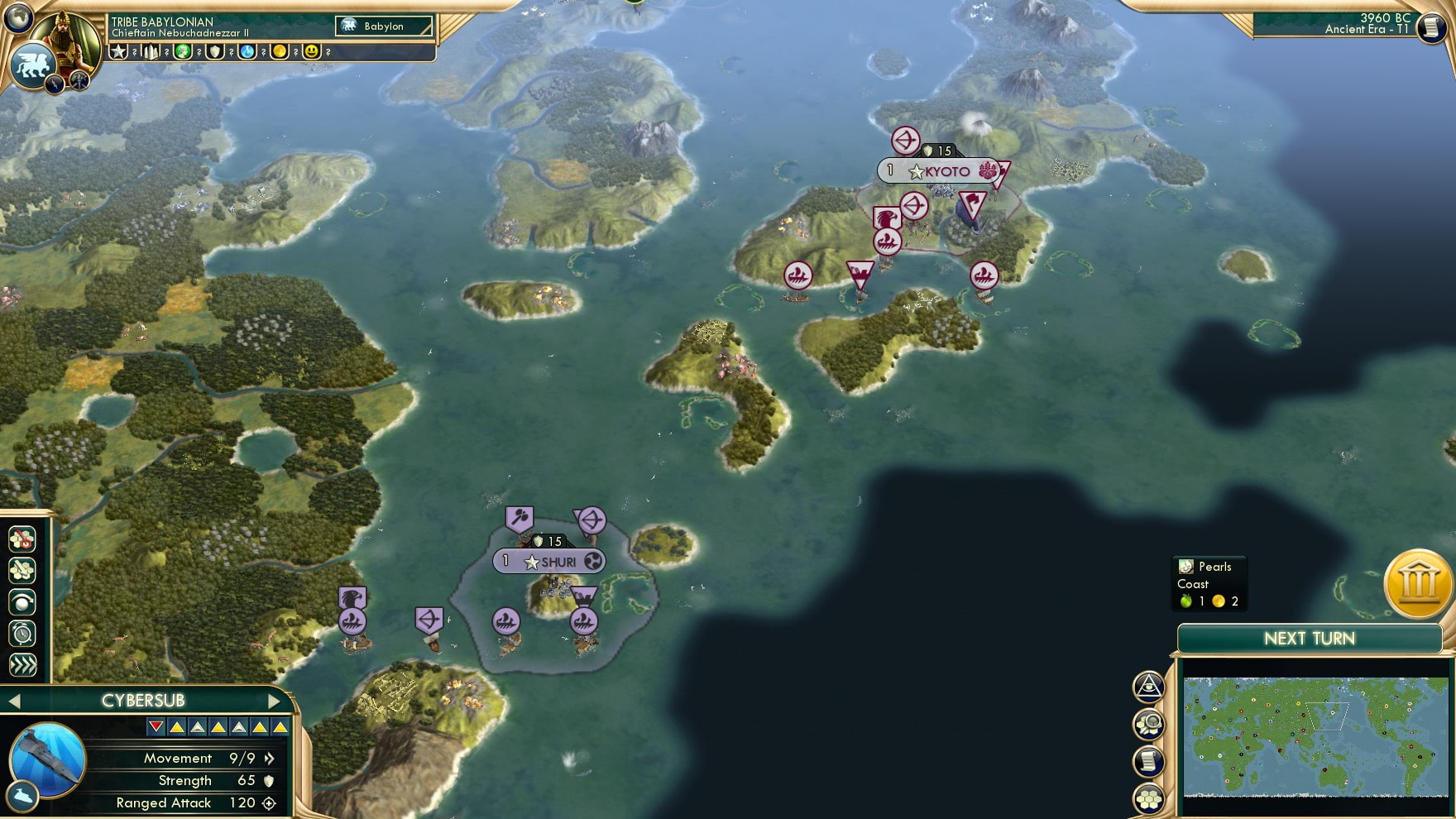
Moving south are our two Japanese civs, starting with Ryukyu led by Shō Shin. The island kingdom brings a trade-first and science-heavy approach to the game. Coupled with perfect chokepoint positioning, the power to control sea lanes between Japan, China, and Southeast Asia can be the path to success for Ryukyu if they cannot establish a lasting foothold on the mainland. But while pouncing on weakened coasts is always entertaining, it’s a tough uphill challenge for them, thus resulting in a low starting speculative rank for them.

Casting a shadow over Ryukyu is Japan led by Toyotomi Hideyoshi. The second great unifier comes in with “islands aren’t enough” energy as Hideyoshi shows up ready to quickly do what he really wanted to historically: go overseas. Testing shows that Japan will be a tempo civ, which if they secure a mainland presence cleanly, can snowball into a terrifying amphibious menace. Success is not guaranteed, though, despite being billed as the most aggressive Japan in a CBR yet.

CBR In-Game Screenshot of 26

26

Onto insular Southeast Asia we have Lanfang led by Luo Fangbo. The centrally positioned civ is a Hakka miners’ kongsi republic in West Borneo that ran on elections, cooperatives, and anti-colonial spite for over a century. Luo Fangbo’s game plan is simple, turn the jungles into a gold-printing machine, then reinvest profits into one of the scariest civs known to civ 5 modding. Judging by past True Start Location games, if you let Lanfang breathe, they’ll quickly carpet the surroundings and emerge as a top-tier contender before any of their neighbors has a chance to stop them.

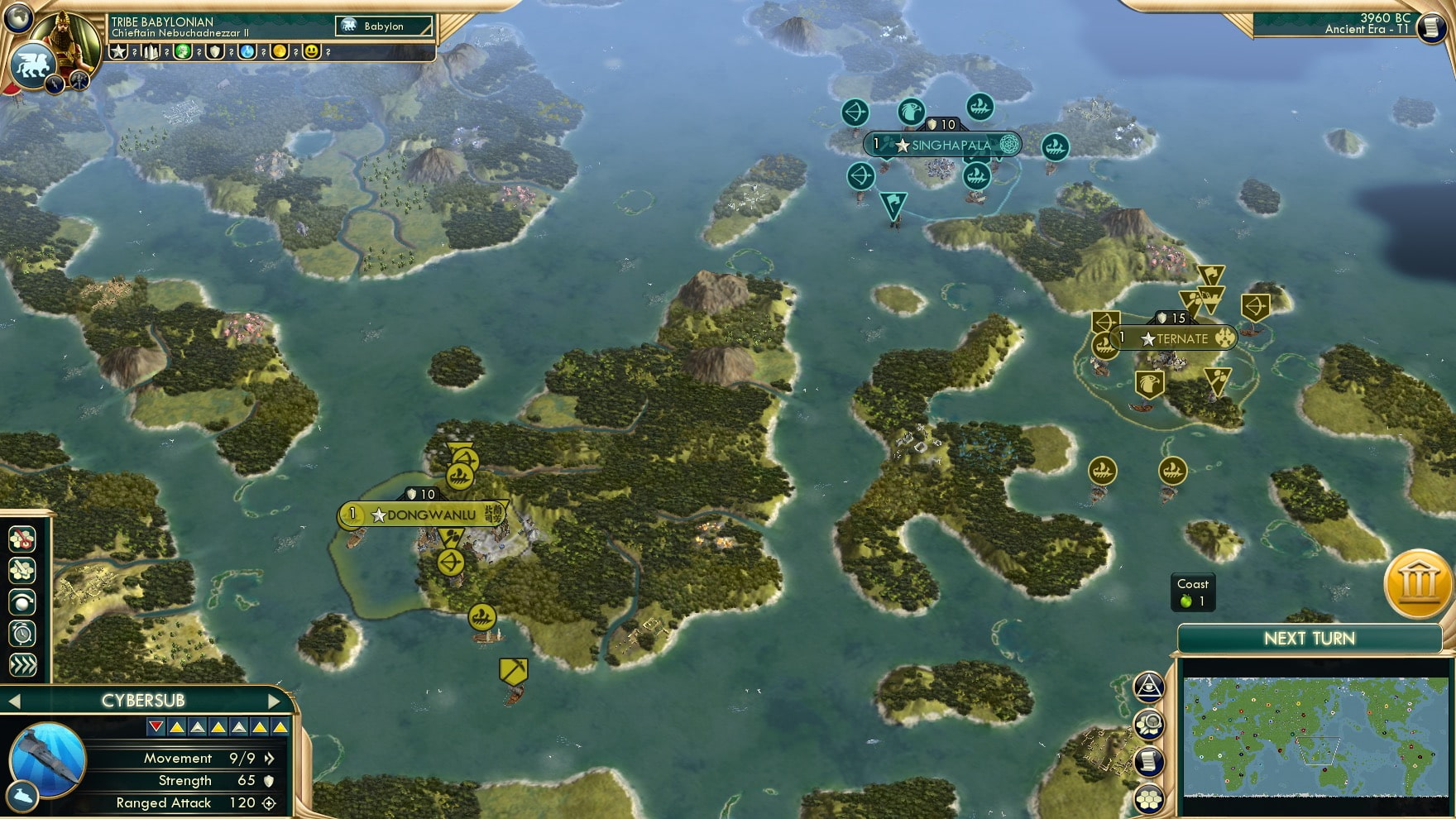
Having to face this juggernaut is Cebu led by Humabon. The Visayan king who smiles, trades, and somehow always ends up on the winning side has a big task ahead of him. Cebu is an island-network civ built for early safety, fast growth, and annoying naval reach; this would be perfect for “nice neighbor” diplomacy but this roster has sandwiched them between three island aggressors. Cebu’s plan is the classic “stay silent, stay alive”, and then hope to cash in on everyone else’s chaos (if their own self-pillaging antics don’t cause too much chaos at home).

Lastly is Ternate, led by Babullah. Led by a Sultan with a fabulous hat, they are one of the fabled Spice Islands. Ternate hopes to come spicing straight out of Maluku with cloves in one hand and forced conversion in the other. Past Royales show island civs either turtle or surprise; Ternate aims for the latter (having been ranked last despite recent evidence on the contrary for their region’s representative). They might not conquer the world, but have the room to be a sizable obstacle for any other regional power.

CBR In-Game Screenshot of 27

27

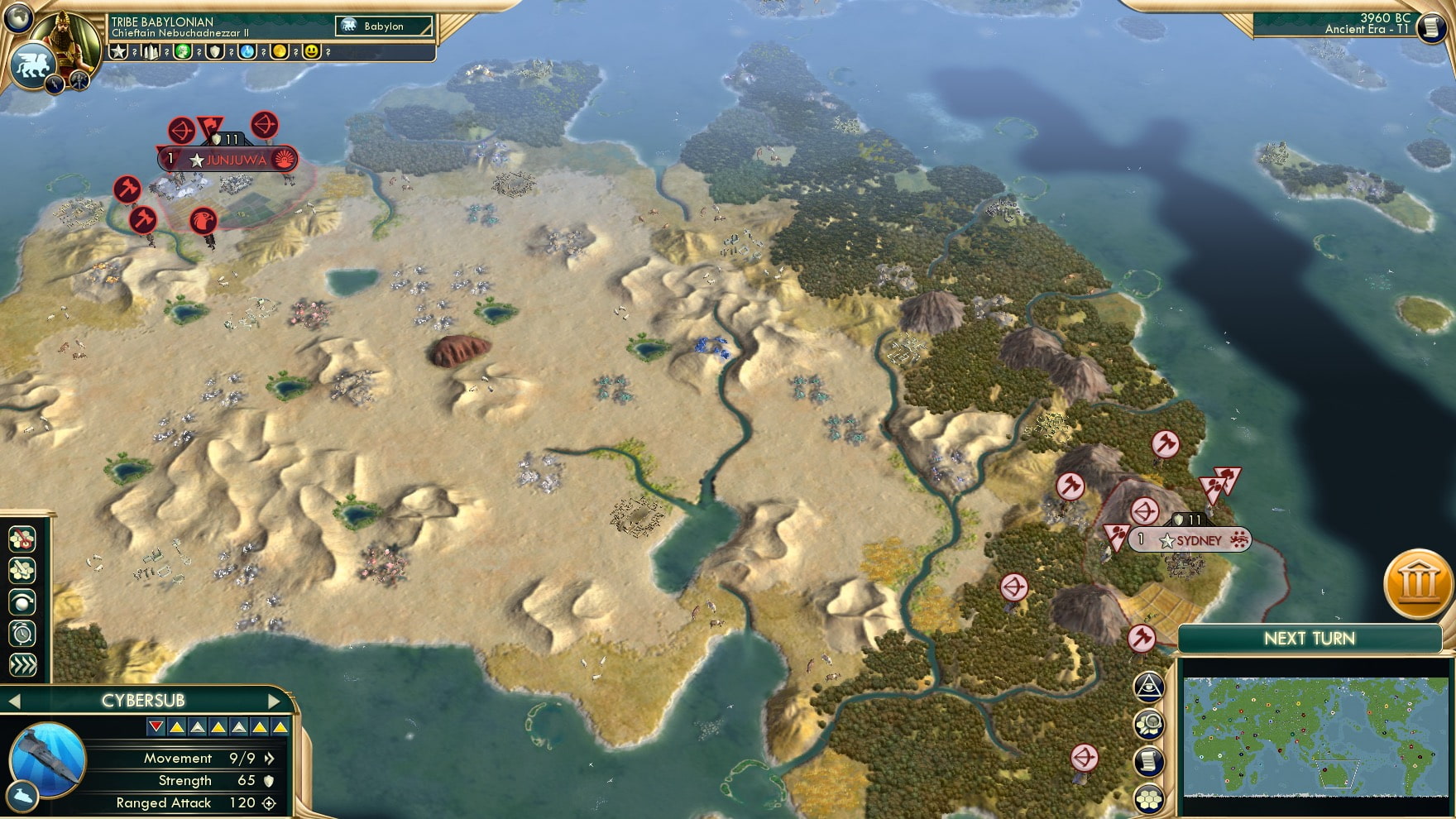
In Australia we first have Bunuba led by Jandamarra. Australia’s guerrilla legend returns for another go at glory a decade on since last in the competition. Jandamarra thrives on warfare and making any would-be invader bleed for every tile as all of their uniques are specialized for combat. Expect more than just sudden raids out of the bush and a talent for turning the Outback into a nightmare for any civ. There is of course only one civ that Bunuba needs to prep well against, and that is its island neighbor New South Wales led by John Macarthur.

Ah, New South Wales, essentially Australia’s rebellious sibling. This civ represents the 1808 Rum Rebellion era Aussies, a penal colony gone mutinous. They arrive hot and ready for the prime time, sporting a flashy color scheme, and a goal to not be a “Fortress Australia” snore-fest as they’ve been handed the easiest free pass any civ has gotten in the past courtesy of the voters’ desire for “wacky one tile islander” being higher than “ez win settler Australia.” At least they have been voted the least loved civ. Another silver lining, though, was that in testing they do well, but surprisingly not all too well, often creating a neat dynamic with all of their neighbors.

CBR In-Game Screenshot of 28

28

Moving onto the Americas, first up is Tlingit led by Sheiyksh I. Hailing from the Pacific Northwest, the Tlingit are here to claim Alaska and western Canada with totem poles held high. After a now notorious color mix-up (blame our imaginary QA department!), these seafaring warriors plan to dominate the Alaska coast and fill the very generous open space that the voting results have left them. They have a long, long history in AI games (a certified modding classic), and fans are happy to see them finally able to get their due.

CBR In-Game Screenshot of 29

29

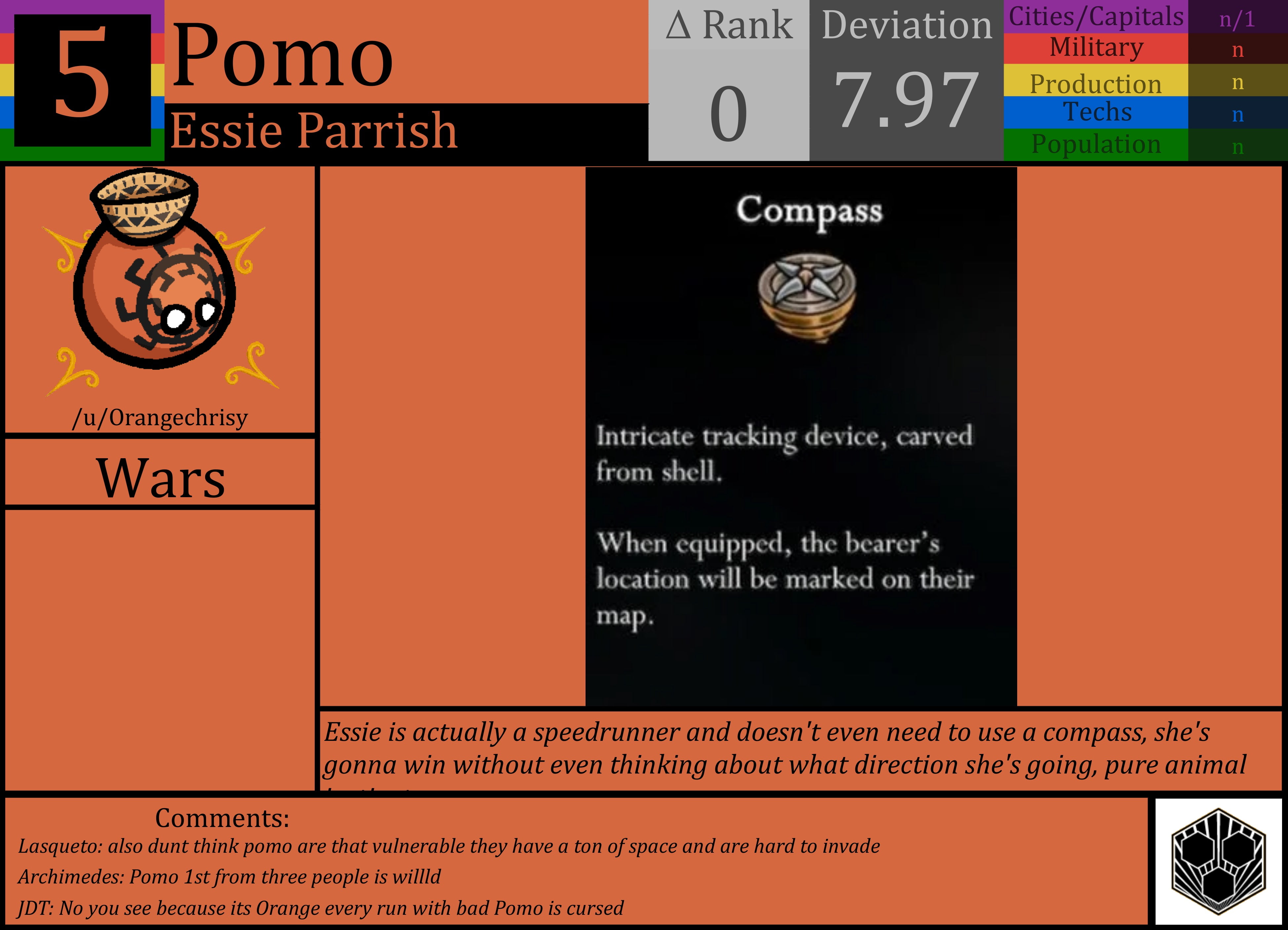
In contrast is shiny new Pomo led by Essie Parrish. Representing one California’s largest indigenous peoples, the Pomo are a small civ with big dreams (and probably bigger baskets). They may lack the gold of a 49er or the tech of Silicon Valley, but the Pomo bring intimate knowledge of the land and all of its cardinal directions. In fact, the Pomo are a fun civ to keep track of, as each of their actions has some bonus attached depending on the literal direction they take (which will surely be the entire coastline). Oh, also, a reminder that as my civ in the roster this season, not supporting Pomo is treason [Lacs’ note: go Bactria].

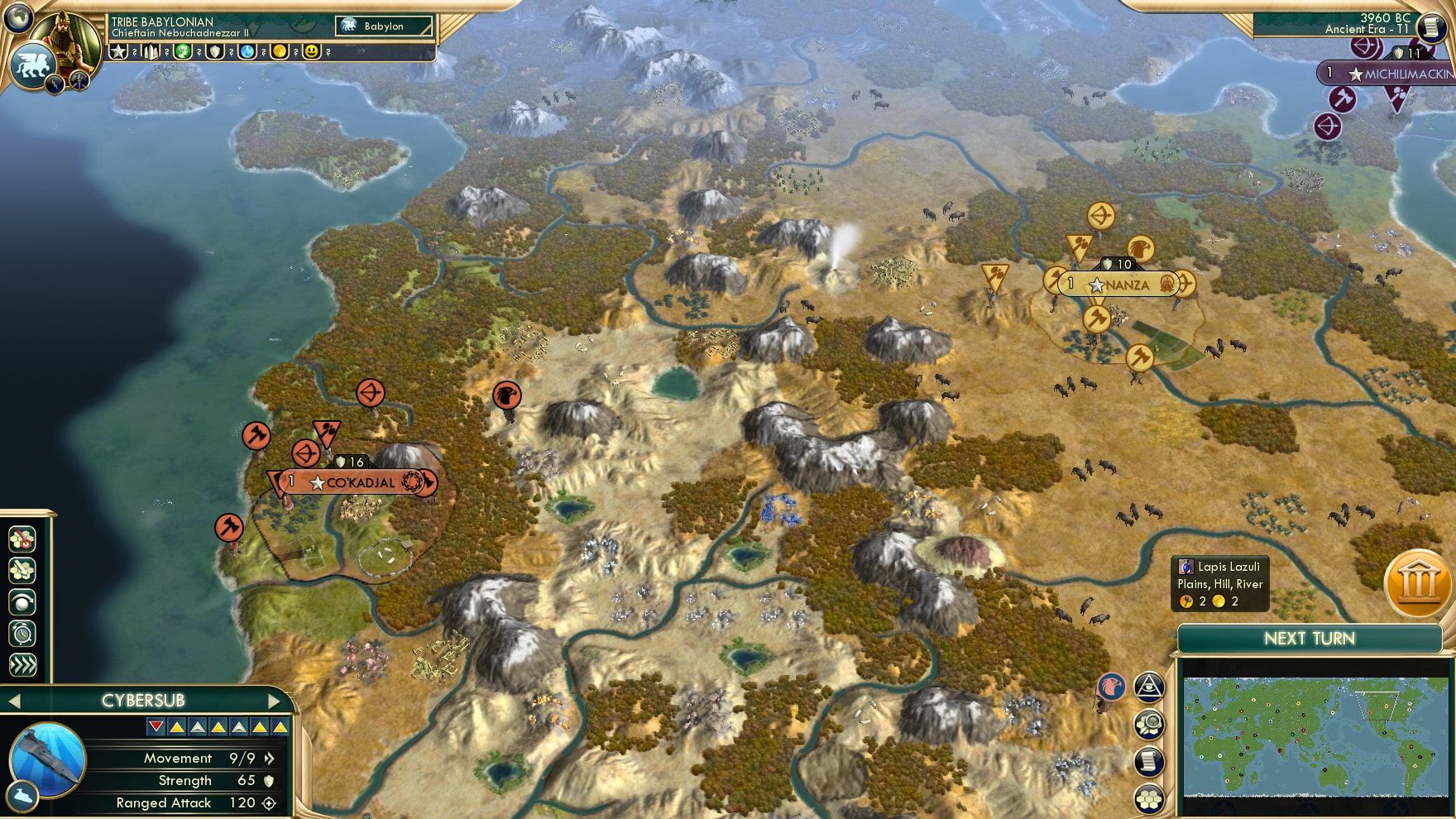
Opposite of the Rockies is Ponca led by White Eagle. A plains civ with backbone and a grudge against being pushed around, White Eagle leads the Ponca aiming for fast expansion across open land (and even the middle of another civ’s territory). They are perfectly positioned to punish anyone who thinks the Great Plains are free real estate so expect steady growth, sharp counterattacks, and opportunistic strikes. In practice, Ponca is the kind of civ that can look unassuming early… then suddenly controls far too many cities and becomes a choke point for half the continent. Their only weakness is the double-edged sword that the open terrain offers for rapid deployment.

CBR In-Game Screenshot of 30

30

In the meeting point of three great lakes are the Anishinaabe led by Pontiac. The Anishinaabe will thrive around the Great Lakes due to excellent starting positioning and little worry of early assessment. Expect sturdy growth from their comfy waterlogged core until they can become the regional bouncer. The ranking team seems to think they might not get the chance, but past seasons show that this quiet location is a great springboard once the mid-game comes around.

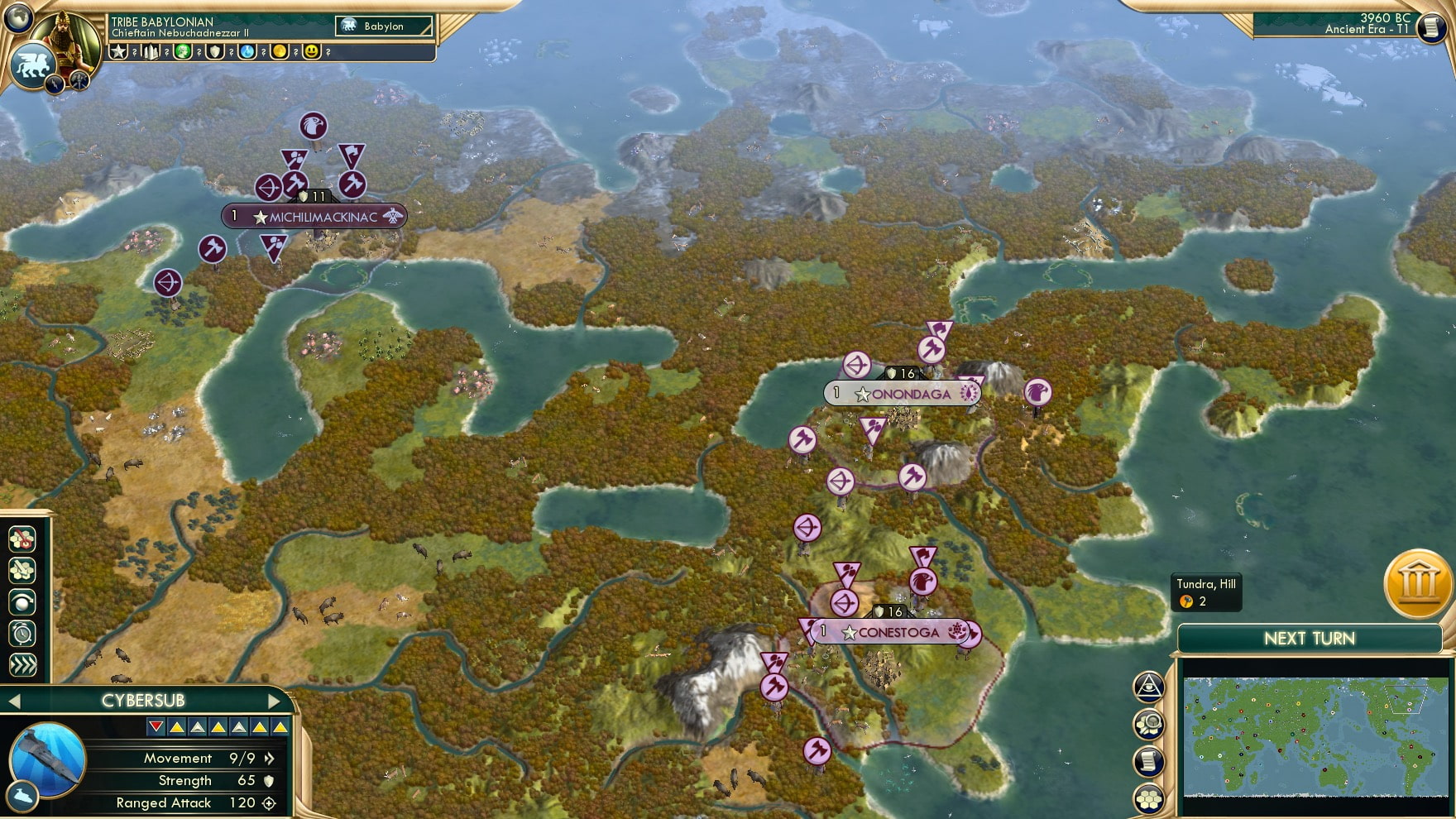
At the outer edge of the Great Lakes is Onondaga led by Tadodaho. The Keepers of the Council Fire arrive with authority, patience, and the quiet confidence of a nation used to making warfaring alliances work. In fact, Tadodaho will build quite the diplomatic center that can turn far-off or inconsequential wars into useful bonuses to further bolster their military might. So expect the usual throwaway war declarations to all be the cause for excitement for Onondaga fans.

Below is the mysterious Susquehannock led by Old Sheehays. Mysterious because as of the time of this writing Susquehannock remains an unreleased civ with essentially only our test games to go by for performance. Old Sheehays leads a people famous for tall stature, fortified towns, and trading muskets as readily as they traded furs. These river valley bruisers have a knack for making things tough for the neighbors given they have combat focused uniques, but don’t have the stellar output you would imagine from them not having immediate southern competition, so they come into the game as a wildcard enigma.

CBR In-Game Screenshot of 31

31

Moving south we first have the Karankawa led by Joseph Maria. This Gulf Coast state turns wetlands into express lanes and battles into beachfront bonanzas. Their UA means rivers, marsh, and floodplains are their home-field advantage and military victories that can spawn their unique Oysters or Holly resources. In fact, they may litter the continent with their unique resources, which grant them bonuses that turn them into a golden-age engine that also turns the map into a minefield.

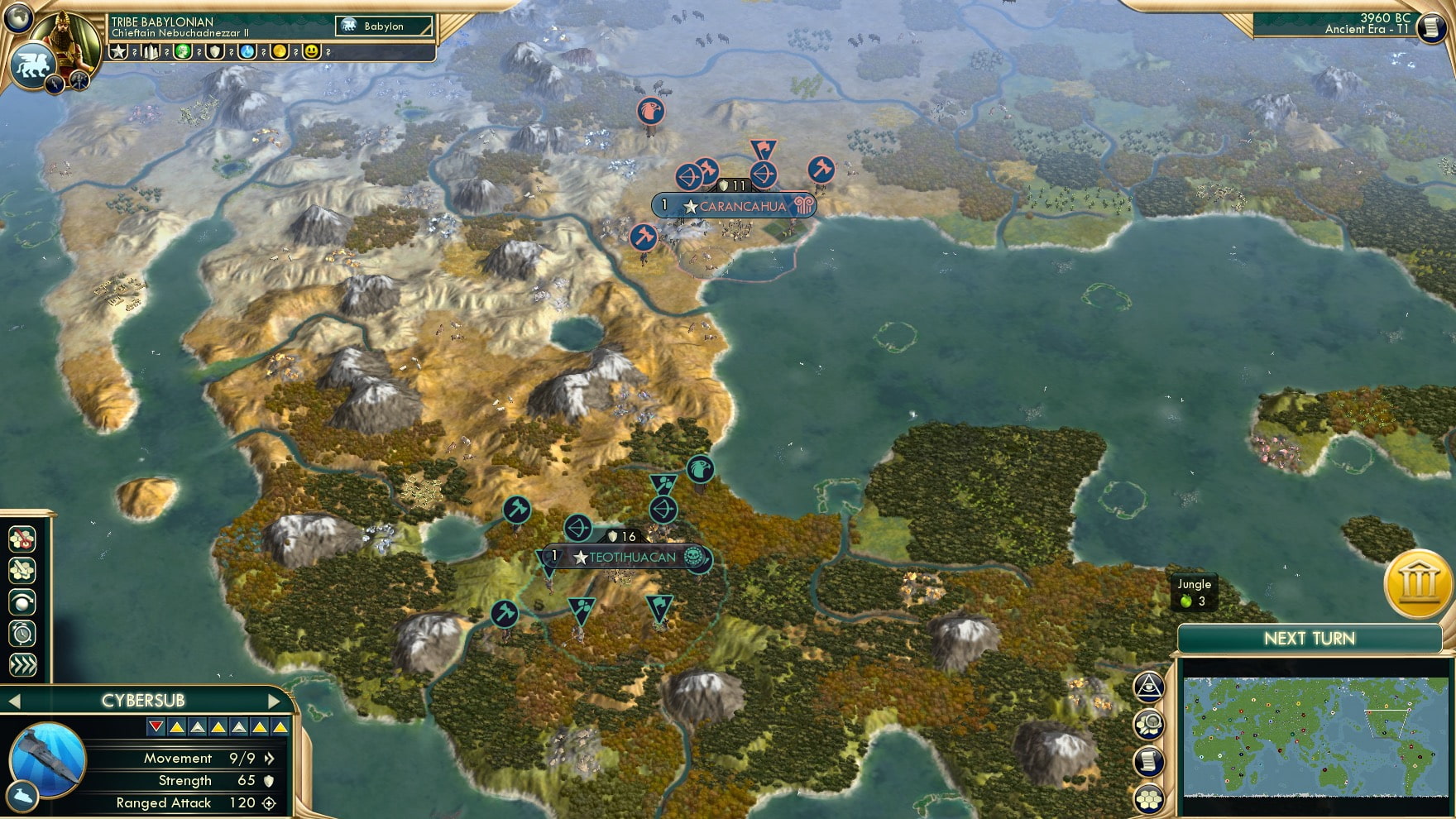
Below is Teotihuacan led by Spearthrower Owl. The ancient city-state of Teotihuacan materializes in central Mexico, pyramids and all. These ancient builders might play tall at first (with a high Wonder bias hogging up their hammers) but have the aggressive uniques that can roll over anyone if they get the conquest snowball going. They could become the Mesoamerican superpower we’ve long been waiting for, and an early high ranking has most analysts in agreement that it might finally be the case.

CBR In-Game Screenshot of 32

32

In the Caribbean is Xaragua led by Anacaona. Anacaona is a girlboss that runs Xaragua like a court that wins wars with festivals, not fear. Their whole rhythm is cultural momentum, with Great People that don’t just make art, they spark citywide celebrations to scale with big, happy cities, and every milestone (beliefs, policies, population) feeds a growing “Tekina” engine that rewards staying spiritually and civically on the front foot. Ignored too long and they could be a strong regional power, though the history of this region is a large shadow over those plans.

Down on the continent are the Yanomami led by Davi Kopenawa. A rainforest civ that doesn’t tame the jungle and instead lets it do the work. Under IRL still-living leader Davi Kopenawa, jungles become a living foundation for spiritual power early, and Natural Wonders aren’t just pretty backdrops for their cities as settling near them turns into a cultural amplifier and a serious food boost that lets jungle cities scale harder than they look on paper (too bad there are few of them for the Yanomami to quickly reach). Outside of that, the Yanomami have a safe inland core so at the very least look to be a constant presence for a long time this season.

CBR In-Game Screenshot of 33

33

Deep in the Amazon are the Xavante led by Apoena. The Xavante, fierce indigenous people of Brazil’s interior, historically resisted incursions well into the 20th century but this mod is all about their impressive tourism uniques. Apoena’s Xavante play like a culture-forward raiding party that turns other peoples’ fame into fuel. If the cylinder is dazzling with tourism, the Xavante starts racking up the musical momentum to answer back with an engine that pushes them into longer, stronger golden streaks. That is to say, unlike other civs from their region, they are not benefiting from either terrain bonuses nor military ones with their big payoff coming into the late-game, so this might be the most hopeless civ in the roster, and may quickly take the last rank and hold it up until their demise.

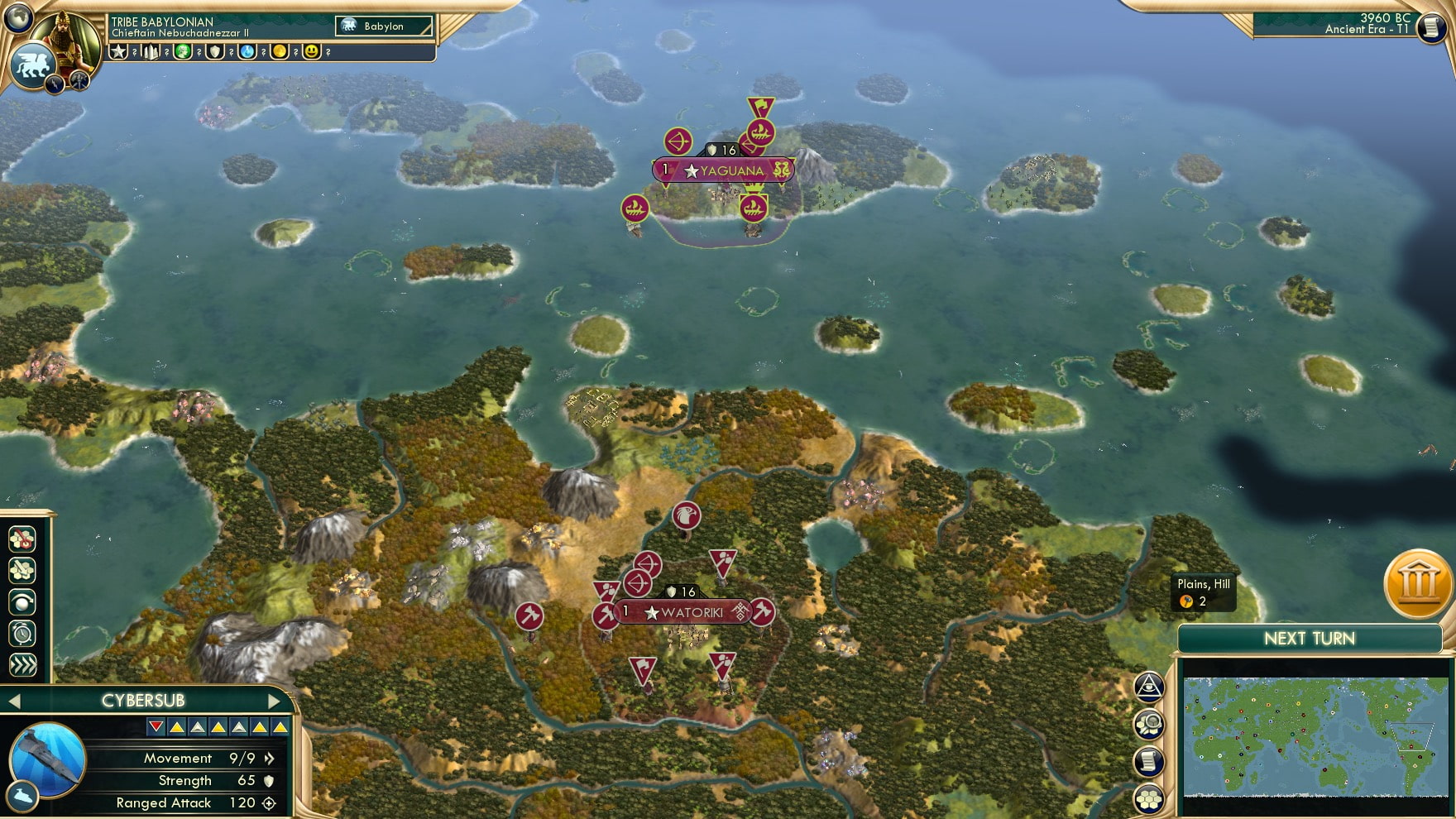
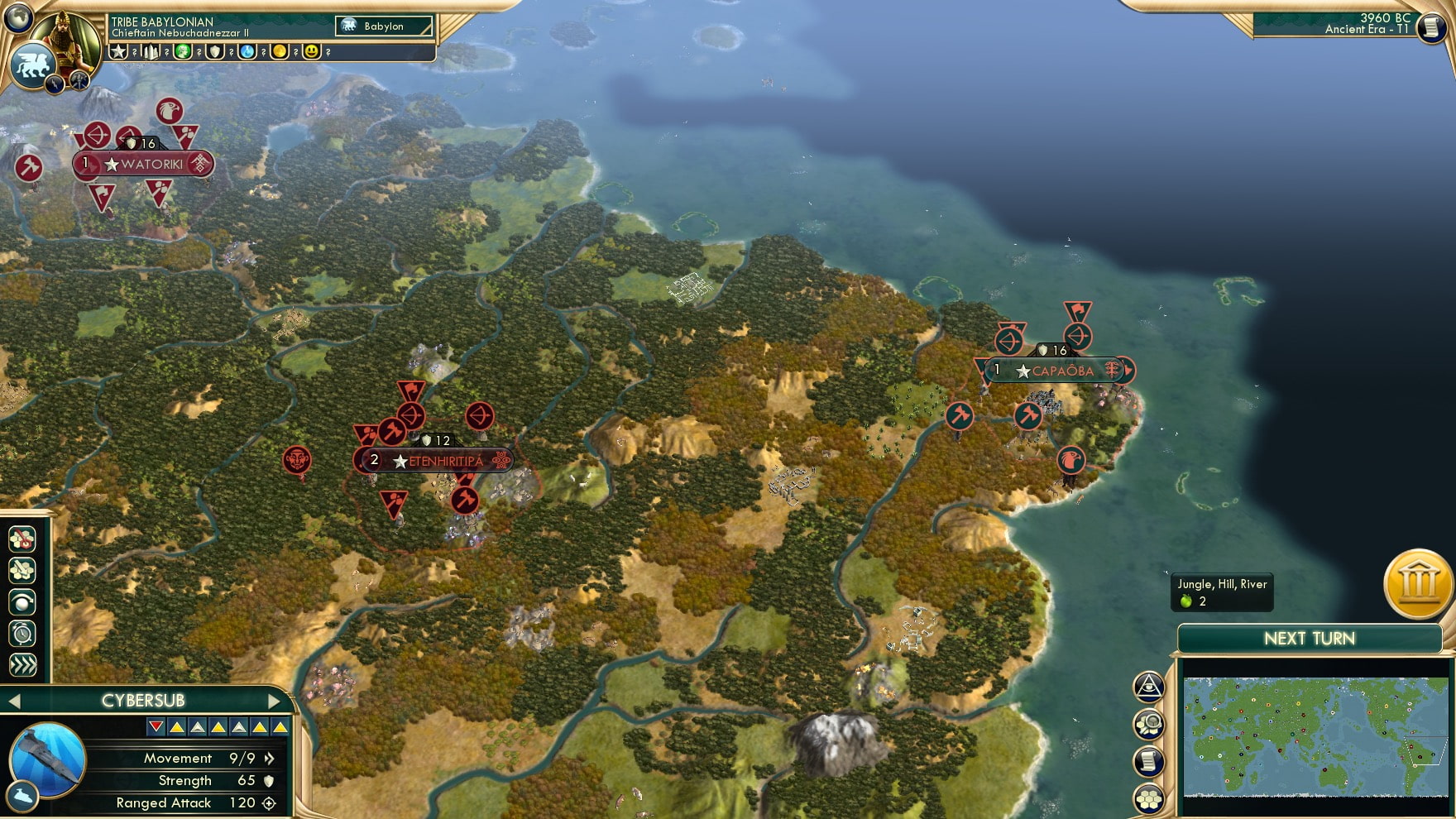
On the coast are the Potiguara led by Felipe Camarão. Felipe Camarão turns the rainforest into a surveillance state and a recruitment poster. On the battlefield, they love coastlines and close quarters, fielding troops that move through water and fresh-water settlements that pump out units when coordinating wars with friends who hate the same enemies. The shrimp bois are not well-known, but might be a fan favorite soon enough despite the region already being known for heavy hitters.

CBR In-Game Screenshot of 34

34

Starting on the edge of Polynesia is Rapa Nui led by Hotu Matu'a. A tiny island civ, that’s more of an SA civ despite being voted for Oceania, turns population growth into spiritual momentum, then cashes that momentum into an accelerating cultural engine. Hotu Matu’a loves coastlines and especially rugged shores, so if they settle the right crags they might be occasionally kicking off citywide celebrations while juicing cultural output in big bursts. The real trick is how they stack value by placing their coastal monuments in tight clusters, which all the tiny islands don’t leave much room for. But this is the CBR, where small islands can still win big, so they just might, one statue at a time.

In the Andes is Caral led by Capac. Ancient Peru’s cradle of civilization, also known as Norte Chico, is a quiet logistics monster. Caral doesn’t win by flashy conquest, it wins by building a coastal engine that quietly feeds the entire inland through trade routes that turn shoreline abundance into empire-wide yields. Their early development is unusually flexible too, with the same hands that work the land able to slip into the water without slowing down, letting them improve coasts fast and get value from the sea before most civs are even thinking about it.

Then over in Patagonia are the Guaycuru led by Eso. The Guaycuru play like a roaming war economy with conquest and camp-clearing not only expanding their borders, but they map the future by sniffing out the resources that matter. Once those resources start coming online, the army gets terrifyingly mobile. Their early cavalry push thrives on momentum to win a fight and suddenly nearby allies are ready to surge again, turning skirmishes into rolling breakthroughs. Testing and past performances indicate this general plan will be on full display, so Guaycuru can be the most entertaining guay we’ve ever had.

CBR In-Game Screenshot of 35

35

Finally, last but not least, are the Chono led by Martin Olleta. The Chono get paid for what they don’t use, stockpiling strategic goods that quietly become steady income, then spike hard the moment new peoples appear on the horizon, instantly exposing where their forces are and rewarding them for every river and lake they already control. Their unique composite bowmen fight like demons, making nearby enemies lose momentum and competence, so they could get the crucial early momentum to escape the CBR prison that is the Southern Cone. Really, if it was not for Guaycuru being the civ voted in above them, they would be in the initial top ten, not just right outside it, and probably safely remain there all game long.

This has been your show host Coiot (and Lacs editing!), rushing to finish narrating a surprise Episode 0 in light of not being able to release the first episode today. We currently have about 35 episodes worth of content recorded (by Lacs’ current judgment at this time) so it will not be too long until we reach the ultra-late game and start to wind down for our eventual final contestants. Last season we reached a finale without a game refresh or remake, so we’re expecting much the same this time around as well.

One last thing before signing off: if you’re a long-time reader, but never a poster, please leave a comment on this episode (and the next!), and be on the lookout for our announcement posts on r/civ (which we will crosspost / let you know when it is out). The comments really do broadcast the show out and send reminder emails for past readers which may have not been keeping up with the latest seasons. And if you really like writing more than just the occasional comment, it’s always a good time to narrate your first episode and leave your mark on the show. Be sure to sign-up on the sub when the narrations posts come up every other month, or ping me on Discord to ask about narrating. See everyone around for the next episode!

Supporter Comments

Supporters can leave one comment within a week of release.

Sign in to leave a comment.

No comments yet.